
Australia Canola Output to Drop as Farmers Shift to Barley Amid Rising Costs
Introduction
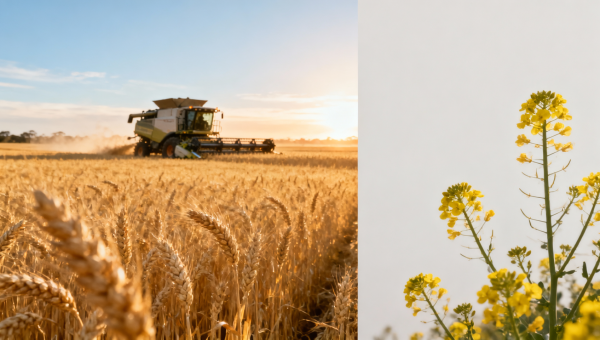
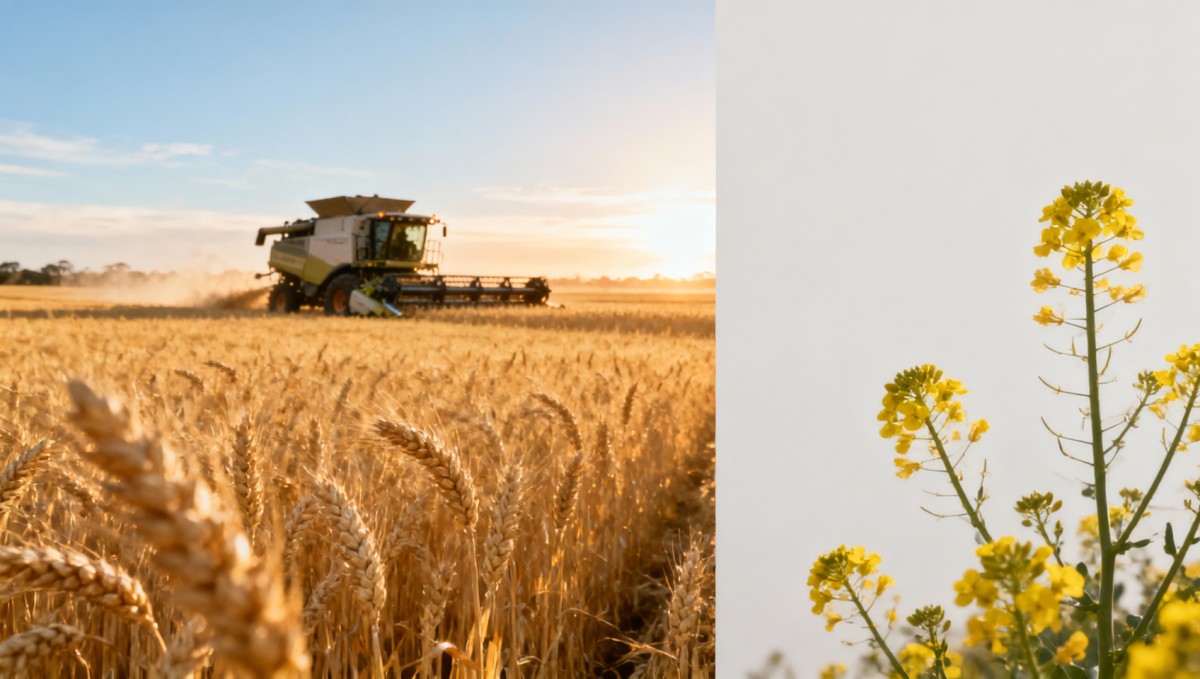
Recent geopolitical tensions in the Middle East have driven up fertilizer and fuel costs in Australia, prompting farmers to reduce canola planting in favor of barley. This shift could tighten global canola supply by 2026, impacting oilseed crushers and vegetable oil exporters reliant on Australian canola. The situation warrants close monitoring by agricultural traders, food manufacturers, and biofuel producers.
Event Overview
Australian farmers are pivoting from canola to barley cultivation due to a 60% surge in urea prices and 88% higher diesel costs linked to Middle East conflicts. Industry projections indicate this may reduce Australia's canola output through 2026, exacerbating existing shortages of low-erucic acid rapeseed (LEAR) globally.
Impacted Sectors
1. Oilseed Crushers
Chinese processors requiring canola with <0.5% erucic acid face procurement challenges. Australia currently supplies ~18% of global LEAR exports.
2. Vegetable Oil Exporters
Brands marketing canola oil to EU/US markets may encounter raw material shortages and price volatility.
3. Agricultural Input Suppliers
Fertilizer and farm equipment dealers must adjust inventory strategies as barley requires 20-30% less nitrogen than canola.
Key Considerations for Businesses
Monitor Supply Chain Alternatives
Explore Canadian/Ukrainian canola imports, though shipping costs and GMO regulations differ.
Diversify Oil Blends
Food manufacturers could consider sunflower/safflower oil blends to offset potential canola shortages.
Track Biofuel Policies
EU renewable energy directives may adjust canola usage quotas if supply tightens further.
Industry Perspective
From an operational standpoint, this signals a structural shift rather than temporary fluctuation. The canola-to-barley transition reflects deeper recalibration of input-cost economics. Market participants should:
- Verify actual planted acreage through March 2024 crop reports
- Assess contract farming opportunities in Canada/Ukraine
- Review force majeure clauses in existing supply agreements
Conclusion
While Australia's production shift won't immediately disrupt markets, it compounds existing pressures in the global oilseeds complex. Stakeholders should treat this as an early warning to strengthen supply chain resilience, particularly for non-GMO canola supplies.
Sources
• Australian Oilseeds Federation crop estimates
• Global Trade Atlas export data
• UN Comtrade fertilizer price indices
*Note: Actual 2024 planting data pending March agricultural surveys
Related Intelligence
- AgrochemicalsEU REACH Adds 5 New SVHCs, Including Agrochem Intermediates & Natural Preservative PrecursorsEU REACH adds 5 new SVHCs including agrochemical intermediates & natural preservative precursors. Learn how this impacts exporters of botanical products & organic pesticides. Act now to avoid EU market risks.
- AgrochemicalsEU REACH Adds 5 New SVHCs, Including Pharma & Agrochem IntermediatesEU REACH adds 5 new SVHCs including key agrochemical & pharma intermediates. Learn how 2-chloro-5-methylpyridine and DMAC regulations impact your supply chain before Oct 2026 compliance deadline.
- AgrochemicalsU.S. Soybean Exports to China Plunge 48.5%, China Shifts to Brazil/ArgentinaU.S. soybean exports to China plummet 48.5% as China shifts to Brazil/Argentina sources. Discover how this trade realignment impacts global markets and key industries. Learn strategic adaptation tips for businesses.
The Morning Broadsheet
Daily chemical briefings, market shifts, and peer-reviewed summaries delivered to your terminal.
