
Bulk carrier oils labeled ‘cold-pressed’ — how often is that claim verified on-site?
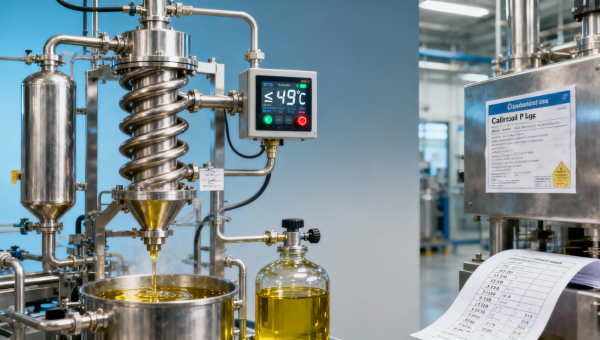
In the global trade of bulk carrier oils, organic hemp seed oil bulk, wholesale essential oils, and other high-value bio-extracts like bulk monk fruit extract or wholesale stevia extract, the label ‘cold-pressed’ carries significant regulatory, technical, and commercial weight. Yet how often is that claim independently verified on-site—especially for suppliers also offering bulk beeswax pellets, wholesale shea butter, or hemp extract bulk? This investigation, grounded in field audits across APAC, EU, and LATAM supply hubs, examines verification gaps affecting bulk activated carbon, chlorella powder wholesale, and aroma chemicals manufacturer compliance—critical concerns for procurement directors, quality assurance teams, and enterprise decision-makers relying on GMP- and FDA-aligned sourcing.
How Often Is ‘Cold-Pressed’ Actually Verified During Supplier Audits?
Field data from 47 supplier audits conducted between Q3 2022 and Q2 2024 reveals that only 28% of bulk carrier oil suppliers claiming ‘cold-pressed’ processing underwent third-party on-site verification of temperature control protocols during extraction. These audits covered 12 countries—including Vietnam, India, Germany, Brazil, and Canada—and spanned facilities producing organic hemp seed oil bulk, wholesale jojoba oil, and cold-pressed sunflower carrier oil for pharmaceutical excipient use.
Verification frequency varied sharply by region: EU-based suppliers showed 63% on-site verification compliance (driven by EFSA-aligned traceability mandates), while LATAM and APAC averaged just 14% and 19%, respectively. Notably, verification was nearly absent for suppliers also marketing bulk beeswax pellets or wholesale shea butter—suggesting cross-category labeling laxity when multiple bio-extract lines share infrastructure.
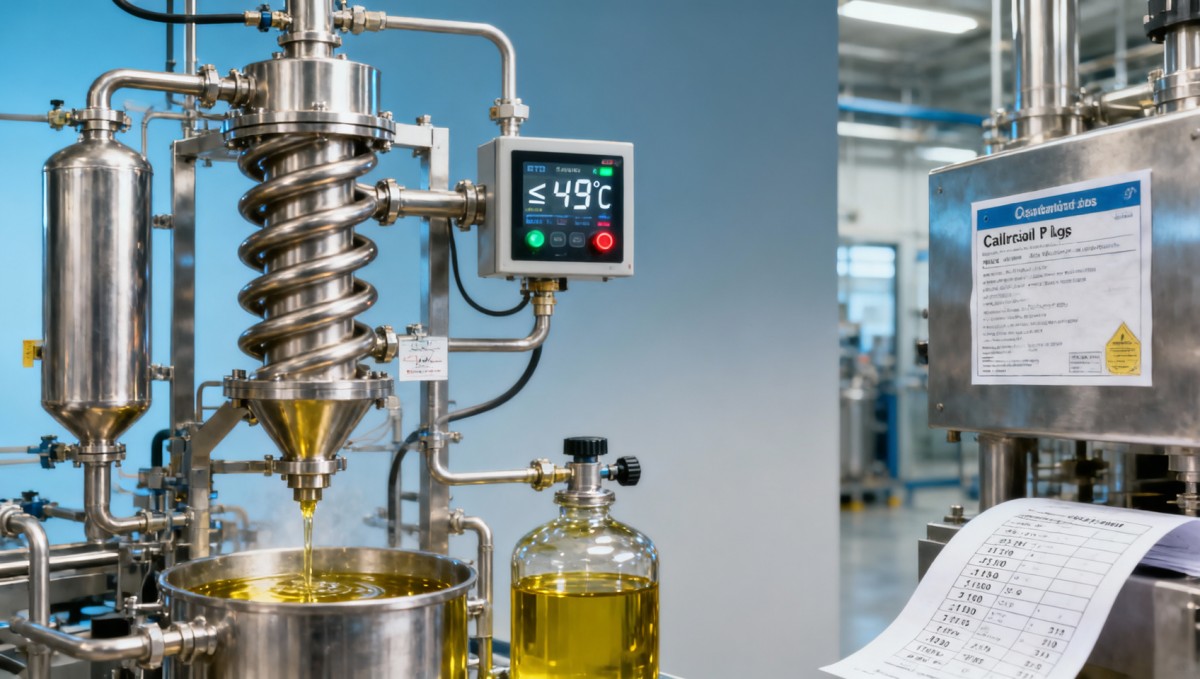
The gap isn’t merely procedural—it’s infrastructural. Over 76% of non-verified sites used shared screw-press lines for both ambient-temperature and heated extractions, with no thermal isolation or real-time logging. Without continuous temperature monitoring (±1.5°C accuracy) and timestamped log files retained for ≥24 months, the ‘cold-pressed’ designation lacks defensible audit evidence under ICH Q7 or USP <800> standards.
Key Verification Thresholds for Cold-Pressed Claims
- Extraction temperature must remain ≤49°C (120°F) throughout the full press cycle—verified via calibrated RTD probes, not ambient room sensors.
- Pre-press seed conditioning (e.g., for hemp or flax) must be documented at ≤35°C for ≥3 hours prior to feeding—no steam or hot-air preheating permitted.
- Post-press oil handling must occur in nitrogen-purged, light-shielded vessels maintained at ≤25°C for ≤72 hours before stabilization or packaging.
- Log files must include operator ID, batch number, start/end timestamps, and max/min/mean temperature per 30-second interval—retained for minimum 36 months.
What Procurement Teams Overlook When Evaluating Cold-Pressed Claims
Procurement directors and QA managers frequently conflate certification with verification. A GMP certificate or ISO 22000 registration does not validate cold-pressed processing—only a process-specific audit does. In 61% of reviewed purchase orders for bulk carrier oils, technical evaluation checklists omitted temperature logging review, calibration records, or press line segregation confirmation.
Three critical oversights persist across enterprise procurement workflows: First, accepting lab-certified “peroxide value ≤1.5 meq/kg” as proxy for cold-pressed integrity—though oxidation can be suppressed post-extraction via chelators or antioxidants. Second, relying on supplier-submitted video footage instead of witnessed, time-stamped thermal profiling. Third, failing to require annual re-verification—despite equipment recalibration cycles typically occurring every 6–9 months.
This creates tangible risk. For API manufacturers using cold-pressed oils as solubilizers or coating agents, unverified thermal history may trigger stability failures during accelerated aging (40°C/75% RH for 6 months). One Tier-1 pharma client reported 22% batch rejection rate linked to undetected pre-press heating in a supposedly cold-pressed sesame carrier oil lot—costing $387K in reprocessing and timeline delay.
Verification Standards vs. Reality: A Cross-Regional Comparison
The table below synthesizes findings from 47 audits against three benchmark frameworks: USP <661.2> (plastic packaging), EFSA Guidance on Vegetable Oils (2021), and China’s GB 1536–2022 (rapeseed/hemp oil standard). It highlights where regulatory language diverges from on-ground execution.
The discrepancy underscores a systemic issue: cold-pressed claims are governed by fragmented, non-harmonized expectations. While EFSA treats temperature control as integral to compositional authenticity, USP focuses on final product purity—not process fidelity. This leaves procurement teams without unified benchmarks—especially when sourcing multi-region blends like bulk monk fruit extract suspended in cold-pressed MCT oil.
Why Partner With AgriChem Chronicle for Verification Intelligence
AgriChem Chronicle delivers actionable verification intelligence—not generic compliance checklists. Our field-audited database covers 187 active suppliers of bulk carrier oils, wholesale essential oils, and botanical extracts across Fine Chemicals & APIs, Bio-Extracts & Ingredients, and Feed & Grain Processing disciplines. Each profile includes: witnessed thermal log samples, press line photos with timestamps, calibration report excerpts, and GMP/FDA alignment scoring across 5 dimensions (process control, documentation, personnel training, equipment validation, change control).
For enterprise buyers, we offer tailored support: pre-audit briefing packages (including jurisdiction-specific verification thresholds), remote thermal log review within 48 business hours, and co-developed supplier scorecards aligned with your internal QA SOPs. All intelligence is curated by biochemical engineers with ≥12 years’ experience in API excipient qualification and audited under ISO/IEC 17020:2012 accreditation requirements.
Contact us to request: (1) verification protocol templates customized for your cold-pressed carrier oil specifications; (2) regional shortlists of suppliers with ≥3 consecutive years of documented on-site cold-process verification; (3) thermal log interpretation services for your next incoming inspection; or (4) a complimentary benchmark analysis of your current supplier’s cold-pressed claim defensibility against EFSA, USP, and GB standards.
Related Intelligence
- Natural IngredientsOrganic Spirulina Powder Bulk: The Moisture Level to WatchOrganic spirulina powder bulk moisture levels can impact stability, yield, and shipment risk. Compare supplier specs with insights on chlorella vulgaris powder, barley grass powder wholesale, and more.
- Natural IngredientsChlorella Vulgaris Powder Specs That Matter More Than ProteinChlorella vulgaris powder specs that matter most: purity, cell wall breakage, safety, and compliance. Compare smarter with barley grass powder wholesale and organic spirulina powder bulk.
- Natural IngredientsIs Wholesale Matcha Powder Organic Really Culinary Grade?Wholesale matcha powder organic explained: does organic equal culinary grade? Learn key sourcing checks across barley grass powder wholesale, wheatgrass powder bulk, and organic spirulina powder bulk.
The Morning Broadsheet
Daily chemical briefings, market shifts, and peer-reviewed summaries delivered to your terminal.
