
Beetroot Powder Bulk: What Causes Color Loss in Storage?
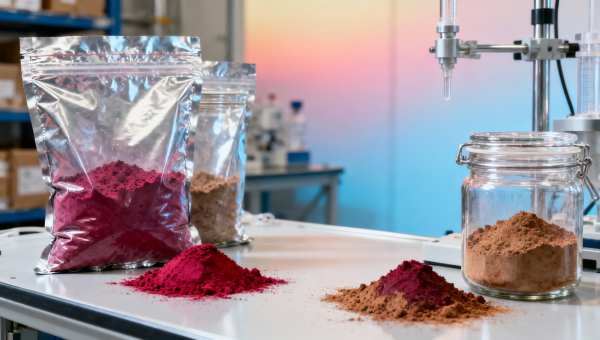
For buyers and technical teams sourcing beetroot powder bulk, color stability is more than a visual issue—it signals process quality, pigment integrity, and storage control. This article examines why beetroot powder loses its vivid red hue during storage, from oxidation and moisture uptake to light exposure and heat, helping procurement, QC, and formulation professionals make better bulk purchasing and handling decisions.
In bulk ingredient markets, beetroot powder is often evaluated first by appearance, but color loss is rarely a cosmetic issue alone. A shift from bright red-purple to dull brownish-red can indicate degradation of betalain pigments, weak packaging, excessive warehouse humidity, or mishandling somewhere between production and end use.
For procurement teams, this matters because color stability affects batch acceptance, formulation consistency, customer complaints, and even inventory turns. For operators and quality managers, it influences storage SOPs, shelf-life decisions, and packaging selection. Understanding the actual causes of discoloration is therefore essential for lowering waste and securing reliable supply.
Why Beetroot Powder Color Matters in Bulk Supply Chains
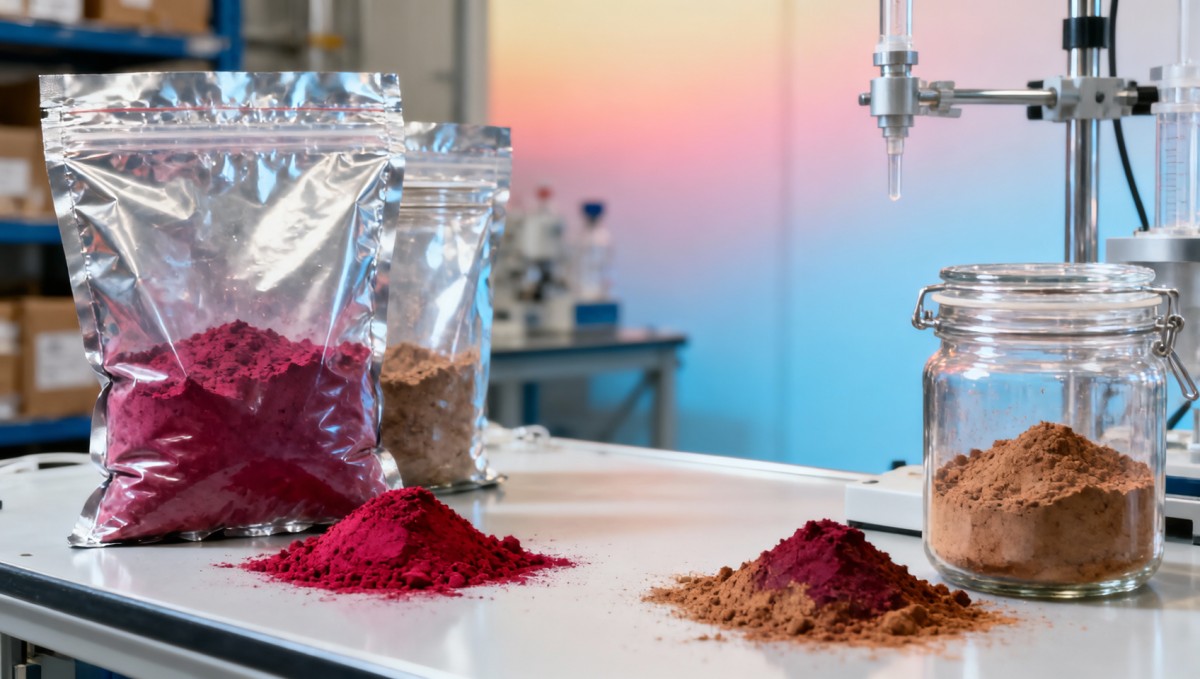
The signature red shade of beetroot powder comes mainly from betalains, especially betacyanins. These pigments are more sensitive than many buyers assume. In bulk formats such as 10 kg, 20 kg, or 25 kg fiber drums and lined bags, small failures in moisture barrier or temperature control can accelerate visible fading within weeks rather than months.
Color stability has commercial implications across several sectors. In food blends, nutraceutical premixes, cosmetic masks, and plant-based ingredient systems, buyers may use color as a rapid incoming quality cue before full lab testing. When a shipment arrives with obvious shade variation between lots, it can trigger quarantine, re-inspection, or rejection.
For technical evaluators, color loss may also point to underlying shifts in pigment concentration, oxidation status, or water activity. While color alone does not define full quality, it often correlates with broader stability concerns. That is why bulk users should not treat discoloration as a minor aesthetic deviation.
A practical way to assess risk is to link color performance to supply-chain stages. The table below outlines where the most common stability losses occur and what they usually signal in commercial handling.
The key takeaway is that color degradation is usually cumulative. A batch produced under acceptable conditions can still lose value if it spends 3–5 days in uncontrolled transit, then 4–6 weeks in a warm warehouse, and finally another 7–10 days in partially opened storage.
Who should pay closest attention
The highest-risk roles are procurement managers comparing multiple suppliers, QC teams handling incoming release, and formulation staff relying on predictable shade strength. Distributors and contract packers should also monitor discoloration trends, because repacked bulk ingredients face additional oxygen and humidity exposure during transfer.
The Main Causes of Color Loss During Storage
Several mechanisms can reduce the red intensity of beetroot powder bulk, but four causes account for most storage failures: oxygen exposure, moisture uptake, light exposure, and heat. In many facilities, these factors do not act alone. They compound each other, making a moderate control issue turn into a major visible defect.
Oxidation and oxygen permeability
Betalain pigments are vulnerable to oxidative breakdown. If packaging films have weak oxygen barriers or seals are inconsistent, the powder can gradually lose brightness. This is especially common in high-headspace packs or drums that are repeatedly opened for sampling. Even when moisture remains low, oxidation alone can dull the red tone over 30–90 days.
Why repeated opening is risky
Every opening cycle refreshes oxygen inside the package. In plants where the same 25 kg bag is opened 5 to 10 times over 2 weeks, the powder near the top layer often fades first. This creates color inconsistency within a single lot and may lead operators to suspect blending problems when the real cause is post-opening oxidation.
Moisture uptake and water activity shifts
Beetroot powder is hygroscopic to a practical degree, especially in fine-mesh formats. When ambient relative humidity rises above roughly 55%–60%, the powder can absorb moisture through weak liners or after opening. This not only promotes clumping but also accelerates pigment instability. A warehouse that seems acceptable for grains or minerals may still be too humid for pigment-rich plant powders.
Light exposure and ultraviolet sensitivity
Light exposure matters more than many buyers realize, particularly when transparent secondary packs or translucent liners are used. Under direct warehouse lighting or daylight leakage, pigment loss may become visible within 1–3 weeks. UV exposure is especially problematic for partial pallets stored near loading bays, windows, or inspection tables.
Heat and temperature cycling
Heat speeds up degradation reactions. Storage above 25°C increases risk, while extended exposure above 30°C can significantly shorten visual shelf life. Temperature cycling is also harmful. When product moves repeatedly between cool rooms and warm ambient zones, condensation and micro-moisture events can form inside packaging headspace, worsening both clumping and color fade.
- Oxygen drives gradual pigment oxidation, especially in partially used packs.
- Moisture increases reaction rates and often appears first as caking or agglomeration.
- Light degrades exposed pigment surfaces, with top-layer discoloration commonly seen.
- Heat accelerates all three risks and can turn minor exposure into measurable loss.
For commercial users, the practical lesson is simple: color loss is rarely caused by a single dramatic failure. It usually reflects a chain of smaller handling gaps that remain unnoticed until the powder reaches the buyer or enters production.
Processing and Packaging Factors That Influence Storage Stability
Storage performance starts long before the product enters the warehouse. The drying method, milling temperature, particle size distribution, residual moisture, and packaging format all affect how well beetroot powder bulk retains its color. Buyers evaluating suppliers should therefore ask process questions, not just request a COA and a visual sample.
For example, powders exposed to excessive thermal stress during dehydration may already have partial pigment damage. They can look acceptable at dispatch yet lose color faster in storage than gently processed material. Likewise, very fine powders may disperse well in formulations but often present greater surface area for oxygen and moisture interaction.
Supplier-side variables worth checking
Commercial buyers should review at least 4 technical points during qualification: typical moisture range, packaging barrier type, recommended storage temperature, and whether nitrogen flushing or low-oxygen packing is used. While not every application needs premium packaging, low-margin buying frequently becomes expensive if color complaints result in rework or disposal.
The table below can be used as a practical supplier audit framework when comparing beetroot powder bulk offers from different processors or exporters.
This comparison shows that packaging and handling can be as important as the powder itself. A competitively priced batch packed in low-barrier material may create more downstream cost than a slightly higher-priced lot with better moisture and oxygen protection.
Common procurement mistake
A frequent error is purchasing large pack sizes for price efficiency without matching them to actual consumption rate. If one 25 kg unit takes 30 days to consume after opening, the exposure time may be too long. In many operations, 5 kg or 10 kg split units improve stability enough to offset the extra packing cost.
Best Storage Controls for Warehouses, QC Teams, and Plant Operators
Once the product reaches the buyer’s facility, storage discipline becomes the main determinant of color retention. Good warehouse practice does not require a complex laboratory environment, but it does require consistent control of temperature, humidity, light, and opening procedures. In many cases, the first 14 days after receipt are critical because pallets may still be waiting for release, internal transfer, or repacking.
Recommended site controls
A practical target is to store beetroot powder bulk in a dry area around 15°C–25°C with relative humidity preferably below 50%. The product should remain away from windows, steam lines, and frequently opened exterior doors. Where ambient conditions regularly exceed 30°C or 60% RH, a controlled room or dehumidified ingredient zone is strongly advisable.
After opening, operators should reseal immediately using high-barrier closure methods, not temporary folds or loose clips. For low-use formulations, transferring the remaining powder to smaller airtight food- or pharma-appropriate containers may provide better protection than returning it to a repeatedly opened master bag.
A simple 5-step handling routine
- Inspect packaging integrity at receipt and document any puncture, seal weakness, or moisture staining.
- Quarantine incoming lots in a cool, shaded area rather than at the dock or staging lane.
- Open only the number of units needed for the current batch run or daily consumption plan.
- Minimize open time to less than 15–20 minutes where possible, especially in humid climates.
- Reseal, relabel with opening date, and apply a short post-opening use window such as 7–14 days depending on site conditions.
These controls help both operators and auditors because they convert a vague “store in a cool dry place” instruction into a measurable SOP. That in turn supports batch traceability and reduces disagreement between procurement, production, and QC when color drift appears.
What QC should monitor
QC teams should monitor at least 3 practical indicators on retained samples: visual shade drift, caking tendency, and odor change. If resources allow, periodic moisture or water activity checks can help explain whether fading is driven primarily by humidity exposure or by oxidation and heat. Even a simple month-by-month retained sample review can reveal recurring storage weaknesses.
Bulk Purchasing, Specification Design, and Risk Reduction
For buyers, preventing color loss starts at the sourcing stage. A strong beetroot powder bulk specification should define more than botanical identity and mesh size. It should also include storage guidance, packaging expectations, sampling method, and acceptance criteria for visual consistency between lots. Without these details, disputes become difficult to resolve after delivery.
Commercial teams should align purchasing volume with realistic consumption speed. If monthly use is only 40 kg, ordering 200 kg every quarter may seem efficient on freight and unit price, but it increases exposure duration and warehouse burden. Smaller, more frequent deliveries every 4–6 weeks may preserve value better than a larger 12-week inventory cycle.
Questions to ask suppliers before ordering
- What packaging structure is used for 10 kg, 20 kg, and 25 kg units, and does it provide oxygen and moisture protection?
- What storage temperature and humidity range does the supplier recommend for unopened and opened packs?
- Is there a suggested post-opening use period, such as 7 days, 14 days, or 30 days?
- How is lot-to-lot color consistency controlled during drying, milling, and packing?
- Can the supplier provide retained sample policy or stability observations under standard warehouse conditions?
Commercial risk matrix for purchasing teams
The following matrix helps procurement, finance, and technical decision-makers balance price, logistics, and stability when selecting a beetroot powder bulk supply model.
This matrix highlights a common B2B reality: the cheapest bulk offer on paper may not be the lowest total-cost option after warehouse losses, QC exceptions, or customer complaints are considered.
FAQ for technical and purchasing teams
How quickly can beetroot powder start losing color in storage?
Under poor conditions such as strong light, warm temperatures above 30°C, or repeated opening in humid air, visible fading can begin within 1–3 weeks. Under controlled conditions, stability is usually much better, but the exact period depends on processing history and packaging quality.
Does clumping always mean the pigment is damaged?
Not always, but clumping is a warning sign. It often indicates moisture uptake, which can accelerate pigment degradation over time. A slightly caked lot may still be usable depending on the application, but it should trigger a closer QC review before release.
Is refrigeration necessary for bulk beetroot powder?
Not in every case. Many commercial operations store it successfully at 15°C–25°C in dry, dark conditions. Refrigeration can help in hot climates, but only if condensation risk is managed during opening and return to ambient temperature.
What is the best way to reduce post-opening color loss?
Use smaller pack sizes, shorten the use window after opening, limit air exposure to less than 20 minutes per handling event, and reseal with high-barrier closures. In many facilities, these 4 actions deliver faster improvement than changing supplier immediately.
Color loss in beetroot powder bulk is usually the result of controllable factors rather than unavoidable aging. Oxygen, humidity, light, temperature, process history, and pack size all influence how well the powder retains its vivid red hue through storage and use. For buyers, QC teams, and technical managers, the most reliable approach is to treat color stability as a supply-chain specification, not just a product appearance issue.
If your organization is evaluating beetroot powder bulk for food, nutraceutical, cosmetic, or industrial ingredient programs, a stronger sourcing brief and tighter storage SOP can reduce variability, waste, and approval delays. To discuss bulk handling strategy, packaging expectations, or supplier assessment criteria, contact us to get a more tailored solution and product detail review.
Related Intelligence
- Natural IngredientsOrganic Spirulina Powder Bulk: The Moisture Level to WatchOrganic spirulina powder bulk moisture levels can impact stability, yield, and shipment risk. Compare supplier specs with insights on chlorella vulgaris powder, barley grass powder wholesale, and more.
- Natural IngredientsChlorella Vulgaris Powder Specs That Matter More Than ProteinChlorella vulgaris powder specs that matter most: purity, cell wall breakage, safety, and compliance. Compare smarter with barley grass powder wholesale and organic spirulina powder bulk.
- Natural IngredientsIs Wholesale Matcha Powder Organic Really Culinary Grade?Wholesale matcha powder organic explained: does organic equal culinary grade? Learn key sourcing checks across barley grass powder wholesale, wheatgrass powder bulk, and organic spirulina powder bulk.
The Morning Broadsheet
Daily chemical briefings, market shifts, and peer-reviewed summaries delivered to your terminal.
