
Apple Cider Vinegar Powder: Shelf Life and Storage Tips
Understanding Apple Cider Vinegar Powder Shelf Life
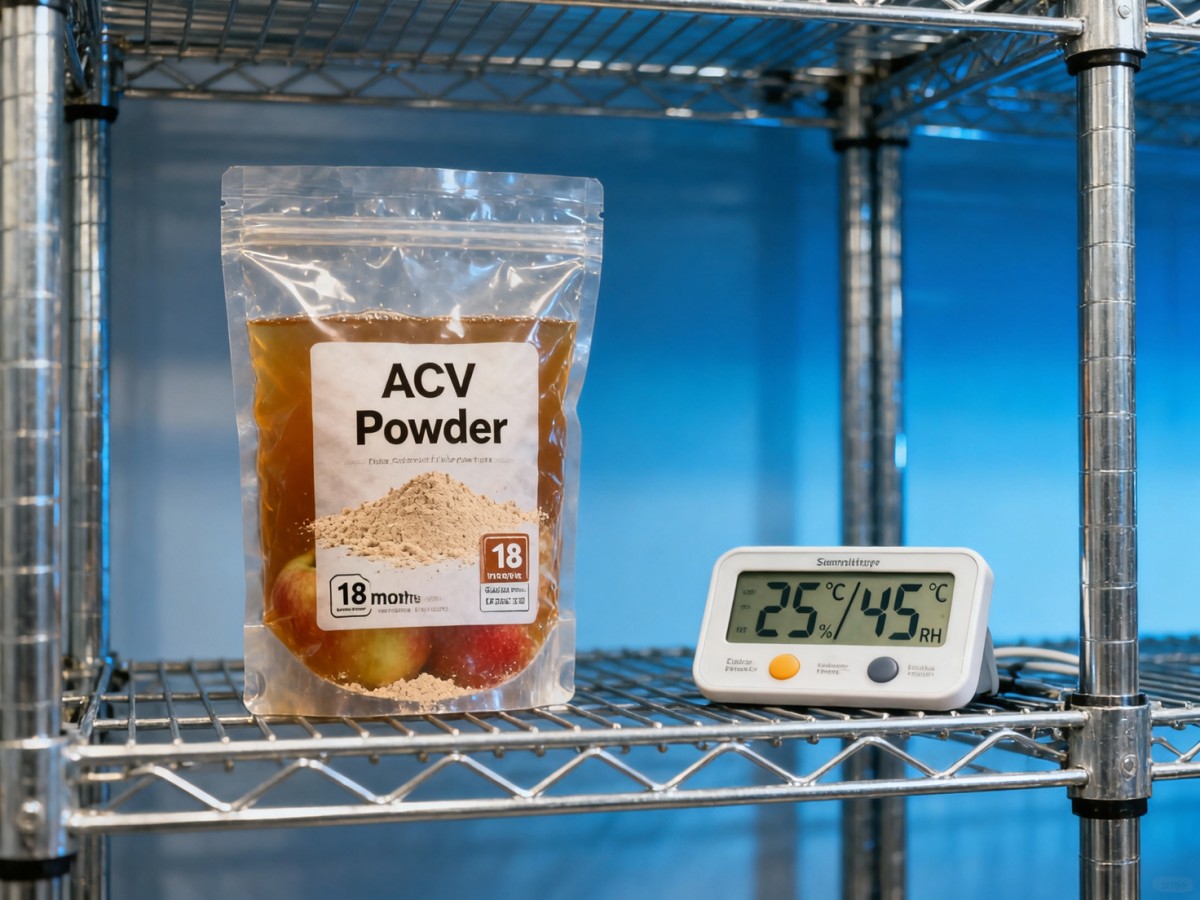
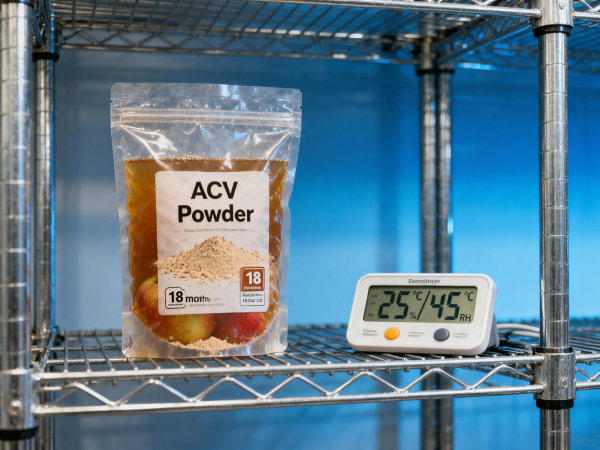
Apple cider vinegar powder (ACV) provides a concentrated, shelf-stable form of traditional liquid vinegar, offering extended usability for industrial applications. With a typical shelf life of 18-24 months when stored properly, this ingredient requires specific handling protocols to maintain its acetic acid content (4-7% concentration) and active enzymes. Food manufacturers, supplement producers, and agricultural operations must account for degradation factors including temperature fluctuations, humidity exposure, and oxidation risks.
The powder's stability makes it preferable for bulk storage compared to liquid variants, but improper conditions can reduce efficacy by 15-30% within 12 months according to accelerated aging tests. Technical buyers should verify certificates of analysis (CoA) for:
- Initial acetic acid percentage
- Moisture content (optimal <5%)
- Microbiological purity standards
Key Degradation Indicators
Quality control teams should monitor these changes:
Optimal Storage Conditions for Industrial Quantities
Commercial facilities storing 500kg+ batches require climate-controlled environments meeting these specifications:
- Temperature: 15-25°C (59-77°F) with <3°C daily variation
- Relative Humidity: 30-50% RH with dehumidification systems
- Light Exposure: UV-filtered lighting or complete darkness
Packaging Solutions by Volume
Procurement & Quality Assurance Protocols
Industrial buyers should implement these verification steps when sourcing ACV powder:
- Request third-party lab analysis for heavy metals (lead <0.1ppm, arsenic <0.05ppm)
- Verify manufacturing date and batch-specific stability data
- Inspect packaging integrity (seal strength ≥5N/15mm)
Vendor Evaluation Criteria
Technical assessment teams should prioritize suppliers demonstrating:
- GMP or NSF certification for production facilities
- 12-month accelerated stability studies
- Moisture-controlled packaging lines (RH <40%)
Implementation Recommendations
For operations integrating ACV powder into production processes:
- Establish FIFO (First-In-First-Out) inventory rotation
- Conduct quarterly potency testing for long-term storage
- Maintain 2-4°C temperature buffer from maximum thresholds
Emergency Contingency Plan
If storage conditions exceed 28°C for >48 hours:
- Isolate affected batches immediately
- Perform accelerated degradation testing
- Adjust formulation ratios if acetic acid drops below 85% label claim
Conclusion & Next Steps
Properly stored apple cider vinegar powder maintains functional benefits for commercial applications when adhering to these protocols. Procurement teams should request vendor storage condition documentation and implement regular quality checks.
For customized storage solutions or bulk procurement consultations, contact our technical specialists to optimize your ingredient management systems.
Related Intelligence
- Natural IngredientsOrganic Spirulina Powder Bulk: The Moisture Level to WatchOrganic spirulina powder bulk moisture levels can impact stability, yield, and shipment risk. Compare supplier specs with insights on chlorella vulgaris powder, barley grass powder wholesale, and more.
- Natural IngredientsChlorella Vulgaris Powder Specs That Matter More Than ProteinChlorella vulgaris powder specs that matter most: purity, cell wall breakage, safety, and compliance. Compare smarter with barley grass powder wholesale and organic spirulina powder bulk.
- Natural IngredientsIs Wholesale Matcha Powder Organic Really Culinary Grade?Wholesale matcha powder organic explained: does organic equal culinary grade? Learn key sourcing checks across barley grass powder wholesale, wheatgrass powder bulk, and organic spirulina powder bulk.
The Morning Broadsheet
Daily chemical briefings, market shifts, and peer-reviewed summaries delivered to your terminal.
