
Psyllium Husk Powder: How It Compares to Other Fiber Supplements
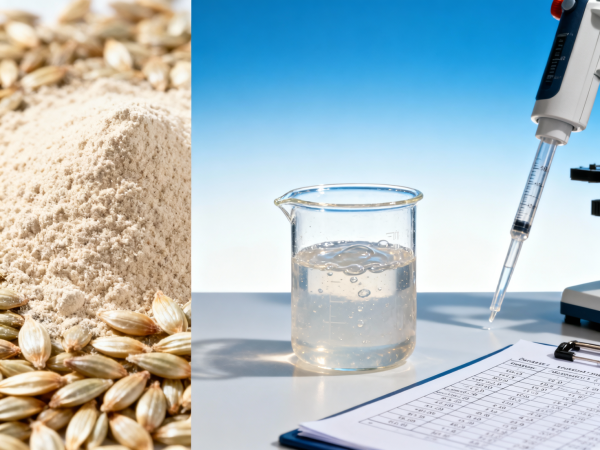
Psyllium Husk Powder: A Technical Comparison with Leading Fiber Supplements
In the competitive landscape of fiber supplements, psyllium husk powder stands out for its unique functional properties and cost-effectiveness. This comprehensive analysis compares organic psyllium husk powder with other bulk ingredients like agar agar powder, kelp powder, and diatomaceous earth, evaluating their applications across pharmaceutical, food-grade, and industrial sectors. For procurement specialists and technical evaluators seeking optimal fiber solutions, this report delivers critical insights on performance benchmarks, regulatory compliance, and supply chain considerations.
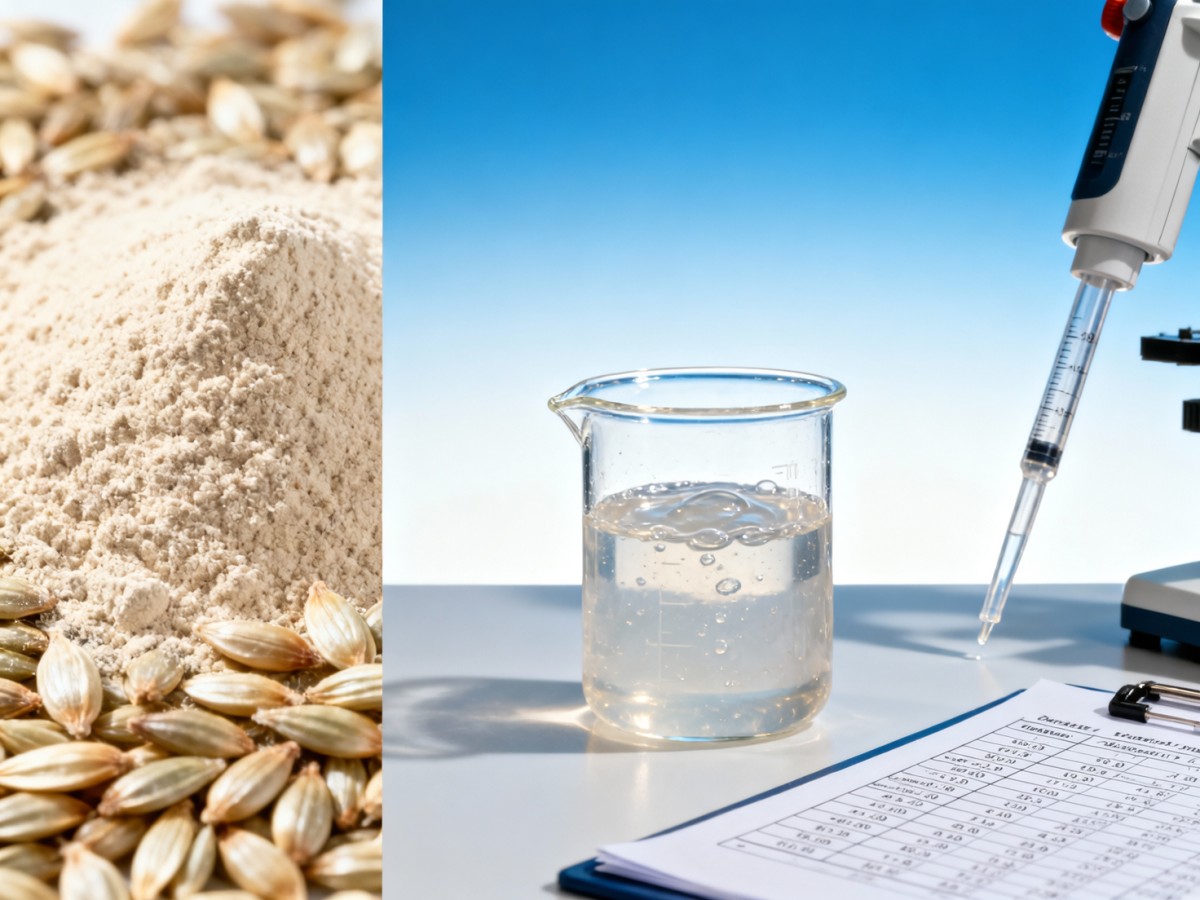
Key Functional Properties of Major Fiber Supplements
When evaluating fiber supplements for industrial or pharmaceutical applications, three core parameters determine suitability: water absorption capacity, viscosity development, and particle size distribution. Psyllium husk powder typically absorbs 40-50 times its weight in water, forming a high-viscosity gel within 15-30 minutes of hydration - a critical advantage for controlled-release formulations.
Comparative analysis reveals significant differences in functional performance:
The superior water absorption and rapid gel formation make psyllium ideal for pharmaceutical binders and food stabilizers requiring precise viscosity control. Industrial users should note that particle sizes below 100μm demonstrate optimal dispersion in liquid formulations, while 150-300μm grades perform better in tablet compression.
Regulatory Compliance & Supply Chain Considerations
Global procurement teams must navigate complex regulatory landscapes when sourcing fiber supplements. Psyllium husk powder holds distinct advantages with:
- FDA GRAS (Generally Recognized As Safe) status for food applications
- EP/JP compliance for pharmaceutical excipient use
- Organic certification available from USDA, EU, and JAS
- Typical lead times of 4-6 weeks for bulk shipments
Contrast this with diatomaceous earth, which faces increasing restrictions in food applications due to crystalline silica content (typically 0.5-2%), or kelp powder with variable iodine levels (150-800μg/g) that may require batch-specific testing for pharmaceutical use.
Documentation Requirements by Sector
Cost-Benefit Analysis for Industrial Buyers
When evaluating total cost of ownership, procurement teams should consider:
- Dosage Efficiency: Psyllium requires 30-50% less volume than alternatives to achieve equivalent viscosity
- Processing Costs: No pre-treatment needed versus kelp powder requiring desalination
- Storage Stability: 24-month shelf life at <25°C/60% RH versus agar agar's 18-month maximum
- Waste Reduction: Near-zero processing loss compared to 5-8% with diatomaceous earth
Current market pricing (FOB India) shows psyllium husk powder at $2.80-$3.20/kg for pharmaceutical grade, offering 15-20% cost advantage over equivalent agar agar powder when adjusted for dosage efficiency.
Implementation Considerations for Different Sectors
Successful integration of fiber supplements requires technical adjustments based on application:
Pharmaceutical Manufacturing
For tablet formulations, psyllium's swelling index (8-12 mL/g) necessitates precise binder ratios. Typical parameters:
- Compression force: 15-20 kN for 500mg tablets
- Disintegration time: <15 minutes for immediate release
- Friability: <1% loss at 100 revolutions
Food Processing
In bakery applications, replace 3-5% wheat flour with psyllium to boost fiber content without texture compromise. Critical control points:
- Hydration time: 20 minutes minimum before mixing
- Dough temperature: Maintain below 28°C
- Proofing adjustment: Reduce by 15-20%
Conclusion & Procurement Recommendations
For technical buyers across pharmaceutical, food, and industrial sectors, psyllium husk powder delivers superior performance-to-cost ratio when compared with alternative fiber supplements. Key decision factors should include:
- Certification compliance matching your target markets
- Particle size distribution aligned with application method
- Supplier capability to provide batch-specific heavy metal analysis
- Moisture content consistently below 10% for optimal stability
Contact our technical procurement specialists for customized specifications and current market availability reports tailored to your production requirements.
Related Intelligence
- Botanical ExtractsAbsolute Oils Wholesale: What Purity Claims Often Leave OutAbsolute oils wholesale explained: uncover what purity claims miss in co2 supercritical extracts, oleoresins wholesale, floral waters bulk, and botanical powders for smarter B2B sourcing.
- Botanical ExtractsCO2 Supercritical Extracts or Solvent Extracts for Clean Label UseCO2 supercritical extracts vs solvent extracts for clean-label sourcing: compare purity, compliance, flavor retention, and sourcing risk across oleoresins wholesale, absolute oils wholesale, and floral waters bulk.
- Botanical ExtractsWhy Oleoresins Wholesale Orders Fail in Heat Sensitive FormulasOleoresins wholesale orders often fail heat-sensitive formulas due to thermal instability and poor carrier fit. Compare co2 supercritical extracts, absolute oils wholesale, and floral waters bulk to reduce risk.
The Morning Broadsheet
Daily chemical briefings, market shifts, and peer-reviewed summaries delivered to your terminal.
