
Activated Charcoal Powder: How to Verify Its Quality Before Buying
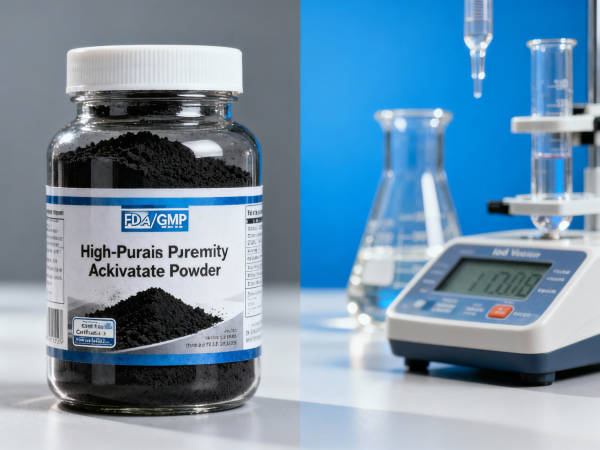
Key Quality Indicators for Pharmaceutical-Grade Activated Charcoal Powder
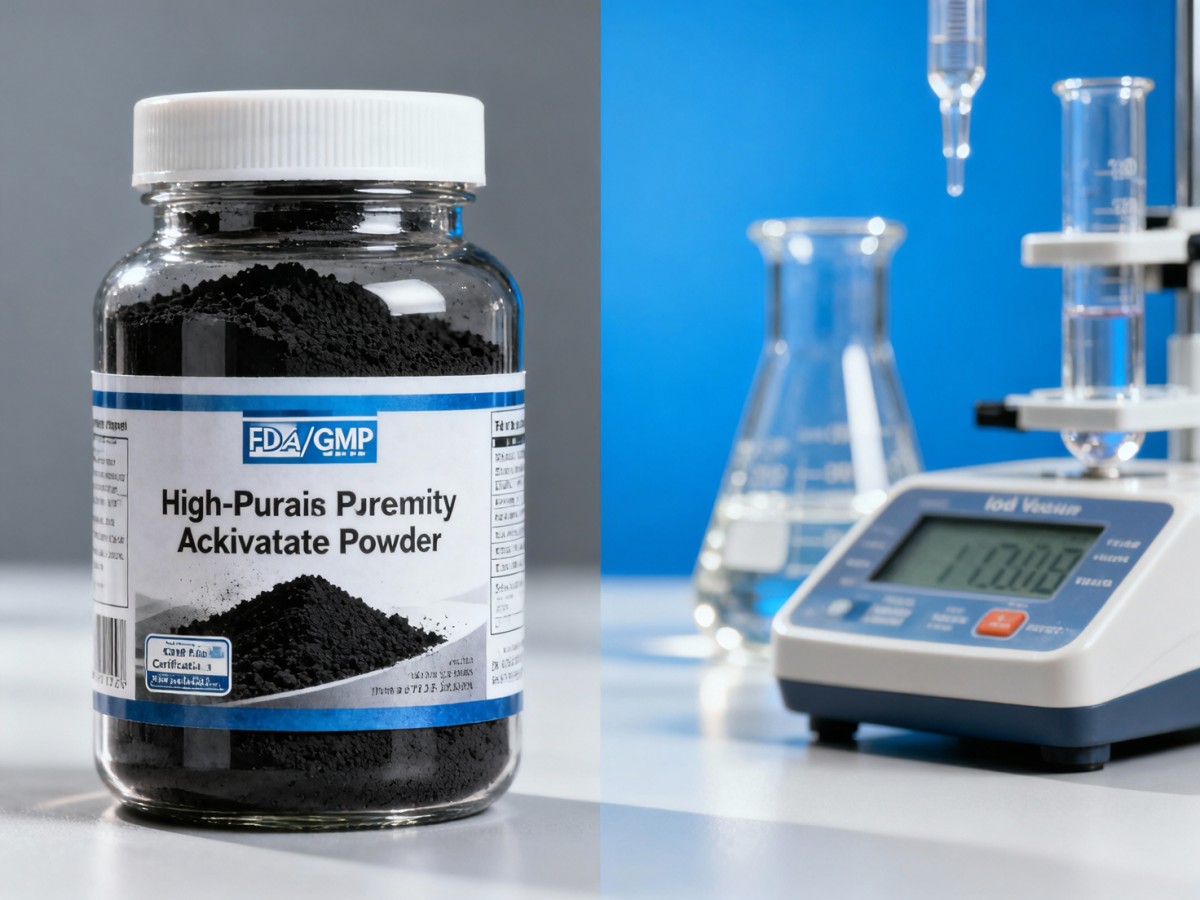
Activated charcoal powder's efficacy hinges on measurable parameters that determine its adsorption capacity and purity. Pharmaceutical and industrial buyers must prioritize these technical specifications when evaluating suppliers:
Leading manufacturers provide batch-specific certificates of analysis (CoA) documenting these values. For critical applications like drug purification, verify that test results fall within the optimal ranges shown above.
Three Critical Verification Steps
- Request third-party lab reports for the last 3 production batches
- Cross-check micronization data against your application's flow requirements
- Validate sterilization methods (gamma irradiation vs. steam treatment)
Supply Chain Transparency: Beyond Technical Specifications
Raw material sourcing directly impacts activated charcoal's safety profile. Procurement teams should audit these supply chain elements:
European pharmaceutical buyers typically require full REACH compliance documentation, while FDA-regulated applications demand 21 CFR Part 11-compliant electronic records.
Four Red Flags in Supplier Documentation
- Missing batch-to-batch variability data
- Generic rather than product-specific SDS
- Unverifiable test method references
- Vague storage condition recommendations
Performance Validation: Laboratory Testing Protocols
Before large-scale procurement, conduct these essential validation tests with representative samples:
Adsorption Efficiency Testing
The methylene blue test (ASTM D3860) measures mesopore adsorption capacity, crucial for toxin removal. High-grade powder should achieve ≥150 mg/g adsorption at 25°C.
Real-World Simulation Testing
For water treatment applications, perform jar tests with your actual water matrix. Measure organic compound removal rates against TOC reduction targets (typically 60-90%).
Accelerated Stability Testing
Store samples at 40°C/75% RH for 3 months to predict shelf life. Premium activated charcoal should maintain ≥95% of initial adsorption capacity.
Procurement Decision Framework
Weigh these factors when selecting suppliers for bulk pharmaceutical or industrial activated charcoal:
Cost vs. Performance Analysis
Calculate cost per effective adsorption unit rather than price per kilogram. High-iodine-number charcoal often delivers better long-term value despite higher upfront cost.
Regulatory Alignment Checklist
- USP-NF compliance for pharmaceutical use
- EPA 40 CFR Part 423 for wastewater applications
- EU 10/2011 for food contact materials
Conclusion: Strategic Sourcing Approach
Implementing this verification protocol ensures procurement of activated charcoal powder that meets both technical and regulatory requirements. Partner with suppliers who provide transparent, data-backed quality assurance.
For customized testing protocols or supplier evaluation templates, contact AgriChem Chronicle's technical advisory team.
Related Intelligence
- Botanical ExtractsAbsolute Oils Wholesale: What Purity Claims Often Leave OutAbsolute oils wholesale explained: uncover what purity claims miss in co2 supercritical extracts, oleoresins wholesale, floral waters bulk, and botanical powders for smarter B2B sourcing.
- Botanical ExtractsCO2 Supercritical Extracts or Solvent Extracts for Clean Label UseCO2 supercritical extracts vs solvent extracts for clean-label sourcing: compare purity, compliance, flavor retention, and sourcing risk across oleoresins wholesale, absolute oils wholesale, and floral waters bulk.
- Botanical ExtractsWhy Oleoresins Wholesale Orders Fail in Heat Sensitive FormulasOleoresins wholesale orders often fail heat-sensitive formulas due to thermal instability and poor carrier fit. Compare co2 supercritical extracts, absolute oils wholesale, and floral waters bulk to reduce risk.
The Morning Broadsheet
Daily chemical briefings, market shifts, and peer-reviewed summaries delivered to your terminal.
