
Saudi SASO Implements New Safety Standards for Food Processing Machinery: Key Impacts on China's Export of Filling and Sealing Equipment
Saudi SASO Implements New Safety Standards for Food Processing Machinery: Key Impacts on China's Export of Filling and Sealing Equipment
Introduction
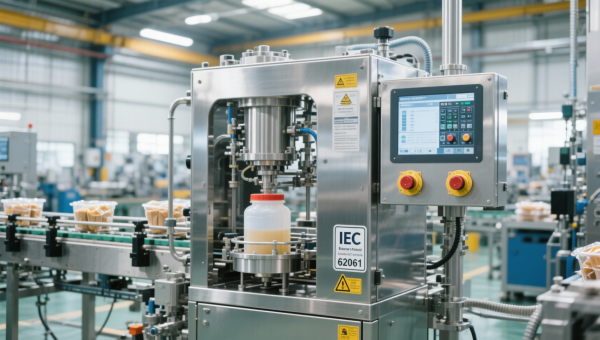
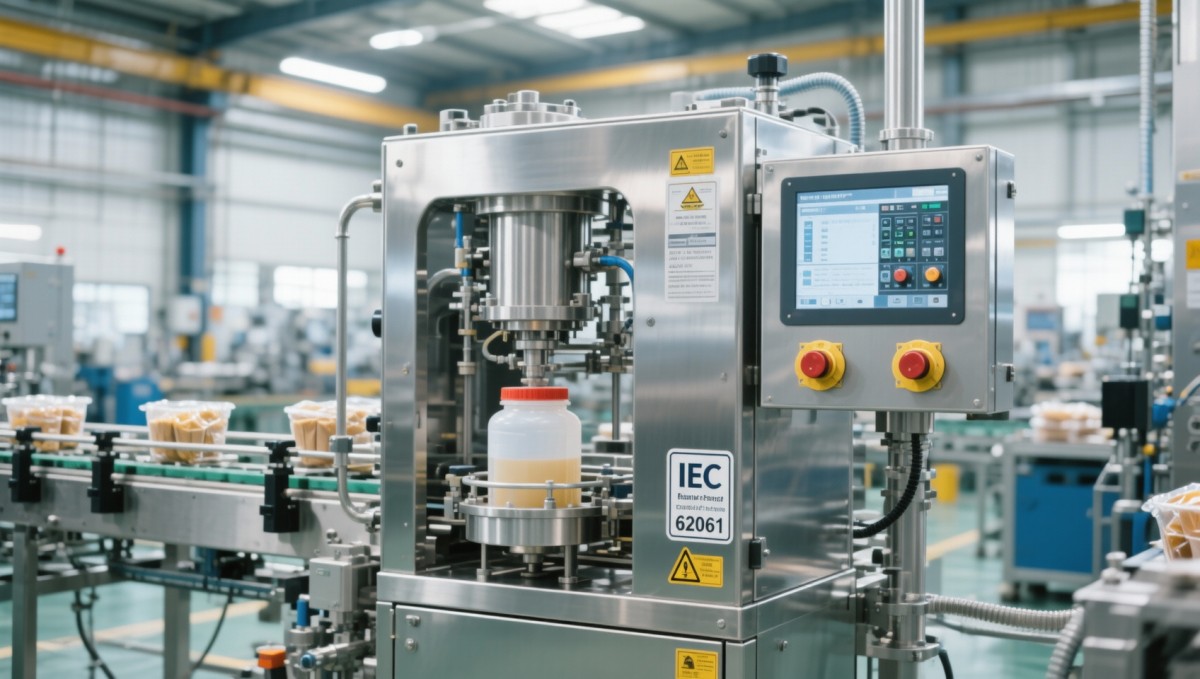
On March 25, 2026, the Saudi Standards, Metrology and Quality Organization (SASO) officially implemented the revised SASO IEC 62061:2026 safety standards for food processing machinery. This mandatory regulation requires all imported equipment, including filling, sealing, and labeling machines, to integrate safety PLCs compliant with IEC 62061 and redundant emergency stop circuits. The new standards directly impact Chinese manufacturers exporting food packaging machinery to Saudi Arabia, affecting both compliance timelines and modification costs. This development has triggered urgent technical verification requests from Middle East distributors.
Event Overview
The updated SASO IEC 62061:2026 standards mandate functional safety certification for food processing machinery imported into Saudi Arabia. Key technical requirements include:
- Integration of safety PLCs meeting IEC 62061 specifications
- Implementation of dual-channel emergency stop systems
- Full compliance verification before customs clearance
The regulation took immediate effect on March 25, 2026, with no transitional grace period announced.
Impacted Industry Segments
1. Food Packaging Equipment Manufacturers
Chinese producers of filling, capping, and sealing machines will face:
- Increased BOM costs for safety PLC components (estimated 15-20% per unit)
- Extended certification timelines (additional 4-6 weeks for SASO approval)
- Potential redesign requirements for existing machine architectures
2. Middle East Distribution Channels
Local Saudi importers and distributors must:
- Verify technical documentation for pending shipments
- Reassess inventory of non-compliant equipment
- Update procurement contracts with safety clause amendments
3. Certification Service Providers
Third-party testing agencies will experience:
- Increased demand for IEC 62061 compliance testing
- Urgent requests for expedited certification services
- Need for technical clarification sessions with manufacturers
Key Action Items for Affected Businesses
1. Immediate Technical Gap Assessment
Manufacturers should:
- Conduct product teardowns to identify missing safety components
- Engage certified PLC suppliers for rapid prototyping
- Prioritize high-volume export models for retrofitting
2. Supply Chain Reconfiguration
Critical steps include:
- Auditing existing component suppliers for IEC 62061 capability
- Establishing backup sources for safety-rated control modules
- Reviewing production lead times with updated BOMs
3. Certification Process Optimization
Recommended measures:
- Pre-apply for SASO documentation review
- Develop modular certification packages by machine type
- Schedule parallel testing for mechanical and electrical safety
Industry Perspective
From an industry standpoint, this regulatory shift signals:
- Escalating safety requirements in Gulf Cooperation Council (GCC) markets beyond basic CE compliance
- Growing technical barriers for mid-range equipment manufacturers
- Potential ripple effects as neighboring markets may adopt similar standards
Current market intelligence suggests Saudi authorities will enforce the standards strictly at major ports including Jeddah Islamic Port and King Abdulaziz Port.
Conclusion
The SASO regulation represents a substantive change in market access requirements for food processing equipment. While increasing short-term compliance costs, it also creates differentiation opportunities for manufacturers with advanced safety engineering capabilities. Industry participants should treat this as both an operational challenge and strategic indicator of evolving Middle East import standards.
Information Sources
- SASO Official Announcement (March 25, 2026)
- IEC 62061:2021 Technical Standard
- China Customs Export Advisory Notice (Pending verification)
Related Intelligence
- Food Grade EnzymesWhat Sets a Reliable Food Grade Enzymes Manufacturer Apart?Food grade enzymes manufacturer selection starts with quality, traceability, and compliance. Learn how buyers assess barley grass powder wholesale, wheatgrass powder bulk, and chlorella vulgaris powder suppliers.
- Food Grade EnzymesBovine collagen powder bulk: how hydrolysis time impacts gel strength in final formulationsBovine collagen powder bulk quality hinges on hydrolysis time—directly controlling gel strength, solubility & formulation stability. Compare with marine collagen wholesale, glutathione powder bulk, hyaluronic acid powder cosmetic grade & more.
- Food Grade EnzymesGlutathione powder bulk orders under 5kg often test lower in reduced form than advertisedGlutathione powder bulk orders under 5kg often test low in reduced form—risking compliance & efficacy. Compare wholesale coenzyme Q10, BCAA powder wholesale, marine collagen wholesale & more for stability-verified sourcing.
The Morning Broadsheet
Daily chemical briefings, market shifts, and peer-reviewed summaries delivered to your terminal.
