
China's 2026 Spring Farming Inputs Crackdown: Key Impacts on Agri-Export Industries
Lead
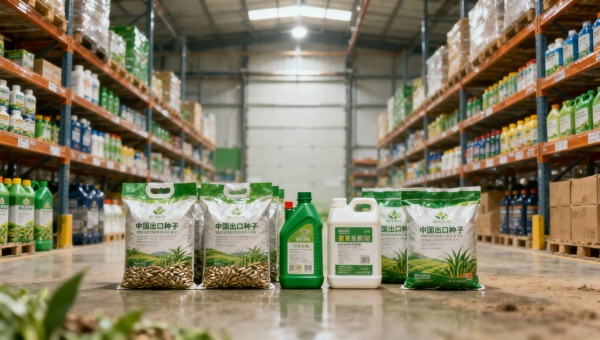
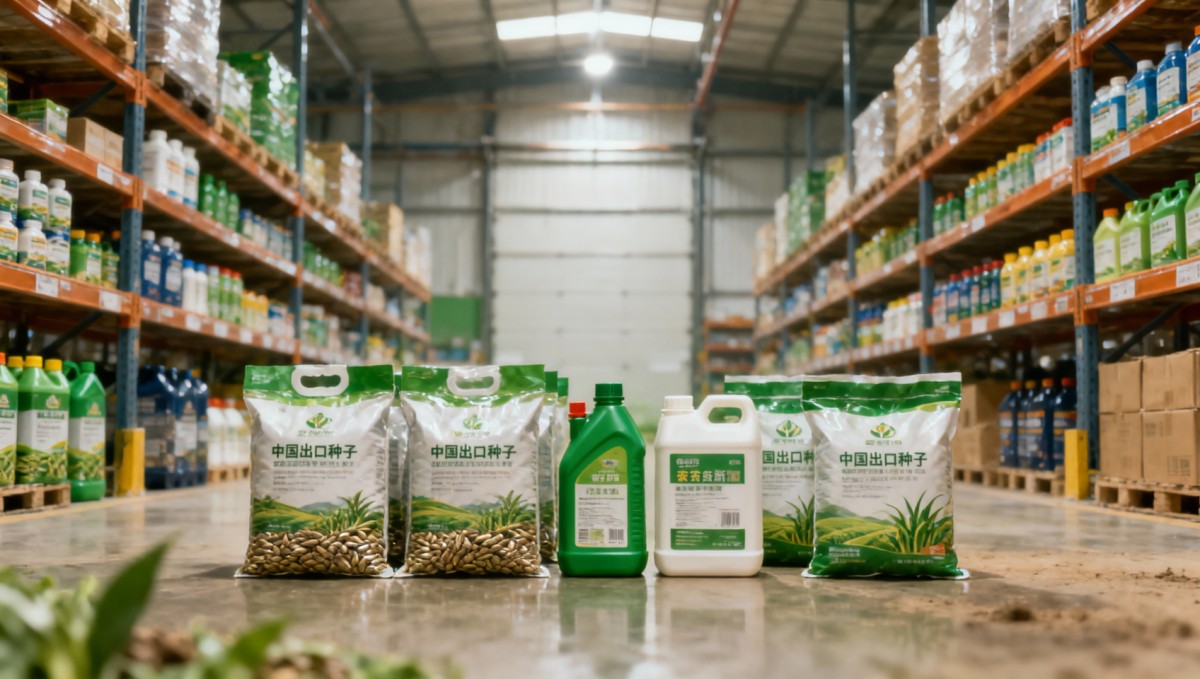
On March 23, 2026, China's Ministry of Agriculture and Rural Affairs (MARA) launched a joint campaign with six regulatory bodies to tighten quality control on exported agricultural inputs including seeds, pesticides, and fertilizers. This enforcement action directly impacts global agri-input supply chains, particularly for Southeast Asian, African, and Latin American buyers relying on Chinese exports. Export-oriented manufacturers, trading companies, and procurement teams must now prioritize compliance documentation and product testing protocols to mitigate cross-border trade risks.
Event Overview
The seven-agency initiative specifically targets:
- False labeling of export-bound agricultural inputs
- Active ingredient discrepancies in pesticides/fertilizers
- Unregistered products being exported
Customs declarations and product testing reports will undergo enhanced scrutiny during the spring farming season through coordinated inspections by MARA, GACC (General Administration of Customs China), and SAMR (State Administration for Market Regulation).
Impacted Sub-Sectors
1. Agri-Chemical Exporters
Manufacturers of bio-pesticides and compound fertilizers face immediate compliance pressures. Analysis shows African buyers previously accepting 10-15% active ingredient variances may now reject shipments due to stricter border testing.
2. Seed Trading Companies
Hybrid seed exporters to Southeast Asia must verify germination rates and genetic purity documentation. Vietnam and Philippines recently increased sampling rates for Chinese seed imports from 5% to 20%.
3. Cross-Border Procurement Teams
International buyers sourcing discounted inputs now require:
- Third-party lab reports matching shipment contents
- MARA registration certificates for each product variant
- Complete Chinese-to-English translation of labels
Actionable Recommendations
1. Documentation Audit
Conduct gap analysis on existing product registrations and test reports. Many exporters maintain outdated 2023-2024 certificates that won't satisfy 2026 requirements.
2. Supply Chain Mapping
Identify high-risk components in fertilizer blends or pesticide formulations. From an industry perspective, auxiliary agents (e.g., solvents, carriers) now account for 60% of non-compliance cases.
3. Proactive Communication
Notify overseas clients about potential clearance delays. Current data shows Brazilian customs are holding 30% more Chinese agri-input shipments for verification compared to Q1 2025.
Industry Perspective
This campaign signals China's strategic shift from export volume growth to quality compliance in agricultural inputs. Observers note the timing aligns with:
- New ASEAN pesticide residue standards effective July 2026
- Africa's Continental Free Trade Area (AfCFTA) harmonizing import rules
Rather than temporary enforcement, this likely represents sustained regulatory pressure to upgrade export product standards.
Conclusion
The 2026 crackdown fundamentally recalibrates risk assessment parameters for global agricultural input trade. Exporters should interpret this as a compliance inflection point requiring systematic upgrades to testing, documentation, and supply chain transparency practices.
Sources
- MARA Notice No. [2026] 11 (March 23, 2026)
- GACC Import-Export Safety Bulletin (March 2026)
- Ongoing: Monitoring regional customs implementation variances
Related Intelligence
- AgrochemicalsEU REACH Adds 5 New SVHCs, Including Agrochem Intermediates & Natural Preservative PrecursorsEU REACH adds 5 new SVHCs including agrochemical intermediates & natural preservative precursors. Learn how this impacts exporters of botanical products & organic pesticides. Act now to avoid EU market risks.
- AgrochemicalsEU REACH Adds 5 New SVHCs, Including Pharma & Agrochem IntermediatesEU REACH adds 5 new SVHCs including key agrochemical & pharma intermediates. Learn how 2-chloro-5-methylpyridine and DMAC regulations impact your supply chain before Oct 2026 compliance deadline.
- AgrochemicalsU.S. Soybean Exports to China Plunge 48.5%, China Shifts to Brazil/ArgentinaU.S. soybean exports to China plummet 48.5% as China shifts to Brazil/Argentina sources. Discover how this trade realignment impacts global markets and key industries. Learn strategic adaptation tips for businesses.
The Morning Broadsheet
Daily chemical briefings, market shifts, and peer-reviewed summaries delivered to your terminal.
