
Hainan's Green Cultivation Technology for String Beans Attracts Procurement Intentions from Vietnam and Cambodia, Reducing Pesticide Use by 35% and Increasing Yield by 18%
Introduction
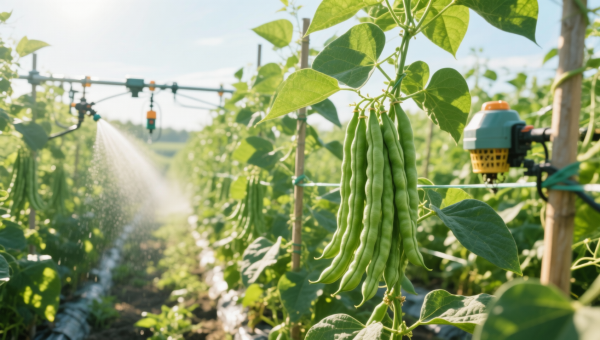
On March 27, 2026, the Hainan Station of the National Bulk Vegetable Industry Technology System unveiled an innovative green cultivation technique for string beans, achieving a 35% reduction in pesticide use and an 18% increase in yield through a combination of single-row trellising, biological trapping, and precision pesticide application. This breakthrough has already attracted procurement intentions from Vietnam's Binh Duong Province Department of Agriculture and Cambodia's Ministry of Agriculture, Forestry, and Fisheries, signaling potential export opportunities for related smart irrigation equipment, biopesticides, and agricultural drones. This development is particularly relevant for agricultural technology providers, biopesticide manufacturers, and precision farming equipment suppliers, as it highlights a growing demand for sustainable farming solutions in Southeast Asia.
Event Overview
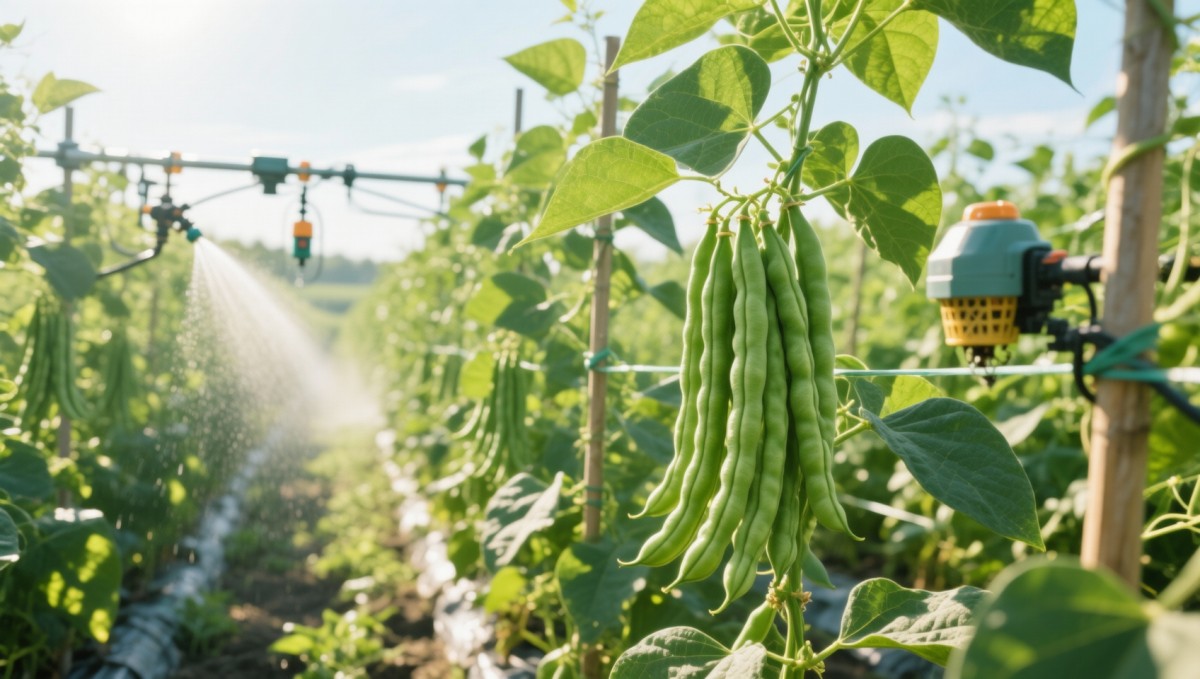
The newly developed green cultivation technology for string beans, announced on March 27, 2026, integrates single-row trellising, biological pest trapping, and a precision pesticide application system. This approach has demonstrated significant improvements in both sustainability and productivity. Vietnam's Binh Duong Province Department of Agriculture and Cambodia's Ministry of Agriculture, Forestry, and Fisheries have expressed interest in adopting this technology, including potential collaborations for localized training and implementation. The technology is also expected to drive demand for complementary products such as smart irrigation systems, biopesticides, and plant protection drones.
Impact on Sub-sectors
Agricultural Technology Providers
The adoption of this green cultivation method is likely to increase demand for precision farming tools, including smart irrigation systems and drone-based pesticide application technologies. Companies in this space should monitor the progress of technology transfer agreements and prepare for potential export opportunities.
Biopesticide Manufacturers
With a 35% reduction in chemical pesticide use achieved by the new system, biopesticide producers may see growing interest from Southeast Asian markets. It would be prudent to assess regulatory requirements for biopesticides in Vietnam and Cambodia to facilitate smoother market entry.
Agricultural Equipment Exporters
The technology's reliance on specialized trellising systems and precision application equipment presents a direct opportunity for manufacturers. Companies should evaluate the scalability of their production to meet potential demand from these emerging markets.
Key Focus Areas and Recommended Actions
Monitor Official Technology Transfer Developments
Companies should track the formalization of technology sharing agreements between Hainan Station and Southeast Asian partners, as these will determine the timeline and scale of market opportunities.
Assess Local Adaptation Requirements
The technology may require adjustments for different climatic conditions in Vietnam and Cambodia. Equipment manufacturers and solution providers should initiate feasibility studies for local adaptation.
Prepare for Integrated Solution Demand
Given the system's multi-component nature, providers should consider developing packaged solutions that combine trellising, biological controls, and precision application technologies.
Explore Training and Service Opportunities
The need for localized training presents additional business potential. Companies with expertise in agricultural extension services could position themselves as partners in implementation.
Editorial Perspective
From an industry standpoint, this development signals a growing receptiveness to sustainable agricultural technologies in Southeast Asia. While the procurement intentions represent preliminary interest rather than finalized deals, the involvement of government agricultural departments suggests serious consideration at the policy level. The technology's dual benefit of reducing environmental impact while improving productivity makes it particularly attractive for regions facing both food security and sustainability challenges. The industry should view this as an indicator of shifting priorities in agricultural development strategies within the ASEAN region.
Conclusion
The introduction of Hainan's green string bean cultivation technology represents a meaningful advancement in sustainable agriculture with tangible productivity benefits. While the procurement interests from Vietnam and Cambodia are still in early stages, they reflect a broader trend toward environmentally conscious farming practices in Southeast Asia. For businesses in related sectors, this development warrants attention but should be approached with measured expectations, focusing on preparatory steps rather than immediate large-scale investments. The technology's potential will become clearer as pilot implementations progress and formal agreements materialize.
Information Sources
Primary source: Announcement by the National Bulk Vegetable Industry Technology System Hainan Station on March 27, 2026. Ongoing developments in technology transfer negotiations with Vietnam and Cambodia require further monitoring.
Related Intelligence
- Smart GreenhouseMicrowave drying machine commercial units heat unevenly with dense meat blocks — here’s how to spot itSpot uneven heating in microwave drying machine commercial units—critical for meat smoking oven commercial, vacuum tumbler for meat & more. Diagnose fast, avoid FDA risk.
- Smart GreenhouseAquaculture installations with modular wiring show 37% faster commissioning—but at what integration cost?Aquaculture installations with modular wiring accelerate commissioning by 37%—but ensure biopharmaceutical equipment compatibility, biochemical standards compliance, and seamless integration across aquaculture modules, structures, materials, and machinery.
- Smart GreenhouseSmart Greenhouse Adoption in Forestry Nurseries: What’s Driving the Shift Beyond Traditional Propagation?Agri & Forestry nurseries adopt smart greenhouses for precision propagation—driven by climate resilience, labor gaps, and Aquaculture & Fishery-grade tech. Discover why institutional buyers now demand it.
The Morning Broadsheet
Daily chemical briefings, market shifts, and peer-reviewed summaries delivered to your terminal.
