
Guizhou Phosphate Group Implements GS1 QR Code Traceability System for Exported Fertilizers, Addressing New Regulations in Latin America and Africa
Introduction
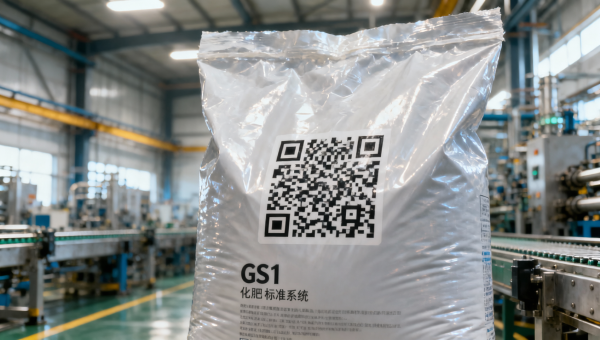
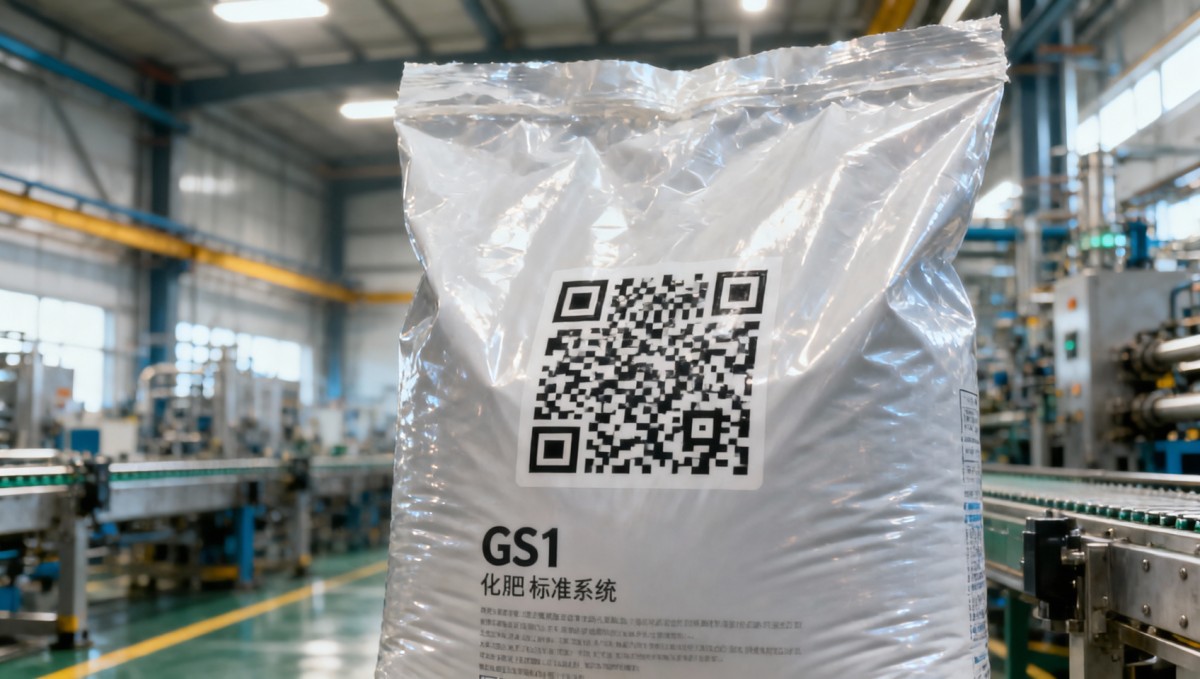
On March 26, 2026, Guizhou Phosphate Group announced the full implementation of GS1-standard QR codes on all its exported fertilizer packaging. This move enables complete traceability from production to end-use, directly responding to stricter fertilizer traceability regulations in emerging markets like Brazil and South Africa. The initiative is particularly relevant for fertilizer manufacturers, exporters, and agricultural supply chain stakeholders operating in Latin America and Africa.
Event Overview
Since March 2026, Guizhou Phosphate Group has incorporated GS1-standard QR codes on all exported fertilizer packaging. Scanning these codes provides access to detailed information including raw material sources, nutrient test reports, export inspection certificates, logistics tracking, and end-user feedback. The system has already been adopted by importers in Ecuador and Nigeria, specifically addressing regulatory requirements from Brazil's MAPA and South Africa's DAFF.
Impact on Specific Industries
Fertilizer Exporters
Exporters to Latin America and Africa will need to adapt to similar traceability standards to remain competitive. The implementation by a major player like Guizhou Phosphate sets a new benchmark for compliance.
Agricultural Supply Chain Services
Logistics and quality assurance providers must now integrate with GS1 systems to offer comprehensive tracking solutions, as end-to-end visibility becomes a market requirement rather than an optional feature.
Raw Material Suppliers
Suppliers to fertilizer manufacturers will face increased scrutiny regarding origin documentation and quality certifications, as these details become directly accessible to end-users through QR codes.
Key Focus Areas and Recommended Actions
Monitor Regulatory Developments
Track updates from Brazil's MAPA and South Africa's DAFF, as their regulations are likely to influence other markets in the region. Early adopters of similar traceability systems may gain a competitive edge.
Prioritize Supply Chain Digitization
Invest in systems that can seamlessly integrate production data, quality certifications, and logistics information into a standardized format like GS1.
Engage with Importers
Proactively communicate with Latin American and African importers about traceability capabilities, as this is becoming a key factor in procurement decisions.
Editor's Perspective
From an industry standpoint, this development signals a shift toward mandatory digital traceability in agricultural inputs. While currently focused on specific markets, the approach taken by Guizhou Phosphate may soon become an industry standard for fertilizer exports globally. The immediate impact is most significant for companies targeting Brazil and South Africa, but the broader trend toward supply chain transparency is undeniable.
Conclusion
The implementation of GS1 QR code traceability by Guizhou Phosphate represents a strategic response to evolving international regulations. For industry participants, this underscores the growing importance of digital traceability systems in maintaining market access and competitive positioning. At this stage, it should be viewed as both a compliance measure and an opportunity to differentiate through transparency.
Source Information
Primary source: Official announcement from Guizhou Phosphate Group dated March 26, 2026. Ongoing monitoring recommended for updates on regulatory adoption in other markets.
Related Intelligence
- AgrochemicalsEU REACH Adds 5 New SVHCs, Including Agrochem Intermediates & Natural Preservative PrecursorsEU REACH adds 5 new SVHCs including agrochemical intermediates & natural preservative precursors. Learn how this impacts exporters of botanical products & organic pesticides. Act now to avoid EU market risks.
- AgrochemicalsEU REACH Adds 5 New SVHCs, Including Pharma & Agrochem IntermediatesEU REACH adds 5 new SVHCs including key agrochemical & pharma intermediates. Learn how 2-chloro-5-methylpyridine and DMAC regulations impact your supply chain before Oct 2026 compliance deadline.
- AgrochemicalsU.S. Soybean Exports to China Plunge 48.5%, China Shifts to Brazil/ArgentinaU.S. soybean exports to China plummet 48.5% as China shifts to Brazil/Argentina sources. Discover how this trade realignment impacts global markets and key industries. Learn strategic adaptation tips for businesses.
The Morning Broadsheet
Daily chemical briefings, market shifts, and peer-reviewed summaries delivered to your terminal.
