
RCEP Third Round Tariff Cuts Take Effect: Vietnam and Malaysia Reduce Import Duties on Chinese Freeze-Drying Equipment to 3.8%, Boosting Exports for Prepared Food and Health Supplement Machinery
Introduction
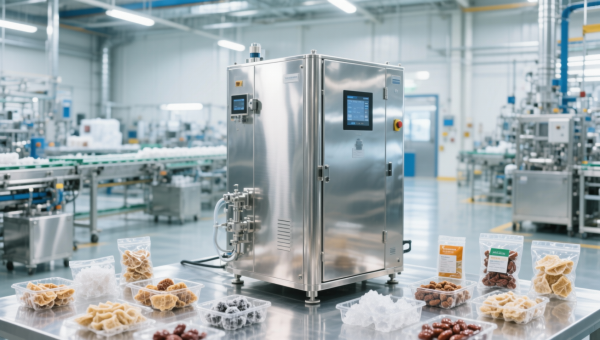
On April 1, 2026, the third round of tariff reductions under the Regional Comprehensive Economic Partnership (RCEP) came into effect, with Vietnam and Malaysia lowering import duties on Chinese-made vacuum freeze-drying equipment from 6.5% to 3.8%. This development is particularly significant for industries involved in prepared food manufacturing, health supplement production, and cross-border e-commerce. The tariff cuts coincide with a surge in demand for freeze-drying technology in Southeast Asia, where new factories are being built to meet growing consumer needs. Industry players should take note of the immediate impact on export inquiries and delivery timelines, which have already seen a 42% week-on-week increase and extended lead times of 10–12 weeks.
Event Overview
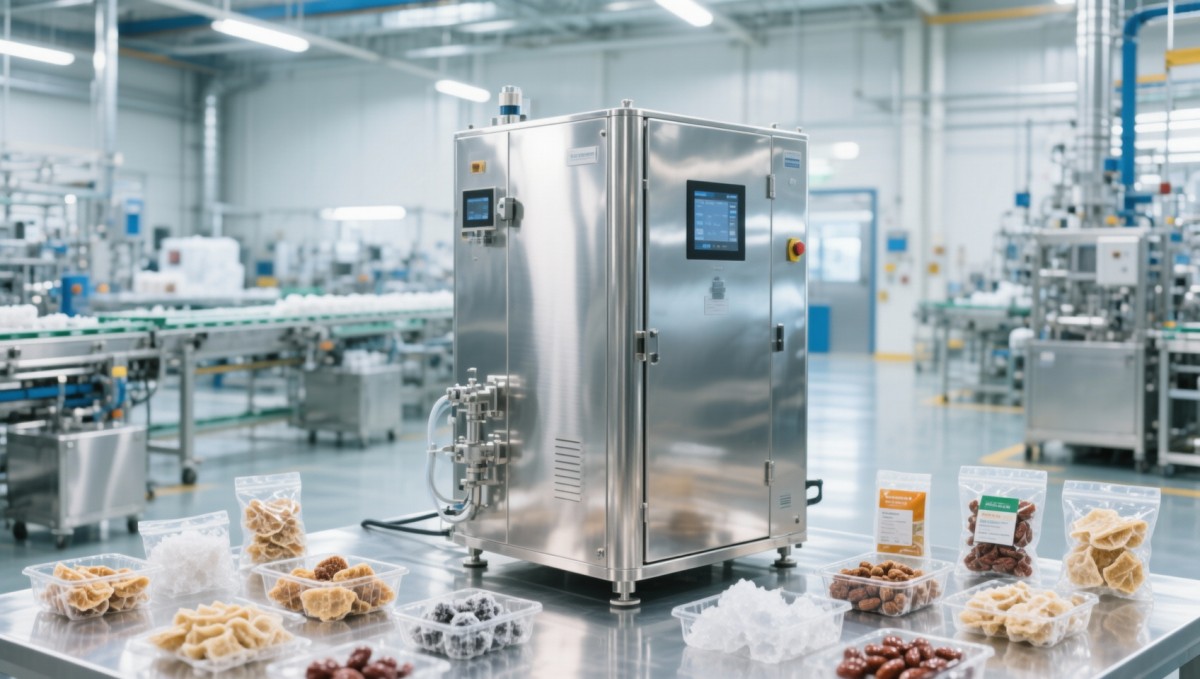
As part of the RCEP agreement, Vietnam and Malaysia implemented a tariff reduction on vacuum freeze-drying equipment imported from China, effective April 1, 2026. The duty rate was lowered from 6.5% to 3.8%, marking the third phase of scheduled tariff cuts under the trade pact. Current data indicates a sharp rise in export inquiries for Chinese freeze-drying equipment, with a 42% increase compared to the previous week. Delivery times have also extended to 10–12 weeks due to heightened demand, particularly from Southeast Asian markets.
Impact on Key Industries
1. Prepared Food Manufacturers
The reduction in tariffs lowers the cost of importing advanced freeze-drying equipment, which is essential for producing shelf-stable prepared foods. Southeast Asia’s growing appetite for ready-to-eat meals has driven a wave of factory expansions, making this tariff cut especially timely. Manufacturers in China now have a stronger incentive to export high-end equipment to meet this demand.
2. Health Supplement Producers
Freeze-drying is a critical process for preserving the potency of health supplements, particularly in the booming cross-border e-commerce sector. With lower import duties, Southeast Asian supplement brands can more affordably source Chinese equipment, potentially accelerating local production capabilities.
3. Equipment Exporters and Supply Chain Providers
Chinese manufacturers of freeze-drying machinery are experiencing a surge in orders, leading to extended lead times. Logistics and trade service providers should prepare for increased shipment volumes and potential bottlenecks in equipment delivery.
Key Considerations for Businesses
1. Monitor Further Policy Adjustments
While the current tariff reduction is confirmed, businesses should stay informed about potential future adjustments under RCEP or other trade agreements that could further impact costs and competitiveness.
2. Prioritize High-Demand Markets
Given the extended delivery timelines, exporters should focus on markets with the most immediate demand, such as Vietnam and Malaysia, where factory construction is actively underway.
3. Strengthen Supply Chain Coordination
With lead times stretching to 10–12 weeks, manufacturers and logistics partners must improve coordination to minimize delays and ensure timely fulfillment of orders.
Industry Perspective
From an industry standpoint, this tariff reduction is more than just a cost-saving measure—it signals a broader trend of Southeast Asia’s increasing reliance on Chinese food and pharmaceutical processing technology. The immediate spike in export inquiries suggests that businesses are already capitalizing on the opportunity, but sustained growth will depend on how well supply chains adapt to the heightened demand. Companies should view this development as part of a long-term shift in regional trade dynamics rather than a one-time event.
Conclusion
The latest RCEP tariff cuts present a tangible opportunity for Chinese freeze-drying equipment exporters, particularly those serving the prepared food and health supplement sectors in Southeast Asia. While the immediate effects are already visible in increased inquiries and extended lead times, businesses should approach this as part of a larger, evolving trade landscape. Strategic planning and supply chain adjustments will be crucial to maximizing the benefits of this policy change.
Source Information
This report is based on confirmed RCEP tariff adjustments effective April 1, 2026, and verified export data from industry sources. Further developments in trade policies and market demand should be monitored for ongoing analysis.
Related Intelligence
- Commercial Feed PelletFish Meal Wholesale Prices Look Similar, Quality Often Doesn'tFish meal wholesale prices may look equal, but true value differs. Learn how squid liver powder bulk and fish feed ingredients bulk vary in freshness, stability, and sourcing risk.
- Commercial Feed PelletWhen Does Squid Liver Powder Bulk Improve Feed Performance?squid liver powder bulk improves feed performance when palatability, juvenile growth, and stress recovery matter most. Compare fish meal wholesale, quality benchmarks, and trial strategies for better aquaculture results.
- Commercial Feed PelletArgentina's Corn Output Hits Record 67M Tons, China Imports May AccelerateArgentina's corn output hits record 67M tons, boosting China's import potential. Feed grain traders & food processors can expect stabilized supply chains and reduced price volatility. Key insights for strategic procurement.
The Morning Broadsheet
Daily chemical briefings, market shifts, and peer-reviewed summaries delivered to your terminal.
