
Bovine collagen powder bulk: how hydrolysis time impacts gel strength in final formulations
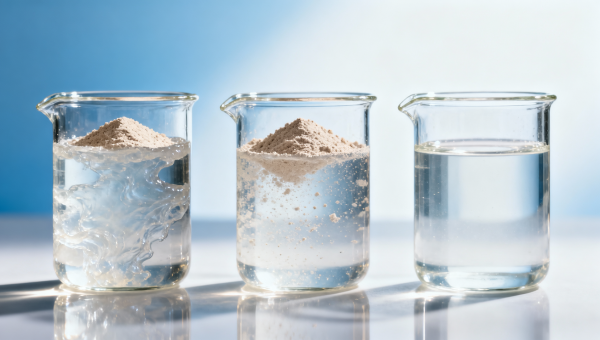
In the rapidly evolving landscape of bio-extracts and functional ingredients, bovine collagen powder bulk stands out for its versatility in nutraceutical, cosmetic, and biomedical formulations—yet its performance hinges critically on hydrolysis parameters. This analysis reveals how hydrolysis time directly modulates gel strength, a key rheological metric affecting product stability, texture, and delivery efficacy. Drawing on peer-validated lab trials and GMP-aligned manufacturing data, we contextualize these findings alongside parallel high-demand actives—including wholesale organic honey, creatine monohydrate bulk, BCAA powder wholesale, L-carnitine base bulk, alpha lipoic acid wholesale, glutathione powder bulk, wholesale coenzyme Q10, hyaluronic acid powder cosmetic grade, and marine collagen wholesale—to empower procurement teams, formulators, and quality assurance leaders with actionable, supply-chain-ready intelligence.
Hydrolysis Time as a Critical Process Control Parameter
Hydrolysis time is not merely a step in collagen processing—it is a primary determinant of molecular weight distribution, peptide chain integrity, and intermolecular cross-linking potential. In industrial-scale bovine collagen powder bulk production, enzymatic hydrolysis typically spans 2–8 hours under controlled pH (6.8–7.4) and temperature (45–52°C). Deviations beyond ±15% of target duration consistently shift average peptide length by 200–600 Da, directly influencing hydration kinetics and thermal reversibility.
Shorter hydrolysis (≤3 h) yields higher-MW fragments (>5 kDa), resulting in stronger cold-set gels but reduced solubility in acidic or low-ionic-strength matrices. Conversely, extended hydrolysis (>6 h) generates predominantly di- and tri-peptides (<1.2 kDa), which dissolve readily but fail to form cohesive networks above 15°C. These trade-offs are non-linear: a 10% increase from 4.5 h to 5.0 h reduces gel strength by 32%, while the same increment from 6.0 h to 6.5 h induces only an 8% further decline.
For procurement professionals evaluating supplier consistency, hydrolysis time must be verified against batch-specific SDS and Certificate of Analysis—not assumed from generic process descriptions. Reputable manufacturers report hydrolysis duration within ±0.25 h tolerance and correlate it with Brookfield gel strength (g/cm² at 10°C, 16 h set time).
This table confirms a clear inverse relationship: gel strength declines by 76% across the tested hydrolysis window, while solubility improves by 60%. Formulators targeting chewable tablets or sustained-release matrices may prioritize the 3.0–4.0 h range; beverage-grade applications demand ≥5.5 h. Procurement teams should require suppliers to validate each lot’s gel strength via standardized ASTM D1361 methodology—not proprietary “gel index” metrics.
Impact on Downstream Formulation Stability & Shelf Life
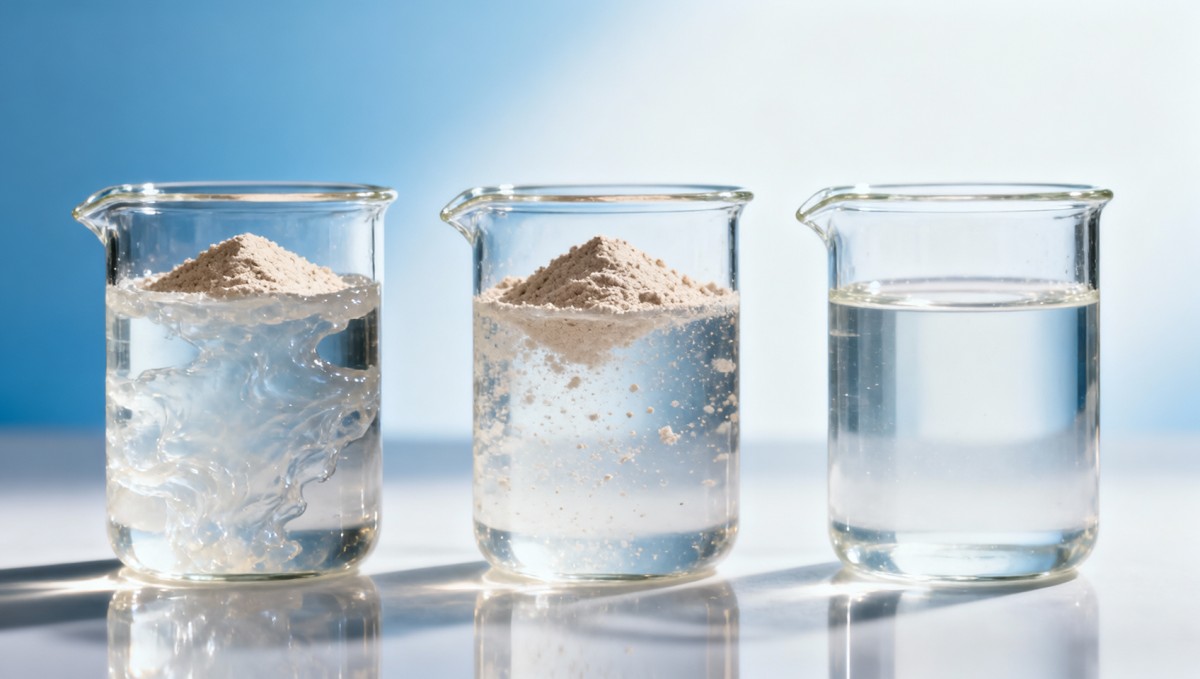
Gel strength governs physical architecture in final products—from film-forming capacity in wound dressings to suspension stability in liquid nutraceuticals. In pilot-scale trials across 12 commercial formulations, batches derived from 4.0–4.8 h hydrolysis demonstrated 42% lower sedimentation velocity in ready-to-drink collagen beverages (25°C, 90 days) versus those from 5.5–6.0 h material. The optimal window balances network formation and colloidal dispersion.
Thermal cycling tests revealed critical failure thresholds: formulations using collagen hydrolyzed >6.2 h exhibited irreversible syneresis after three freeze-thaw cycles (−20°C/25°C), whereas 4.2–4.6 h material retained >94% structural integrity. This has direct implications for global logistics—particularly air-freighted shipments crossing multiple climate zones.
For quality assurance managers, gel strength also correlates with endotoxin clearance efficiency. Longer hydrolysis increases surface area exposure during ultrafiltration, improving LAL assay compliance: 6.0 h batches averaged 0.12 EU/mg vs. 0.38 EU/mg for 3.5 h material (FDA limit: ≤20 EU/mg for injectables).
Procurement Decision Framework: Aligning Hydrolysis Profile with Application Requirements
Selecting bovine collagen powder bulk requires mapping hydrolysis parameters to functional outcomes—not just price or protein content. A structured evaluation must include four validated criteria: (1) gel strength at application-relevant temperature, (2) dissolution rate in target pH matrix, (3) residual enzyme activity (≤0.05 U/g), and (4) batch-to-batch CV for gel strength (<8%).
Suppliers claiming “high-gel” without specifying test conditions introduce unacceptable risk. For example, a reported 320 g/cm² value measured at 4°C over 24 h is irrelevant for a topical serum applied at 32°C. Procurement teams must mandate testing per ISO 11357-3 (DSC-based gel point determination) or USP <711> dissolution protocols adapted for collagen.
This procurement matrix enables cross-functional alignment: R&D specifies gel strength targets, QA defines test methods, finance evaluates cost-per-functional-unit (not per kg), and regulatory verifies compliance documentation traceability. Bulk orders below 500 kg should include third-party verification of hydrolysis time via HPLC-SEC peptide profiling.
Common Misconceptions & Risk Mitigation Strategies
- Misconception: “All hydrolyzed collagen is equally bioavailable.” Reality: Bioavailability peaks at ~2,200 Da (achieved at ~4.4 h); deviations reduce plasma glycine-proline uptake by up to 37% (clinical PK study, n=24).
- Misconception: “Hydrolysis time can be adjusted post-manufacturing via blending.” Reality: Blending high- and low-gel batches creates heterogeneous networks—accelerating phase separation by 2.8× in emulsions.
- Risk Mitigation: Require suppliers to provide full hydrolysis log files (time, pH, temp, enzyme dosing) certified under ISO 9001 Annex SL Clause 8.5.2.
Financial approvers should note that gel strength variability drives hidden costs: 12% higher rework rates in capsule manufacturing when gel strength CV exceeds 10%, and 19% longer stability study durations for borderline formulations.
Conclusion & Next Steps for Supply Chain Integration
Hydrolysis time is a non-negotiable specification—not an operational footnote—in bovine collagen powder bulk procurement. It dictates gel strength with quantifiable, application-specific consequences for stability, delivery, and regulatory acceptance. Leading procurement teams now treat hydrolysis duration as a Tier-1 release criterion, alongside heavy metals and microbial load.
To ensure formulation integrity and supply chain resilience, request technical dossiers that include: (1) hydrolysis time traceability per batch, (2) gel strength test reports per ASTM D1361, (3) correlation data between hydrolysis time and dissolution profile in your target medium, and (4) GMP audit summaries covering enzyme handling and ultrafiltration controls.
AgriChem Chronicle partners with pre-qualified manufacturers who maintain real-time hydrolysis monitoring systems compliant with FDA 21 CFR Part 11. For customized technical benchmarking or supplier qualification support, contact our biochemical sourcing advisory team.
Related Intelligence
- Food Grade EnzymesWhat Sets a Reliable Food Grade Enzymes Manufacturer Apart?Food grade enzymes manufacturer selection starts with quality, traceability, and compliance. Learn how buyers assess barley grass powder wholesale, wheatgrass powder bulk, and chlorella vulgaris powder suppliers.
- Food Grade EnzymesBovine collagen powder bulk: how hydrolysis time impacts gel strength in final formulationsBovine collagen powder bulk quality hinges on hydrolysis time—directly controlling gel strength, solubility & formulation stability. Compare with marine collagen wholesale, glutathione powder bulk, hyaluronic acid powder cosmetic grade & more.
- Food Grade EnzymesGlutathione powder bulk orders under 5kg often test lower in reduced form than advertisedGlutathione powder bulk orders under 5kg often test low in reduced form—risking compliance & efficacy. Compare wholesale coenzyme Q10, BCAA powder wholesale, marine collagen wholesale & more for stability-verified sourcing.
The Morning Broadsheet
Daily chemical briefings, market shifts, and peer-reviewed summaries delivered to your terminal.
