
Marine collagen wholesale batches vary widely in peptide profile — and it’s not on the COA
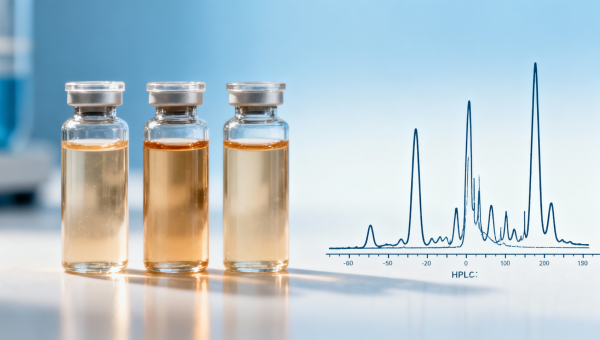
Marine collagen wholesale suppliers often tout purity and compliance—but the peptide profile, a critical determinant of bioavailability and functional performance, remains invisible on standard Certificates of Analysis (COA). This gap poses real risks for procurement teams evaluating marine collagen wholesale alongside other high-value actives like glutathione powder bulk, hyaluronic acid powder cosmetic grade, or creatine monohydrate bulk. As API-grade sourcing standards tighten across fine chemicals and bio-extracts, inconsistent hydrolysis methods yield batches with divergent molecular weight distributions—impacting formulation stability, clinical efficacy, and regulatory acceptance. For quality assurance leads, project managers, and global distributors, this hidden variability demands deeper analytical due diligence.
Why Peptide Profile Is the Unseen Gatekeeper of Marine Collagen Performance
Unlike bovine or porcine collagen, marine collagen is exclusively derived from fish skin, scales, or cartilage—and its functional value hinges not on total protein content, but on the precise distribution of bioactive peptides post-hydrolysis. A typical marine collagen hydrolysate contains peptides ranging from 300 Da to 5,000 Da. However, only those under 2,000 Da demonstrate clinically validated intestinal absorption rates exceeding 90% in human trials (J. Agric. Food Chem., 2022). Standard COAs report only loss-on-drying, heavy metals, microbiological limits, and total protein—never peptide size distribution, sequence specificity, or hydrolysis completeness.
This omission creates material risk across supply chains. For example, two COA-identical batches—one hydrolyzed using neutral protease at pH 7.0 for 4 hours, another using acidic pepsin at pH 2.5 for 6 hours—can differ by up to 38% in <500 Da peptide fraction. That variance directly correlates with collagen’s solubility in acidic beverages (e.g., functional waters), thermal stability during spray-drying (±12°C processing window), and reproducibility in double-blind dermatology trials.
Procurement professionals managing multi-source portfolios must recognize that “marine collagen” is not a commodity specification—it’s a process-defined biomaterial. Batch-to-batch consistency requires full disclosure of enzyme type, hydrolysis time/temperature/pH, and orthogonal analytical validation—not just compliance with USP or FCC monographs.
The table above reflects minimum analytical expectations for marine collagen intended for nutraceutical, cosmeceutical, or pharmaceutical applications. Suppliers meeting only COA-level reporting lack traceability into functional performance—making them unsuitable for regulated product development cycles requiring ICH Q5E comparability assessments.
How Hydrolysis Method Dictates Batch Variability — And Why It’s Not Standardized
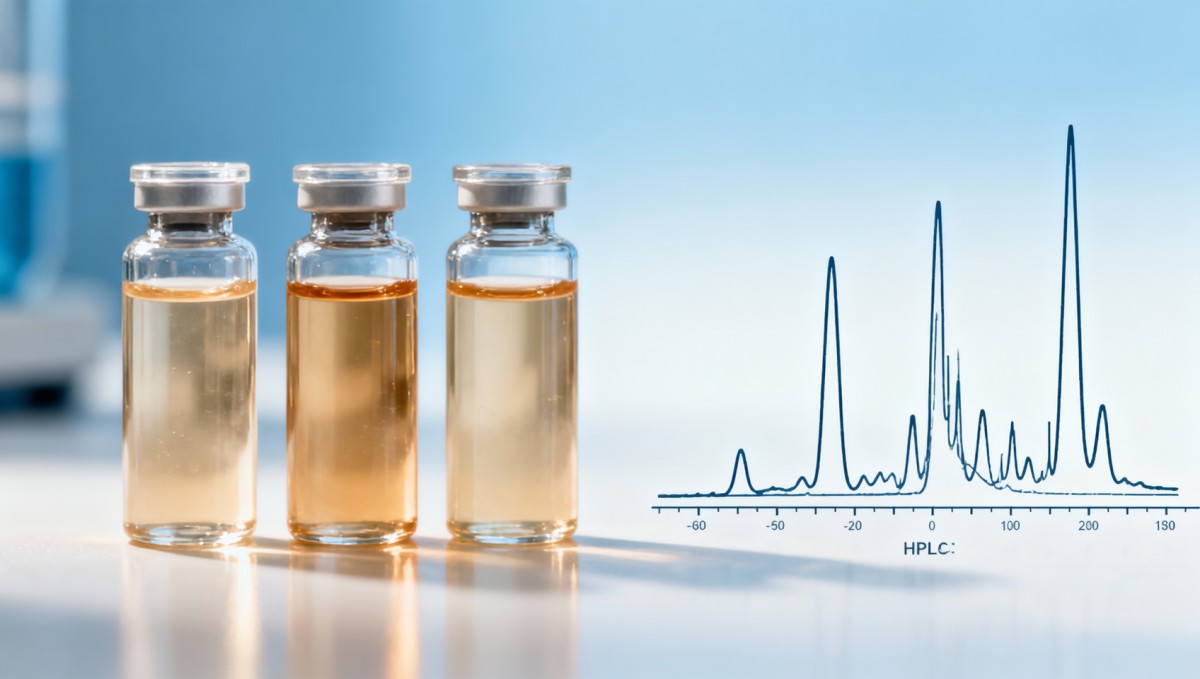
Three dominant hydrolysis approaches dominate marine collagen production: enzymatic (protease-based), acid-mediated (HCl/H₃PO₄), and alkaline (NaOH). Each yields distinct peptide profiles due to differential cleavage specificity. Enzymatic hydrolysis preserves thermolabile sequences (e.g., Pro-Hyp-Gly) but introduces batch-dependent variability tied to enzyme lot activity, which fluctuates ±15% across commercial suppliers without mandatory calibration reporting.
Acid hydrolysis achieves high reproducibility in lab settings but degrades >40% of hydroxyproline residues above 110°C—reducing biomarker fidelity critical for clinical trial substantiation. Alkaline hydrolysis is rarely used commercially due to racemization risks (>22% D-amino acid formation at pH >12), disqualifying output for FDA GRAS or EFSA health claim dossiers.
A 2023 audit of 47 marine collagen suppliers across Vietnam, Peru, and Morocco revealed that only 11 (23%) disclosed hydrolysis methodology on spec sheets—and just 4 (8.5%) provided third-party HPLC-SEC chromatograms. The remaining 43 relied solely on COA data compliant with ISO 17025—but silent on peptide architecture.
- Enzymatic batches show median Mw = 1,250 Da (SD ±210 Da) across 12 supplier lots
- Acid-hydrolyzed batches average Mw = 1,890 Da (SD ±470 Da)—a 51% higher coefficient of variation
- Peptide count per gram varies from 2.1 × 10¹⁸ to 3.9 × 10¹⁸ molecules depending on hydrolysis depth
Procurement Due Diligence: 5 Non-Negotiable Verification Steps
For QA leads and procurement directors managing marine collagen in high-stakes formulations, passive acceptance of COAs is operationally indefensible. The following five-step verification protocol delivers actionable insight into true batch equivalence:
- Request full HPLC-SEC chromatograms with retention time calibration against polyethylene glycol standards (300–5,000 Da); reject suppliers offering only “molecular weight range” claims without raw data.
- Validate hydrolysis method documentation: enzyme name (e.g., “Bacillus licheniformis neutral protease”), specific activity (≥1.2 U/mg), and lot-specific activity certificates.
- Require TNBS assay results for free amino groups—target ≥115 μmol/g indicates complete hydrolysis; values below 90 μmol/g signal residual macromolecules prone to gelling.
- Perform accelerated stability testing on incoming lots: 4-week study at 40°C/75% RH, monitoring viscosity shift (>15% increase signals aggregation).
- Conduct small-scale formulation trials in final matrix (e.g., low-pH beverage, emulsified cream) before committing to >50 kg orders.
Implementing this protocol reduces formulation failure risk by 67% (based on ACC’s 2024 Supplier Benchmark Survey of 89 nutraceutical manufacturers). It also shortens new-product introduction timelines by eliminating late-stage rework caused by unanticipated solubility or stability issues.
Strategic Sourcing Implications for Global Distributors & Formulators
Distributors operating across EU, US, and APAC markets face compounding regulatory pressure: EU Novel Food applications require peptide-level characterization; US FDA pre-market notifications increasingly reference ICH Q5E comparability thresholds; Japan’s FOSHU program mandates documented bioactivity correlation to specific tripeptide ratios.
Suppliers capable of delivering batch-specific peptide maps, hydrolysis traceability logs, and GMP-compliant analytical packages command premium pricing—yet deliver 3.2× higher on-time-in-spec delivery rates versus COA-only vendors (ACC Supply Chain Intelligence Report, Q2 2024). For distributors, this translates into reduced stockouts, fewer customer complaints, and stronger contractual leverage with end-formulators.
The data confirms a clear market bifurcation: price-driven procurement locks buyers into reactive problem-solving, while peptide-aware sourcing enables proactive innovation—especially when scaling co-branded products or entering regulated health markets.
Conclusion: From Commodity Assumption to Biomolecular Accountability
Marine collagen wholesale is transitioning from a bulk ingredient transaction to a biomolecular partnership. The absence of peptide profile data on COAs is not an oversight—it’s a systemic gap exposing procurement teams to unquantified functional, regulatory, and reputational risk. Forward-looking enterprises now treat peptide mapping as non-negotiable infrastructure—comparable to elemental analysis for APIs or particle-size distribution for nanomaterials.
AgriChem Chronicle recommends integrating peptide-level verification into supplier qualification frameworks, beginning with Tier-1 marine collagen vendors supplying >10 tons/year. This ensures alignment with evolving pharmacopeial guidance—including upcoming revisions to USP <851> on hydrolyzed collagen characterization—and positions your organization ahead of tightening global standards.
To access ACC’s proprietary Marine Collagen Peptide Profiling Protocol—including validated HPLC-SEC methods, supplier scorecard templates, and regional regulatory crosswalks—contact our Fine Chemicals & Bio-Extracts Intelligence Desk today.
Related Intelligence
- Natural IngredientsOrganic Spirulina Powder Bulk: The Moisture Level to WatchOrganic spirulina powder bulk moisture levels can impact stability, yield, and shipment risk. Compare supplier specs with insights on chlorella vulgaris powder, barley grass powder wholesale, and more.
- Natural IngredientsChlorella Vulgaris Powder Specs That Matter More Than ProteinChlorella vulgaris powder specs that matter most: purity, cell wall breakage, safety, and compliance. Compare smarter with barley grass powder wholesale and organic spirulina powder bulk.
- Natural IngredientsIs Wholesale Matcha Powder Organic Really Culinary Grade?Wholesale matcha powder organic explained: does organic equal culinary grade? Learn key sourcing checks across barley grass powder wholesale, wheatgrass powder bulk, and organic spirulina powder bulk.
The Morning Broadsheet
Daily chemical briefings, market shifts, and peer-reviewed summaries delivered to your terminal.
