
When is astragalus root extract a better fit than mushroom extracts?
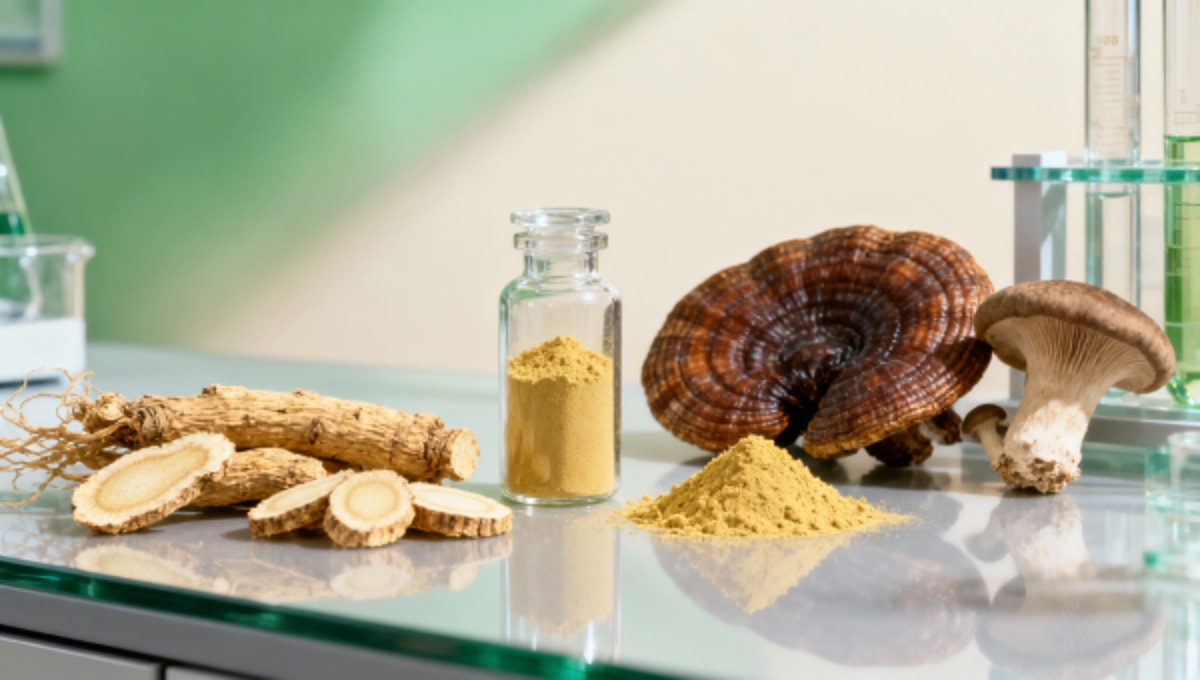
When comparing astragalus root extract with options like maitake mushroom extract, chaga mushroom extract, or reishi mushroom extract bulk, the better fit depends on formulation goals, immune-support positioning, sourcing stability, and regulatory expectations. For buyers, formulators, and technical evaluators, understanding when astragalus root extract offers clearer application value than mushroom-derived ingredients is essential for smarter product development and procurement decisions.
When does astragalus root extract make more commercial sense?
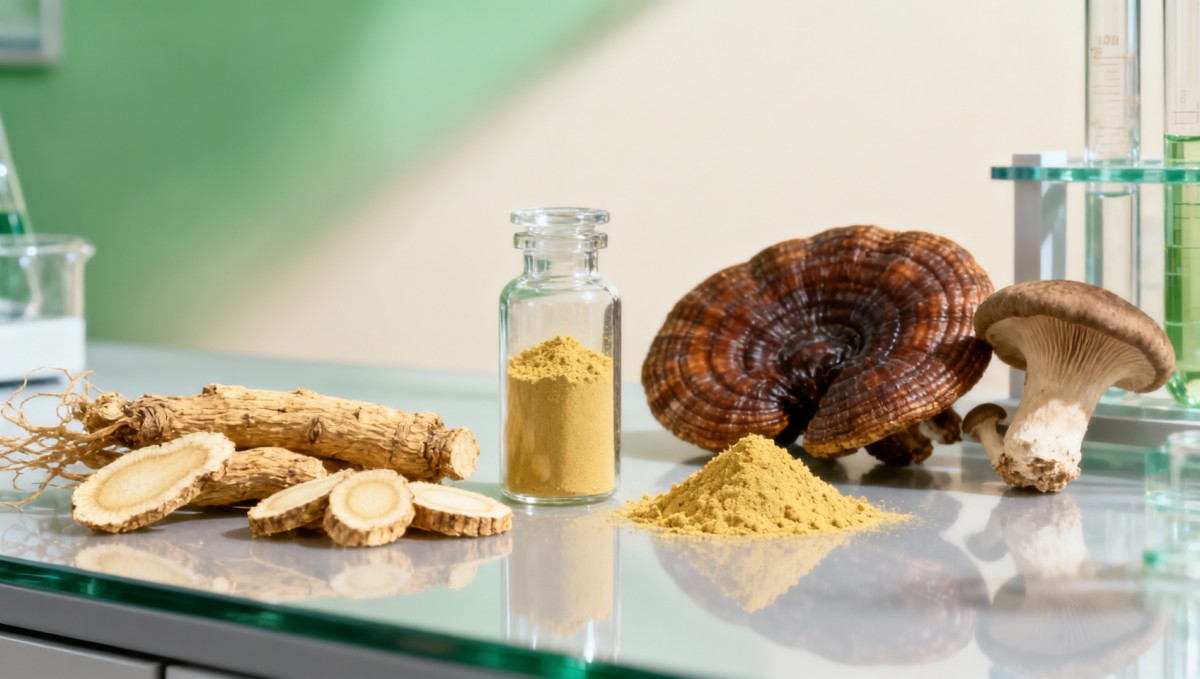
In B2B ingredient selection, astragalus root extract is often preferred when a project needs a plant-based active with a long history of use, a relatively familiar positioning in herbal formulations, and a simpler ingredient story for product briefs. This matters in categories where procurement teams must compare 3 core factors at once: label strategy, supply continuity, and target market acceptance across supplements, functional foods, and botanical blends.
Mushroom extracts such as maitake mushroom extract, chaga mushroom extract, and reishi mushroom extract bulk are commonly chosen for beta-glucan-driven positioning or fungi-centered branding. Astragalus root extract, however, can be a better fit when the formulation objective emphasizes traditional herbal support, combination use with other roots or botanicals, or lower complexity in explaining source material to distributors, finance approvers, and regulatory reviewers.
For industrial buyers, the decision is rarely only about biological activity. It also involves extraction consistency, documentation readiness, lead times that may range from 2–6 weeks depending on season and processing schedule, and whether the ingredient can be integrated into capsule, tablet, powder, or liquid systems without major reformulation. In these practical conditions, astragalus root extract may offer a more straightforward path from sourcing to launch.
ACC closely tracks these issues because bio-extract procurement now sits at the intersection of ingredient science, compliance review, and supply-chain risk management. For technical assessors and project managers, the right question is not whether astragalus root extract is universally better than mushroom extracts, but when it creates a cleaner commercial and operational fit.
A quick decision lens for cross-functional teams
- Choose astragalus root extract first when the product concept is rooted in botanical heritage, adaptogenic positioning, or multi-herb synergy rather than mushroom identity.
- Review mushroom extracts first when the formulation depends on named fungal species, beta-glucan communication, or specific consumer demand for reishi, chaga, or maitake.
- Escalate to quality and procurement review when documents such as specification sheets, solvent declarations, heavy metal limits, microbiological controls, and origin traceability are incomplete.
How does astragalus root extract compare with maitake, chaga, and reishi in practical formulation work?
A direct comparison helps teams avoid generic assumptions. In real procurement settings, the better ingredient is the one that aligns with dosage form, active marker expectations, taste tolerance, sourcing risk, and intended market claims. For example, a powder blend for daily wellness may tolerate different sensory and standardization profiles than a premium liquid extract sold through practitioner channels.
Astragalus root extract is frequently assessed through extract ratio, polysaccharide content where applicable, moisture, ash, particle size, and contaminant control. Mushroom extracts are often evaluated through species identity, fruiting body versus mycelium source, beta-glucan or polysaccharide profile, extraction medium, and batch-to-batch consistency. These are not interchangeable review frameworks, so technical teams should not collapse them into one checklist.
The table below compares typical decision variables that matter to formulators, sourcing managers, and commercial reviewers. It is not a ranking table. Instead, it shows where astragalus root extract may become the better fit in a specific product or procurement scenario.
The practical takeaway is that astragalus root extract tends to win when the product team wants a botanical-forward brief with fewer species-identity debates and smoother incorporation into herbal systems. Mushroom extracts tend to win when the sales strategy depends on the named mushroom itself. That distinction affects not only messaging, but also procurement screening, dossier preparation, and launch speed.
Three technical questions before locking the ingredient
1. What is the active marker strategy?
If the product brief requires a standardized marker, the buyer should verify whether the supplier can consistently support that marker over at least 3 production cycles. Astragalus root extract may be easier to position when the brief accepts extract ratio plus contaminant controls, while mushroom extracts may require more detailed beta-glucan discussion and source transparency.
2. What form will the final product take?
Powders, stick packs, hard capsules, tablets, and liquid concentrates each create different processing pressures. In many operations, the reformulation window is only 2–4 weeks. An ingredient with fewer taste, color, and flowability complications can reduce risk for operators and shorten validation time.
3. What level of claim sensitivity applies?
For export-focused or tightly reviewed channels, the compliance team may favor ingredients with easier-to-manage descriptions and lower ambiguity in source presentation. This does not make astragalus root extract automatically superior, but it can improve dossier clarity in some markets.
Which application scenarios favor astragalus root extract over mushroom extracts?
Application fit is where many sourcing decisions are won or lost. A technical evaluator may initially approve both astragalus root extract and reishi mushroom extract bulk, yet the commercial team may later find that only one of them supports the intended price band, flavor system, dosage size, and customer education burden. That is why application mapping should happen before quotation rounds begin.
Astragalus root extract is frequently a better fit in multi-botanical immune-support lines, herbal wellness capsules, and daily-use powder formulas where the objective is to create a broad herbal profile rather than a mushroom-led proposition. It may also suit projects where product education needs to stay concise for distributors, operators, and B2B buyers comparing several SKUs within a 1 sales cycle window.
By contrast, maitake mushroom extract, chaga mushroom extract, and reishi mushroom extract bulk are often stronger when the packaging, sales narrative, and consumer search behavior are built around mushroom identity. Those cases include mushroom complexes, fungi specialty products, and premium formulas where end users intentionally seek specific mushroom names.
For industrial teams, the better fit also depends on processing tolerance. If a factory needs a smooth transfer into existing blending lines with standard sieving, moisture control, and documented incoming inspection procedures, astragalus root extract may present fewer alignment issues depending on the specification requested from the supplier.
Scenario-based selection guide
The table below helps buyers decide which ingredient direction is more practical for different commercial and technical scenarios, especially when a company must balance launch timing, procurement control, and formulation efficiency.
This kind of scenario mapping is especially useful for procurement personnel and finance approvers. It turns a broad ingredient discussion into a shortlist decision based on product architecture, launch timing, and documentation burden. In many cases, that saves 1–2 rounds of re-quotation and internal review.
Common situations where astragalus root extract gains an advantage
- The product is intended for a botanical portfolio rather than a dedicated mushroom line.
- The team needs a simpler ingredient narrative for distributors, retail training, or B2B cataloging.
- There is pressure to finalize formulation and raw material approval within 2–3 internal review meetings.
- The sourcing strategy requires flexible supplier options and stable document sets for repeated purchasing.
What should buyers, QA teams, and project managers check before procurement?
Once astragalus root extract appears to be the better fit, the next step is disciplined evaluation. In regulated and semi-regulated supply chains, a purchasing decision should not rely on marketing language alone. Quality managers, technical evaluators, and project owners should review at least 5 key areas: botanical identity, extraction process, specification logic, contaminant control, and traceability records.
A common procurement mistake is to compare quotations without aligning specification depth. Two offers may both say astragalus root extract, but one may be based on a simple extract ratio while the other includes marker standardization, finer mesh range, tighter microbial limits, or additional testing. Without this normalization, price comparisons become misleading and can create downstream approval delays of 7–10 working days.
For QA and safety managers, documentation review should include solvent declaration, allergen statement where relevant, pesticide and heavy metal controls, microbiological limits, and storage recommendations. Typical commercial storage expectations often target cool, dry conditions with sealed packaging and periodic lot review during the stated shelf-life window, commonly 24–36 months depending on format and documentation.
ACC’s editorial focus on fine chemicals, bio-extracts, and compliance-sensitive primary industries is especially relevant here. Institutional buyers do not need generic ingredient claims; they need a framework to compare vendors, reduce hidden specification gaps, and support internal approval across commercial, technical, and financial departments.
Practical procurement checklist for astragalus root extract
- Confirm source identity and plant part. The quotation should clearly state that the material is root-derived, not an ambiguous whole-plant reference.
- Match extract format to dosage form. Ask whether the powder suits capsules, tablets, sachets, or liquids, and whether particle size or flow properties require adjustment.
- Review the specification line by line. Focus on moisture, ash, microbial limits, heavy metals, solvent status, and any active marker or extract ratio.
- Check commercial readiness. Confirm MOQ, sample availability, standard lead time, and whether repeat orders can be supported across quarterly planning cycles.
- Validate compliance fit. For export or sensitive channels, confirm that documentation can support buyer-side review under applicable GMP, FDA-related, or local import expectations where relevant.
Typical procurement comparison points
The following table shows how internal teams can structure a side-by-side evaluation before approving astragalus root extract or a mushroom extract candidate. This kind of matrix is useful when finance, QA, and formulation teams each need different decision inputs.
A structured checklist prevents late-stage disagreement between departments. It also helps business evaluators distinguish between a lower initial price and a lower total procurement burden. In many industrial buying cases, the second factor matters more.
What are the common misconceptions, risks, and FAQ points?
The most common mistake is assuming that all immune-support ingredients are commercially interchangeable. They are not. Astragalus root extract and mushroom extracts may appear adjacent in a sourcing list, but they differ in identity, positioning, technical review logic, and customer expectation. Teams that ignore this often lose time during dossier review, packaging development, and distributor onboarding.
Another misconception is that a lower-cost quote is automatically the safer buy. If the cheaper offer lacks clear source details, extraction method disclosure, or contaminant testing, the buyer may face additional QC costs, delayed release, or rejected lots. A 5-point review process before order confirmation is usually more valuable than a rushed comparison of unit price alone.
There is also a frequent branding mismatch. Some companies buy reishi mushroom extract bulk because mushroom products are trending, then discover that their existing catalog, sales team, and customer base are better aligned with herbal formulas. In such cases, astragalus root extract may have been the stronger strategic fit from the beginning.
FAQ
How do I know whether astragalus root extract is better than reishi mushroom extract bulk for a new SKU?
Start with the product narrative and channel strategy. If the SKU belongs to a botanical wellness range and must move from concept to approval within 4–8 weeks, astragalus root extract may offer a cleaner path. If the SKU depends on mushroom-specific recognition and premium fungi branding, reishi mushroom extract bulk may be more suitable.
Can astragalus root extract replace maitake mushroom extract or chaga mushroom extract in every formula?
No. Replacement should be based on formulation objective, labeling needs, sensory profile, and technical review criteria. If a formula is explicitly built around maitake mushroom extract or chaga mushroom extract, substitution may change the product identity and sales proposition even if the broader wellness category remains similar.
What is the usual lead-time concern for industrial buyers?
Lead times vary with season, processing load, documentation readiness, and order volume. A typical commercial planning window may span 2–6 weeks for standard materials, but qualification, sample review, and internal approval can add another 1–3 weeks. That is why project managers should request documents and retained samples early.
What should QA teams prioritize when screening astragalus root extract suppliers?
Prioritize identity clarity, contaminant testing, microbiological limits, solvent transparency, storage instructions, and consistency across at least several batches or production records when available. QA should also verify whether the specification aligns with the intended dosage format and customer quality agreement.
Why work with ACC when evaluating bio-extract sourcing and selection?
For bio-extract buyers and technical teams, the real challenge is not finding ingredient names. It is finding decision-grade information that links formulation logic, procurement reality, and compliance expectations. ACC serves this need by focusing on primary industries and fine chemicals where documentation quality, processing accuracy, and supply-chain visibility directly affect commercial outcomes.
Our editorial environment is built for professionals who must justify decisions across multiple departments. That includes procurement officers comparing supplier files, QA teams reviewing risk points, project managers managing launch timing, and executives evaluating whether an ingredient supports portfolio strategy. In these settings, a useful article must do more than describe ingredients; it must help organizations decide.
If you are assessing whether astragalus root extract is a better fit than maitake mushroom extract, chaga mushroom extract, or reishi mushroom extract bulk, ACC can support the decision process with clearer comparison logic and industry-grounded evaluation criteria. This is especially valuable when your team needs to align 4 practical areas at once: technical suitability, document readiness, delivery planning, and commercial positioning.
Contact ACC to discuss specification comparison, ingredient selection strategy, expected lead-time ranges, documentation priorities, sampling support, quotation alignment, or how to structure a more defensible procurement review for bio-extract ingredients. For institutional buyers and industrial project teams, these details often determine whether a formulation moves smoothly from concept to approved supply.
Related Intelligence
- Botanical ExtractsANVISA New Rule: Botanical Extracts Import to Brazil Requires Two-Tier TraceabilityANVISA new rule mandates two-tier traceability for botanical extracts imported to Brazil — learn how it impacts Chinese exporters, compliance deadlines & AgroTrace integration.
- Botanical ExtractsANVISA New Rule: Botanical Extracts to Brazil Require Traceability to Tier-2 SuppliersANVISA new rule requires traceability for botanical extracts to Brazil — now covering tier-2 suppliers. Learn compliance steps, affected sectors & how to prepare before July 2026.
- Botanical ExtractsANVISA’s New Traceability Rule for Botanical Extracts Enters Force in BrazilANVISA’s new traceability rule for botanical extracts takes effect April 27, 2026—learn how it impacts exporters, importers & suppliers in Brazil.
The Morning Broadsheet
Daily chemical briefings, market shifts, and peer-reviewed summaries delivered to your terminal.
