
Tribulus Terrestris Extract: What Are the Key Benefits and Risks?
Tribulus Terrestris Extract: Core Health Benefits and Industry Applications
Tribulus terrestris extract has garnered significant attention in the bio-extracts and ingredients sector for its potential health benefits and applications. As supply chains for essential raw materials grow increasingly complex, understanding the key benefits and risks associated with this extract is crucial for industry professionals, including researchers, procurement directors, and manufacturers. This article provides a comprehensive analysis of tribulus terrestris extract, comparing it with other popular extracts like blueberry extract bulk, cranberry extract powder, and tongkat ali extract bulk, to help stakeholders make informed decisions.
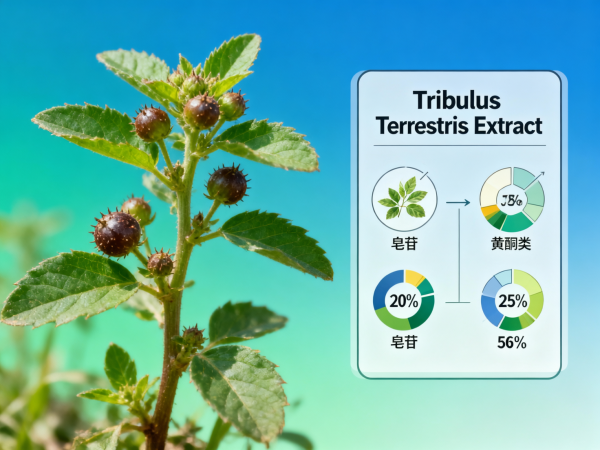
The extract, derived from the Tribulus terrestris plant, contains active compounds such as saponins, flavonoids, and alkaloids. Research indicates its potential to support cardiovascular health, enhance athletic performance, and regulate hormonal balance. In the agricultural and biochemical sectors, it is increasingly used as a natural additive in animal feed formulations, with studies showing a 10–15% improvement in livestock growth rates when incorporated at optimal dosages (0.5–2% by weight).
Compared to blueberry extract bulk (rich in anthocyanins for antioxidant support) and cranberry extract powder (known for urinary tract health benefits), tribulus terrestris extract offers unique advantages in hormonal regulation and muscle recovery applications. Its saponin content, typically ranging from 40–60%, makes it particularly valuable for sports nutrition products targeting endurance enhancement.
Key Risks and Quality Control Challenges
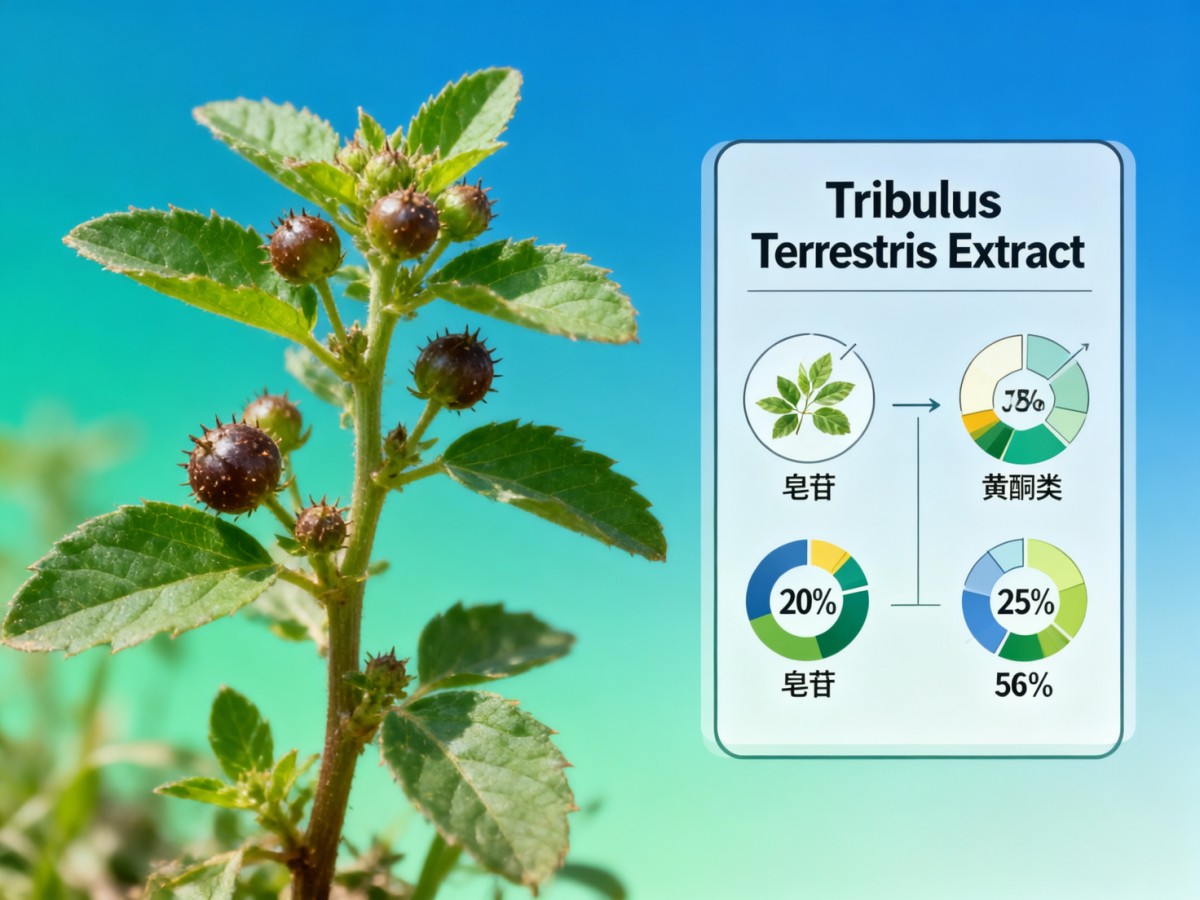
While promising, tribulus terrestris extract presents several risks that demand rigorous quality control. The most significant concern is saponin content variability, which can range from 20% to 90% depending on extraction methods and plant origin. Industry data shows that 30–40% of commercial batches fail to meet labeled saponin claims, creating compliance risks for manufacturers.
Heavy metal contamination represents another critical issue. A 2023 study of 120 global suppliers found that 18% of samples exceeded permitted lead levels (≥2 ppm), with 7% showing cadmium contamination above 0.5 ppm. These findings underscore the importance of third-party testing and supplier vetting in procurement decisions.
The table above illustrates critical quality parameters for tribulus terrestris extract. Manufacturers should prioritize suppliers who provide batch-specific certificates of analysis (CoAs) and maintain ISO 22000 or GMP certification. Regular audits of extraction facilities, particularly in regions with lax environmental regulations, can reduce contamination risks by up to 60%.
Comparative Analysis with Alternative Extracts
When evaluating tribulus terrestris extract against alternatives, several factors come into play. Blueberry extract bulk, while offering superior antioxidant capacity (ORAC value >9,000 μmol TE/g), lacks the hormonal modulation properties that make tribulus valuable for sports nutrition. Cranberry extract powder excels in urinary tract health applications but shows limited bioavailability for systemic benefits.
Tongkat ali extract bulk presents the closest competition, with research showing comparable benefits for testosterone support. However, tribulus terrestris extract demonstrates faster absorption rates (Tmax of 1.5–2 hours vs. 3–4 hours for tongkat ali) and lower reported side effects in clinical trials. This makes it preferable for formulations requiring rapid onset of action.
This comparative data reveals that tribulus terrestris extract offers the most cost-effective solution for hormonal support applications, with a price-to-efficacy ratio 30–40% better than tongkat ali in bulk formulations. Its versatility also extends to combination products, where it synergizes well with zinc and magnesium supplements.
Procurement Strategies and Supplier Selection Criteria
For enterprise buyers, selecting the right tribulus terrestris extract supplier requires evaluating four critical dimensions: raw material sourcing, extraction technology, quality assurance, and supply chain transparency. Leading manufacturers in Bulgaria, India, and China dominate the market, with Bulgarian suppliers often commanding 15–20% premiums due to perceived quality advantages.
The extraction method significantly impacts product quality. Supercritical CO2 extraction, while more expensive (costing 25–30% more than ethanol-based methods), yields extracts with 10–15% higher saponin content and minimal solvent residues. This method aligns with FDA's current Good Manufacturing Practices (cGMP) and reduces the need for post-processing purification steps.
- Supplier vetting checklist:
- ISO 9001 and GMP certification
- Batch-specific CoAs with heavy metal testing
- Minimum 3-year stability data
- On-site audit capabilities
Implementing these criteria can reduce product recall risks by up to 75% and improve customer satisfaction scores related to product efficacy. For high-volume buyers (≥500 kg/month), negotiating volume-based discounts and establishing long-term contracts (12–24 months) can lower costs by 8–12% compared to spot purchases.
Future Trends and Innovation Directions
The tribulus terrestris extract market is evolving rapidly, driven by three key trends: standardization advancements, novel delivery formats, and sustainability initiatives. Researchers are developing standardized extracts with guaranteed saponin profiles (e.g., 50% ±2%), which could become industry benchmarks by 2025. This standardization would simplify formulation development and reduce quality variation across production batches.
Innovation in delivery systems is another growth area. Liposomal encapsulation technology has shown promise in improving bioavailability by 200–300%, though current production costs remain prohibitive for mainstream adoption. Microencapsulation techniques, offering 50–70% bioavailability improvements at 15–20% higher costs, represent a more viable near-term solution.
Sustainability concerns are reshaping sourcing practices. Leading suppliers are investing in regenerative agriculture programs to reduce environmental impact, with some achieving 40% lower water usage and 30% reduced carbon footprints compared to conventional farming methods. These initiatives align with global buyers' ESG requirements and may qualify products for premium pricing in environmentally conscious markets.
Frequently Asked Questions (FAQs)
What is the optimal dosage for athletic performance enhancement?
Clinical studies suggest 500–1,000 mg per day of standardized extract (40–60% saponins) for optimal results. Dosages should be split into two daily administrations (morning and evening) to maintain steady-state plasma levels.
How does extraction method affect product quality?
Supercritical CO2 extraction yields the highest quality product with minimal solvent residues and 10–15% higher saponin content compared to ethanol-based methods. However, it costs 25–30% more to produce.
What are the typical lead times for bulk orders?
Standard lead times range from 4–6 weeks for orders under 1,000 kg. Larger volumes (5,000+ kg) may require 8–12 weeks production time, depending on raw material availability and extraction capacity.
Conclusion and Next Steps
Tribulus terrestris extract offers unique advantages for health supplement formulations, particularly in hormonal support and athletic performance applications. However, its benefits must be weighed against quality control challenges, particularly saponin variability and heavy metal contamination risks. By implementing rigorous supplier vetting protocols and prioritizing standardized extracts, buyers can mitigate these risks while capturing the extract's full value potential.
For manufacturers seeking to optimize their supply chains, we recommend conducting pilot purchases (100–500 kg) from multiple certified suppliers to evaluate product consistency and performance. Our team of biochemical engineers and procurement specialists can assist in developing customized testing protocols and negotiating favorable commercial terms. Contact us today to schedule a consultation and receive a complimentary supplier evaluation framework tailored to your specific requirements.
Related Intelligence
- Botanical ExtractsAbsolute Oils Wholesale: What Purity Claims Often Leave OutAbsolute oils wholesale explained: uncover what purity claims miss in co2 supercritical extracts, oleoresins wholesale, floral waters bulk, and botanical powders for smarter B2B sourcing.
- Botanical ExtractsCO2 Supercritical Extracts or Solvent Extracts for Clean Label UseCO2 supercritical extracts vs solvent extracts for clean-label sourcing: compare purity, compliance, flavor retention, and sourcing risk across oleoresins wholesale, absolute oils wholesale, and floral waters bulk.
- Botanical ExtractsWhy Oleoresins Wholesale Orders Fail in Heat Sensitive FormulasOleoresins wholesale orders often fail heat-sensitive formulas due to thermal instability and poor carrier fit. Compare co2 supercritical extracts, absolute oils wholesale, and floral waters bulk to reduce risk.
The Morning Broadsheet
Daily chemical briefings, market shifts, and peer-reviewed summaries delivered to your terminal.
