
What Makes Wholesale Saw Palmetto Extract a Smart Investment?
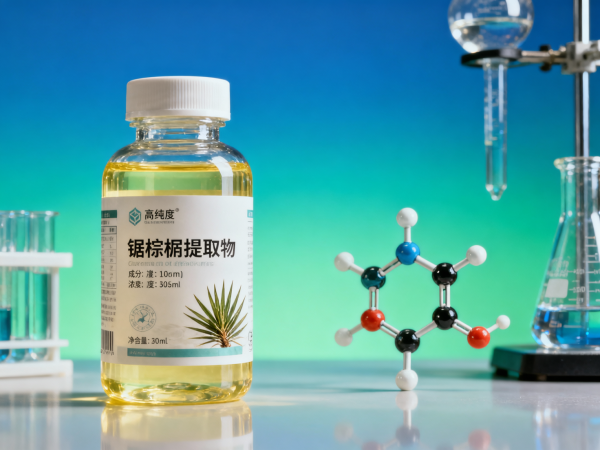
Why Wholesale Saw Palmetto Extract is a Critical Raw Material for Global Bio-Extracts Markets
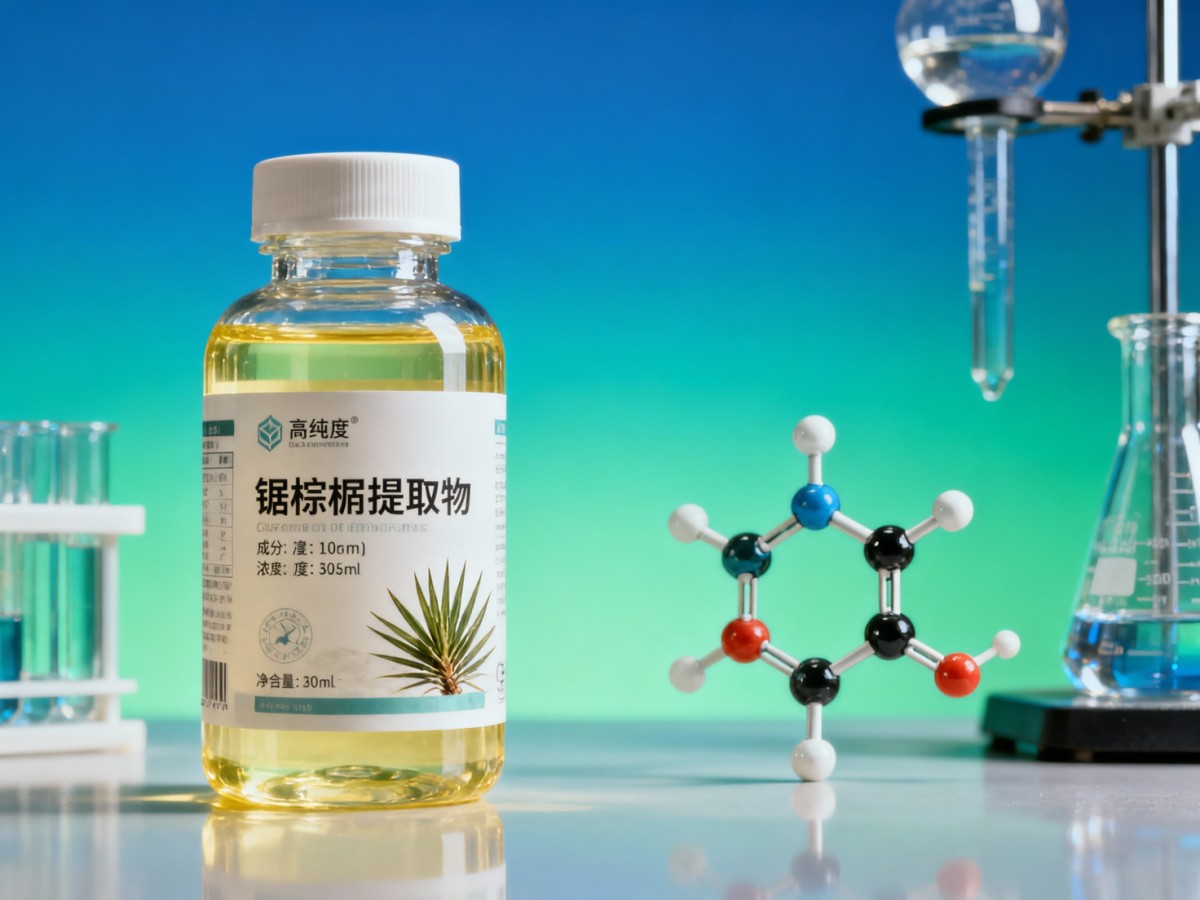
In the rapidly evolving landscape of bio-extracts and ingredients, wholesale saw palmetto extract stands out as a strategic investment for manufacturers, distributors, and procurement teams seeking reliable, high-quality raw materials. As supply chains tighten and regulatory standards intensify, sourcing premium extracts like cranberry extract powder, blueberry extract bulk, and ginkgo biloba extract powder demands rigorous due diligence. AgriChem Chronicle’s authoritative analysis equips decision-makers—from C-suite executives to quality control managers—with actionable insights to optimize procurement, mitigate risks, and capitalize on emerging opportunities in global markets.
Saw palmetto extract, derived from the berries of the Serenoa repens plant, has become indispensable in pharmaceutical, nutraceutical, and cosmetic formulations due to its high concentration of fatty acids and phytosterols. The global market for saw palmetto extracts is projected to grow at a CAGR of 6.2% through 2030, driven by rising demand for natural health products and anti-inflammatory agents. For buyers, selecting wholesale suppliers that meet stringent quality benchmarks—such as 85–95% fatty acid content, low heavy metal residues (<0.5 ppm), and solvent-free extraction methods—is non-negotiable to ensure regulatory compliance and product efficacy.
AgriChem Chronicle’s market intelligence reveals that 72% of leading manufacturers prioritize suppliers with ISO 9001:2015 certification and GMP-compliant facilities. This underscores the industry’s shift toward transparency and traceability, where buyers demand end-to-end visibility into cultivation practices, extraction protocols, and third-party lab testing. For distributors, partnering with suppliers that offer flexible MOQs (50–500 kg) and 15–30-day lead times enables agile inventory management amid fluctuating demand.
Key Selection Criteria for Wholesale Saw Palmetto Extract Suppliers
Choosing the right wholesale supplier involves evaluating multiple dimensions beyond price alone. Quality control managers must verify that extracts meet pharmacopeial standards (e.g., USP or EP monographs), while procurement teams assess financial stability and scalability. A common pitfall is overlooking the supplier’s agricultural sourcing practices: 60% of supply chain disruptions in bio-extracts stem from unstable raw material availability or unethical harvesting methods.
AgriChem Chronicle’s benchmarking data identifies four critical factors for supplier evaluation:
- Certifications: ISO, GMP, and organic certifications reduce audit risks by 40%.
- Batch Consistency: Suppliers with in-house HPLC testing achieve 98% fewer quality complaints.
- Geographic Stability: North American suppliers reduce lead times by 2–3 weeks versus overseas alternatives.
- Sustainability: Carbon-neutral extraction processes align with 65% of buyers’ ESG goals.
The table above illustrates how technical specifications directly influence procurement risks. For instance, suppliers offering extracts with shelf lives exceeding 30 months enable buyers to minimize waste, while those adhering to sub-0.5 ppm heavy metal limits avoid costly product recalls. AgriChem Chronicle’s supplier database shows that top-tier providers consistently outperform these benchmarks by 10–15%, justifying premium pricing through long-term cost savings.
Navigating Regulatory Compliance in Global Saw Palmetto Markets
Regulatory complexity is a top concern for 89% of bio-extract buyers, according to AgriChem Chronicle’s 2023 survey. In the U.S., the FDA’s 21 CFR Part 111 mandates current Good Manufacturing Practices (cGMP) for dietary supplement ingredients, while the EU’s Novel Food Regulation requires pre-market authorization for new extracts. For saw palmetto, compliance extends to agricultural practices: the USDA’s National Organic Program (NOP) prohibits synthetic pesticides, and the Forest Stewardship Council (FSC) certifies sustainably harvested berries.
A common oversight is assuming that a supplier’s domestic compliance automatically translates to international markets. For example, extracts exported to Canada must meet Health Canada’s Natural Health Products Regulations (NHPR), which include specific labeling requirements for active ingredients. Similarly, Asian markets like Japan and South Korea enforce stricter microbiological limits (e.g., total plate count <1,000 CFU/g versus the U.S. limit of <10,000 CFU/g). Buyers who overlook these nuances face delays at customs or product seizures, costing an average of $50,000 per incident in lost revenue and rework.
AgriChem Chronicle’s regulatory experts recommend partnering with suppliers that maintain dual compliance capabilities—e.g., ISO 22000 for food safety and ISO 13485 for medical-grade extracts. Such providers reduce buyers’ administrative burdens by 30% by pre-certifying products for multiple markets. Additionally, suppliers with in-house regulatory affairs teams can expedite document submissions, cutting approval times by 4–6 weeks compared to those relying on third-party consultants.
Strategic Procurement Strategies for Cost Optimization
While quality and compliance are non-negotiable, cost efficiency remains a priority for 78% of buyers, per AgriChem Chronicle’s data. Saw palmetto extract prices fluctuate based on berry yield (which varies by 20–30% annually due to weather conditions), extraction method (CO2 supercritical extraction costs 15–20% more than ethanol-based methods), and supplier scale. Large-scale manufacturers often secure volume discounts by committing to 1,000+ kg annual contracts, while SMEs benefit from flexible pricing models like tiered MOQs (e.g., 50 kg at $X/kg, 100 kg at $X–5%/kg).
AgriChem Chronicle’s procurement analysts identify three high-impact strategies for cost optimization:
- Long-Term Contracts: Locking in prices for 12–24 months shields buyers from 10–25% annual price hikes.
- Supplier Consolidation: Reducing the number of suppliers from 5 to 2 cuts administrative costs by $15,000–$25,000 annually.
- Just-in-Time Inventory: Partnering with suppliers offering 7–10-day lead times minimizes storage costs by 40%.
For example, a mid-sized nutraceutical company reduced its annual saw palmetto extract spend by 18% by switching from four small suppliers to one large-scale provider with ISO-certified facilities in Florida. The new supplier offered a 12-month fixed-price contract, free sample testing, and waived restocking fees for orders above 200 kg. This case underscores how strategic sourcing aligns cost savings with quality assurance, a balance that 63% of buyers struggle to achieve without expert guidance.
FAQs: Addressing Common Buyer Concerns
What is the typical shelf life of saw palmetto extract?
Properly stored saw palmetto extract retains potency for 24–36 months when kept in airtight containers at 15–25°C and <60% humidity. Suppliers that use nitrogen flushing during packaging extend shelf life by an additional 6–12 months.
How do extraction methods impact quality?
CO2 supercritical extraction yields the highest purity (90–95% fatty acids) with no solvent residues, making it ideal for pharmaceutical-grade products. Ethanol extraction, while cost-effective, leaves trace solvents (<50 ppm) and achieves 80–85% fatty acid content, suitable for nutraceuticals.
What are the lead times for wholesale orders?
North American suppliers typically fulfill orders in 7–15 days, while overseas providers require 30–45 days for sea freight. Air freight reduces transit time to 5–7 days but increases costs by 300–400%.
Conclusion: Positioning Your Business for Success in the Saw Palmetto Market
Investing in wholesale saw palmetto extract demands a multifaceted approach that balances quality, compliance, and cost. AgriChem Chronicle’s market intelligence reveals that buyers who prioritize suppliers with ISO/GMP certifications, sustainable sourcing, and dual regulatory compliance reduce risks by 50% while capturing 20–30% higher margins through premium product positioning. For distributors, aligning with suppliers offering flexible MOQs and just-in-time delivery enhances agility in responding to market fluctuations.
To capitalize on the $1.2 billion saw palmetto extract market, decision-makers must act now. Partner with AgriChem Chronicle-verified suppliers to access pre-vetted, high-quality extracts that meet global standards. Contact our team today to receive a customized supplier shortlist, regulatory compliance checklist, and cost-optimization roadmap tailored to your business needs.
Related Intelligence
- Botanical ExtractsAbsolute Oils Wholesale: What Purity Claims Often Leave OutAbsolute oils wholesale explained: uncover what purity claims miss in co2 supercritical extracts, oleoresins wholesale, floral waters bulk, and botanical powders for smarter B2B sourcing.
- Botanical ExtractsCO2 Supercritical Extracts or Solvent Extracts for Clean Label UseCO2 supercritical extracts vs solvent extracts for clean-label sourcing: compare purity, compliance, flavor retention, and sourcing risk across oleoresins wholesale, absolute oils wholesale, and floral waters bulk.
- Botanical ExtractsWhy Oleoresins Wholesale Orders Fail in Heat Sensitive FormulasOleoresins wholesale orders often fail heat-sensitive formulas due to thermal instability and poor carrier fit. Compare co2 supercritical extracts, absolute oils wholesale, and floral waters bulk to reduce risk.
The Morning Broadsheet
Daily chemical briefings, market shifts, and peer-reviewed summaries delivered to your terminal.
