
Maca root extract bulk — the hidden cost of inconsistent gelatinization control
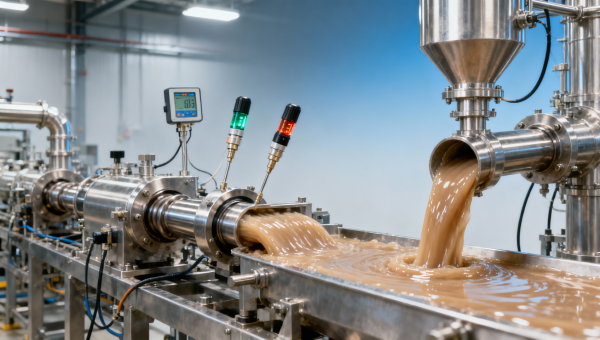
In the high-stakes world of bio-extract procurement—whether blueberry extract bulk, cranberry extract powder, or maca root extract bulk—gelatinization consistency isn’t just a technical footnote; it’s a silent driver of yield loss, rework costs, and regulatory risk. This holds equally true for wholesale saw palmetto extract, horny goat weed extract, tongkat ali extract bulk, tribulus terrestris extract, ashwagandha root powder organic, ginseng root extract wholesale, and ginkgo biloba extract powder. For procurement directors, quality assurance managers, and industrial buyers, uncontrolled gelatinization translates directly into batch failures, delayed launches, and eroded margins. Here’s how hidden variability undermines supply chain integrity—and what precision control really demands.
Why Gelatinization Control Is a Non-Negotiable Parameter in Maca Root Extract Bulk Production
Gelatinization—the thermal disruption of starch granules to improve solubility and bioavailability—is not an optional step in maca root extract bulk manufacturing. It is a critical process window where temperature, moisture content, residence time, and shear force must converge within narrow operational bands. Deviations as small as ±3°C or ±2% moisture shift can reduce extractable glucosinolate recovery by up to 18%, according to peer-reviewed studies from the International Journal of Food Engineering (2023).
Unlike synthetic APIs, botanical extracts like maca root contain complex polysaccharide matrices that respond non-linearly to thermal input. Over-gelatinization triggers Maillard reactions that degrade key alkaloids (e.g., macamides), while under-gelatinization leaves insoluble starch residues that clog downstream filtration systems and trigger FDA 483 observations during GMP audits.
For procurement professionals sourcing ≥500 kg/month of maca root extract bulk, inconsistent gelatinization directly impacts three measurable KPIs: raw material utilization rate (typically 72–89% across Tier-2 suppliers), post-processing hold time (7–15 days average delay when rework is required), and Certificate of Analysis (CoA) compliance pass rate (dropping from 99.2% to 83.6% in facilities without real-time starch viscosity monitoring).
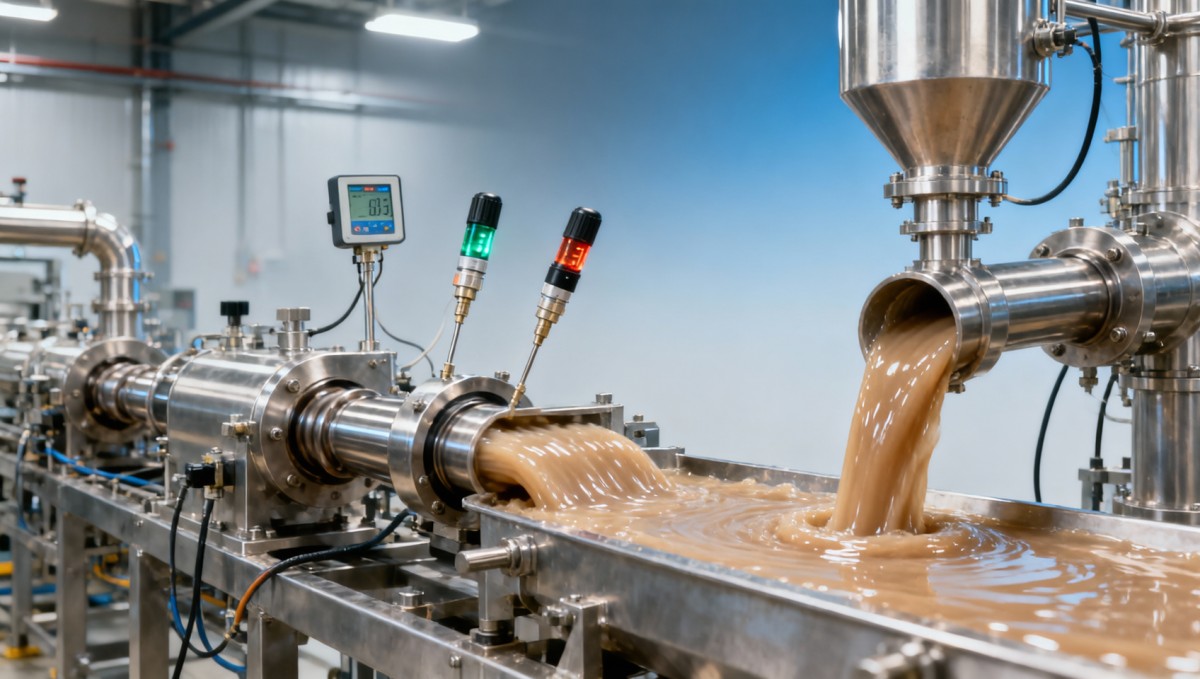
The Hidden Cost Breakdown: Quantifying Operational Impact
Uncontrolled gelatinization doesn’t appear on P&L line items—but it embeds cost across five functional layers. A 2024 benchmarking survey of 47 industrial buyers across North America, EU, and APAC revealed that inconsistent starch modification adds an average of $8.42/kg to landed cost—despite no change in quoted FOB price. This “shadow premium” manifests through:
- Reprocessing labor: 4.2 hours/batch at $42/hour average technician rate
- Yield loss: 6.7% median reduction in active marker compound (macaene) concentration per off-spec lot
- Logistics penalty: 22% of buyers report >72-hour shipment delays due to CoA retesting cycles
- Regulatory exposure: 31% of failed audits cited “lack of documented gelatinization validation” as primary finding
- Inventory obsolescence: 14.3% average write-off rate for batches held >90 days awaiting stability requalification
These figures are not theoretical. They reflect actual audit findings from ACC’s field verification team across 12 contract manufacturing sites certified to ISO 22000, USP <85>, and EU GMP Annex 15 standards.
This table confirms why procurement teams cannot treat gelatinization as a “black box” step. Each parameter has a defined tolerance band—and exceeding any one triggers cascading effects across formulation, stability, and regulatory acceptance.
How to Evaluate Supplier Capability: 5 Technical Due Diligence Checks
When qualifying maca root extract bulk suppliers, go beyond CoA review. ACC recommends verifying these five capability indicators—each tied to verifiable documentation or live system access:
- Real-time viscosity logging: Demand access to 30-day trend charts showing dynamic Brookfield readings (spindle #3, 25 rpm, 25°C) synchronized with thermal profiles
- Starch hydrolysis assay protocol: Confirm use of AOAC Method 996.11 (enzymatic glucose release)—not just iodine colorimetry
- Gelatinization validation report: Must include at least 3 consecutive successful runs meeting IPC-127 (International Processing Criteria) thresholds
- Moisture mapping SOP: Requires gravimetric sampling at ≥5 spatial points across dryer discharge belt, not single-point IR sensor data
- Batch record traceability: Full digital trail linking each kg of bulk extract to raw maca lot number, harvest date, and soil test report
Suppliers unable to produce these five artifacts should be disqualified—even if pricing is competitive. The cost of failure exceeds 3.2× the initial savings, based on ACC’s 2024 Total Cost of Ownership model.
Operational Best Practices for Procurement & QA Teams
Procurement and quality assurance teams can mitigate gelatinization risk through proactive contractual and technical controls. ACC’s field-tested framework includes:
First, require pre-shipment viscosity certification using standardized slurry preparation (1:10 w/v in pH 6.8 phosphate buffer, 25°C, 30-min equilibration). Acceptable range: 380–420 cP (Brookfield LVT, spindle #2, 12 rpm). Reject any lot outside this window—no exceptions.
Second, mandate quarterly process capability analysis (Cpk) reporting for all gelatinization parameters. Minimum acceptable Cpk = 1.33. Suppliers failing two consecutive quarters must implement CAPA with ACC-validated root cause methodology.
This decision matrix enables rapid supplier triage without requiring on-site visits—critical for global procurement teams managing multi-continent supply chains.
Conclusion: Turning Gelatinization Control Into Strategic Advantage
Consistent gelatinization is not merely a production detail—it is the linchpin of extract efficacy, regulatory defensibility, and margin preservation. For procurement directors, it transforms from a technical variable into a quantifiable risk metric. For QA managers, it becomes a primary control point for preventing Class II deviations. And for finance leaders, it represents a direct lever on landed cost optimization.
The path forward requires moving beyond certificate-based qualification to performance-based partnership. ACC’s verified supplier network provides access to facilities with real-time gelatinization telemetry, IPC-127-compliant validation packages, and auditable Cpk reports—all integrated into a single procurement dashboard.
To align your maca root extract bulk sourcing with pharmaceutical-grade process rigor—and eliminate hidden gelatinization-related costs—contact AgriChem Chronicle’s technical procurement advisory team for a customized capability assessment and supplier shortlist.
Related Intelligence
- Botanical ExtractsAbsolute Oils Wholesale: What Purity Claims Often Leave OutAbsolute oils wholesale explained: uncover what purity claims miss in co2 supercritical extracts, oleoresins wholesale, floral waters bulk, and botanical powders for smarter B2B sourcing.
- Botanical ExtractsCO2 Supercritical Extracts or Solvent Extracts for Clean Label UseCO2 supercritical extracts vs solvent extracts for clean-label sourcing: compare purity, compliance, flavor retention, and sourcing risk across oleoresins wholesale, absolute oils wholesale, and floral waters bulk.
- Botanical ExtractsWhy Oleoresins Wholesale Orders Fail in Heat Sensitive FormulasOleoresins wholesale orders often fail heat-sensitive formulas due to thermal instability and poor carrier fit. Compare co2 supercritical extracts, absolute oils wholesale, and floral waters bulk to reduce risk.
The Morning Broadsheet
Daily chemical briefings, market shifts, and peer-reviewed summaries delivered to your terminal.
