

The Authority in Global Agricultural Chemistry & Bio-Resources
FDA Tightens Botanical Extracts Oversight for US Imports
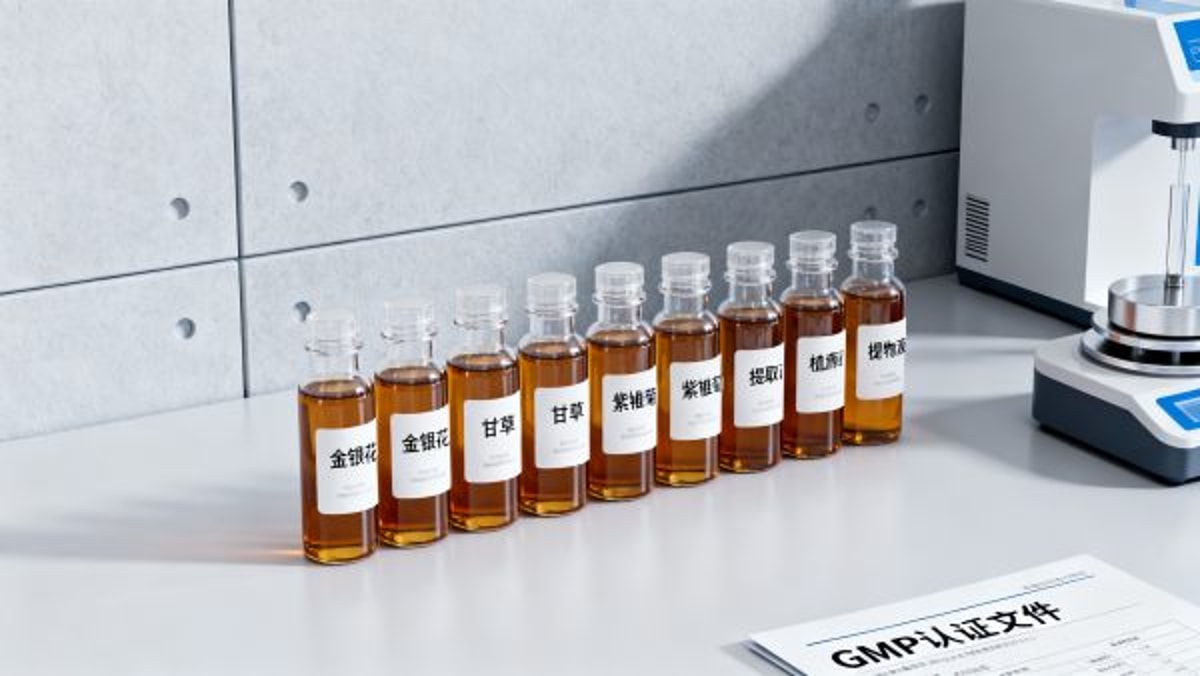
FDA launched a targeted inspection initiative for botanical extracts entering the U.S. on May 1, 2026 — with immediate implications for exporters, suppliers, and distributors of plant-based ingredients, particularly those operating in or sourcing from China. As the largest supplier of such extracts to the U.S. (68% market share), Chinese enterprises face heightened compliance demands, especially around traceability and contaminant testing.
Event Overview
On May 1, 2026, the U.S. Food and Drug Administration (FDA) initiated a new专项 inspection program focused exclusively on imported botanical extracts. The program mandates on-site verification of three analytical parameters: heavy metals, pesticide residues, and microbial resistance profiles. For the first time, FDA requires importers to submit a complete secondary-level raw material traceability chain — including land ownership documentation, harvest records, and GMP certification of primary processors — covering the full path from cultivation site to finished extract.
Industries Affected
Direct Exporters & Trading Companies
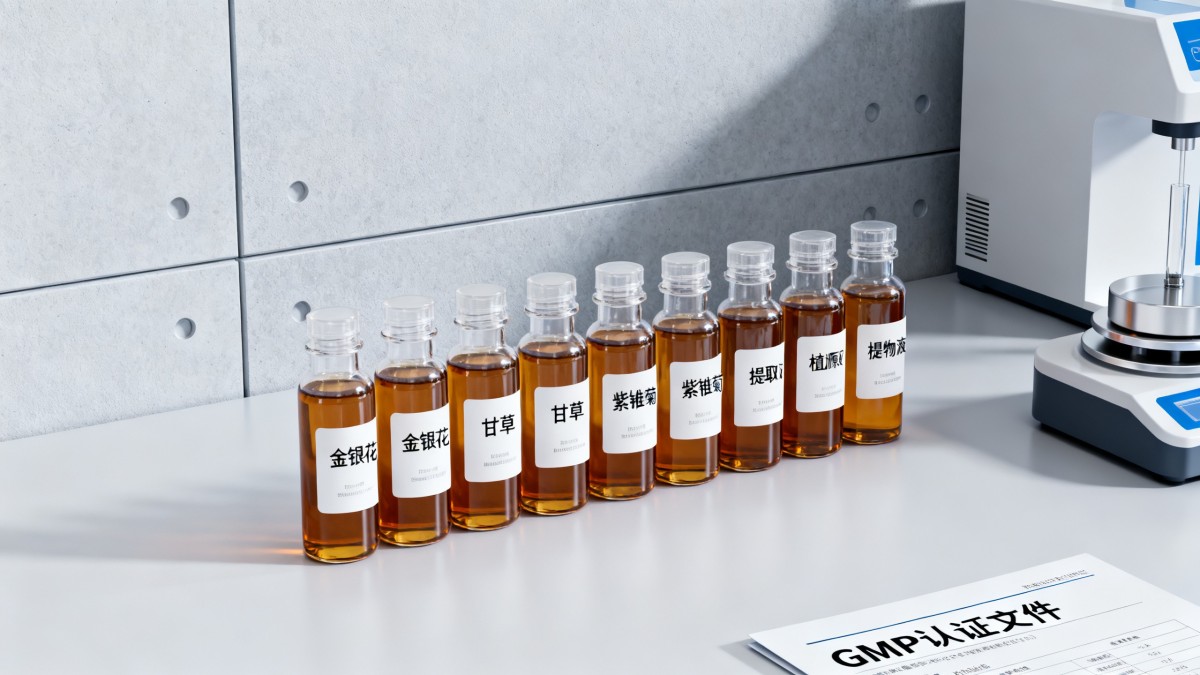
Exporters shipping botanical extracts to the U.S. are directly responsible for documentation submission and facility readiness. Non-compliance triggers detention or refusal at U.S. ports; recent data from the Port of Los Angeles shows a 12.7% rejection rate over the past three weeks, concentrated among honeysuckle, licorice, and echinacea extracts.
Raw Material Sourcing Firms
Companies procuring herbs from domestic growers must now verify and retain land title evidence and harvest logs — information historically not standardized or routinely collected. Gaps in upstream documentation directly compromise downstream export eligibility.
Extraction & Manufacturing Facilities
Contract manufacturers producing botanical extracts must demonstrate alignment between their input materials and the documented secondary supply chain. Facilities lacking formal GMP certification for primary processing (e.g., drying, crude extraction) may no longer qualify as compliant suppliers under the new requirement.
Distribution & Import Agents
U.S.-based importers and customs brokers handling botanical extracts bear regulatory responsibility under FDA’s Foreign Supplier Verification Program (FSVP). They must now validate that foreign suppliers maintain verifiable, auditable secondary traceability — increasing due diligence workload and liability exposure.
What Enterprises Should Monitor and Do Now
Track official FDA guidance updates and enforcement patterns
While the May 1, 2026 launch date is confirmed, FDA has not yet published detailed implementation protocols (e.g., acceptable formats for land ownership proof, minimum retention periods for harvest logs). Enterprises should monitor FDA’s Industry Guidance Portal and import alert notices for clarifications.
Prioritize high-risk categories and entry points
Current enforcement focus is clearest for honeysuckle, licorice, and echinacea extracts entering via major West Coast ports — especially Los Angeles. Companies exporting these items should conduct internal readiness reviews before shipment and consider pre-clearance sampling.
Distinguish policy intent from operational rollout
The secondary traceability requirement reflects a structural shift — not just an audit tactic. Analysis shows this is likely a precursor to broader FSMA 204 traceability rule alignment for dietary supplement ingredients. However, full digital traceability mandates (e.g., electronic records, interoperable systems) are not yet enforced.
Strengthen documentation collection and cross-tier coordination
Enterprises should immediately map their current supply chain down to the farm level for priority SKUs, identify documentation gaps (e.g., missing GMP certificates from initial processors), and initiate dialogue with upstream partners to co-develop compliant recordkeeping practices — rather than waiting for port-level detentions.
Editorial Perspective / Industry Observation
Observably, this initiative signals a transition from outcome-based compliance (e.g., passing lab tests) to process-based accountability — where verifiable origin and handling history carry equal weight to analytical results. It is not yet a finalized regulation, but a field-enforced expectation backed by measurable port outcomes (e.g., 12.7% rejection rate). From an industry perspective, it functions less as a one-off audit wave and more as an early indicator of tightening FDA oversight across the entire botanical ingredient value chain — particularly where China remains the dominant source. Continued monitoring is warranted, as similar requirements may extend to other high-volume herbal categories or align with upcoming revisions to the Dietary Supplement CGMPs.
Conclusion
This FDA action marks a concrete escalation in traceability expectations for botanical extract exports to the U.S. It does not introduce new safety thresholds, but significantly raises evidentiary standards for origin and processing integrity. For affected stakeholders, it is best understood not as a temporary hurdle, but as a durable shift in regulatory baseline — one that rewards proactive documentation alignment over reactive correction.
Information Sources
Main source: U.S. FDA public announcement (May 1, 2026); Port of Los Angeles customs inspection data (reported May 2026); U.S. Census Bureau trade statistics (2025 fiscal year).
Note: Implementation details — including acceptable documentation formats and phased enforcement timelines — remain under observation and are subject to further FDA clarification.
Related Intelligence
- Botanical ExtractsANVISA Mandates Two-Tier Traceability for Botanical Extracts Imports to BrazilANVISA's two-tier traceability mandate for botanical extracts takes effect May 2026—ensure compliance, avoid port delays, and secure Brazil market access.
- Botanical ExtractsFDA Tightens Botanical Extracts Oversight for US ImportsFDA tightens botanical extracts oversight for US imports—critical for Chinese exporters. Discover new traceability, testing & compliance requirements now.
- Botanical ExtractsFDA Updates Import Alert for Botanical Extracts from ChinaFDA updates Import Alert 54-12: Botanical extracts from China now face DWPE over heavy metals & pesticide residues—act now to ensure GAP compliance and 12-analyte testing.
The Morning Broadsheet
Daily chemical briefings, market shifts, and peer-reviewed summaries delivered to your terminal.
