

The Authority in Global Agricultural Chemistry & Bio-Resources
Ocean Alliance Raises Aeration & Water Tech Freight Rates by 18%
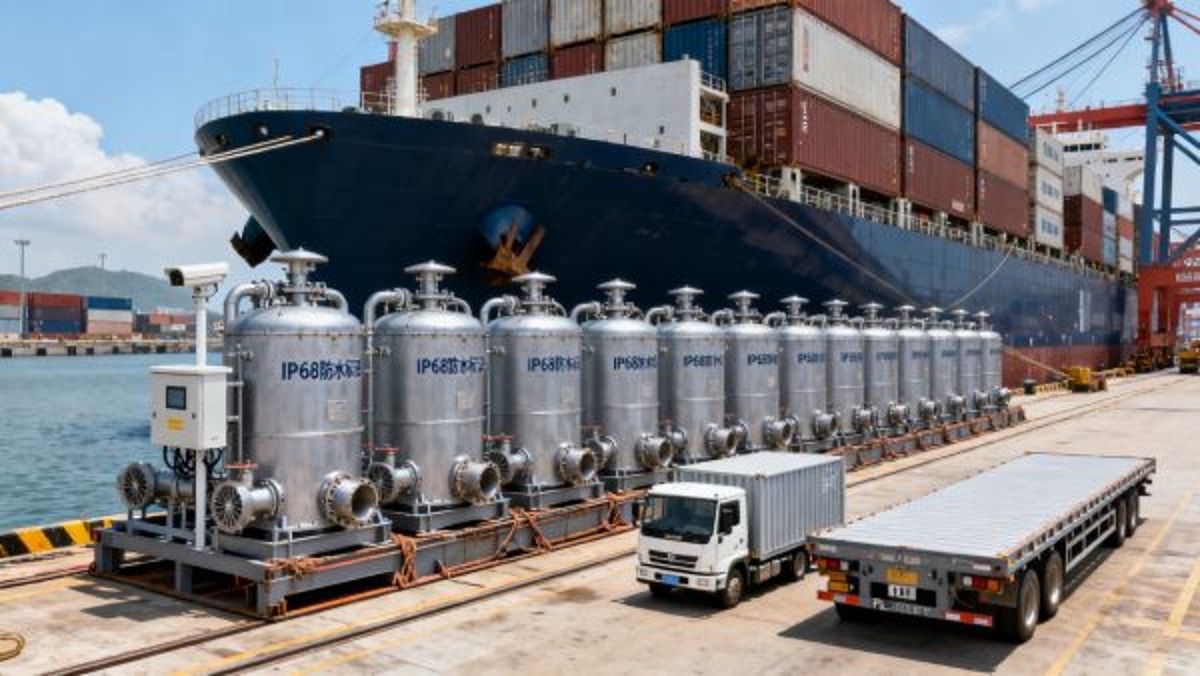
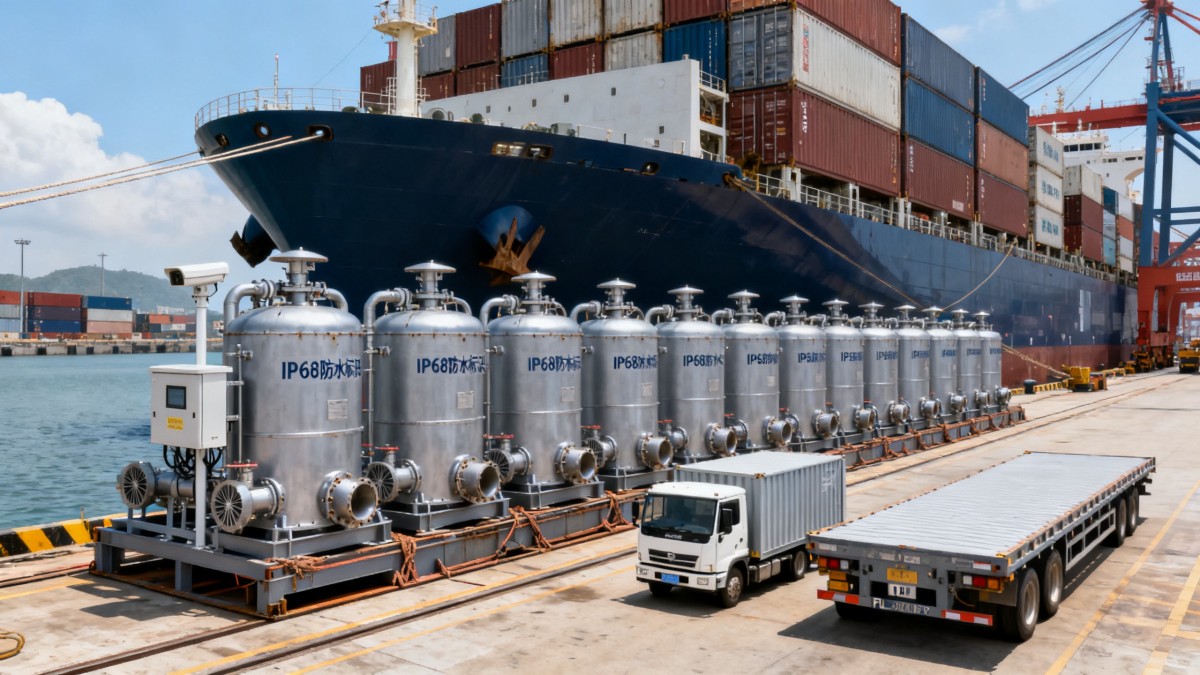
On May 1, 2026, The Ocean Alliance — comprising Maersk, CMA CGM, Hapag-Lloyd, and six other major carriers — implemented an 18% freight rate increase for specialized heavy-lift containers (OW/OT) carrying Aeration & Water Tech equipment on Asia-Pacific–Middle East routes. This adjustment directly affects exporters and importers of high-value water infrastructure equipment, including aerators, submersible pumps, and smart water quality monitoring stations. Stakeholders in water technology manufacturing, environmental engineering services, and international project logistics should monitor implications for cost, lead time, and supply chain resilience.
Event Overview
Effective May 1, 2026, The Ocean Alliance announced a uniform 18% surcharge on ocean freight for Open Top (OT), Flat Rack (FR), and Platform (PL) containers transporting Aeration & Water Tech equipment between Asia-Pacific and the Middle East. The adjustment applies to both 20-foot and 40-foot specialized units. The alliance cited sustained Red Sea crisis-related increases in Suez Canal bypass fuel surcharges and marine insurance premiums as the primary justification. Booking lead times at major Yangtze River Delta and Pearl River Delta ports have extended to 7–10 working days.
Impact on Specific Industry Segments
Water Technology Equipment Manufacturers
Manufacturers exporting aerators, submersible pumps, or intelligent water monitoring systems face immediate landed cost inflation. Since OW/OT containers are mandatory for oversized or non-stackable units, the 18% increase applies broadly across finished goods shipments — not just raw materials or components. Margins may compress unless pricing or incoterms are adjusted accordingly.
Environmental Engineering Contractors & EPC Firms
Firms delivering turnkey water treatment or desalination projects in the Middle East rely on predictable container availability and freight costs. Extended port booking windows (7–10 days) introduce scheduling uncertainty for time-sensitive project milestones. Delays in equipment arrival may trigger contractual penalties or require costly air-freight substitution for critical items.
International Project Logistics Providers
Third-party logistics providers coordinating multimodal transport for water infrastructure projects must now recalculate routing economics. The rate hike compounds existing volatility in bunker cost pass-throughs and war risk insurance premiums. Capacity allocation for OT/FR/PL units — already constrained — is further strained, requiring earlier slot reservations and tighter coordination with carrier partners.
Importers & Distributors in the Middle East
Distributors sourcing Aeration & Water Tech gear from China face higher landed costs and longer procurement cycles. With no alternative mainstream container options for these oversized devices, the cost increase cannot be easily absorbed or mitigated via standard dry container substitution. Inventory planning models must now incorporate extended transit visibility and higher landed cost assumptions.
What Relevant Enterprises or Practitioners Should Monitor and Do Now
Track official carrier communications for duration and scope clarity
The Ocean Alliance announcement does not specify an end date or conditions for reversal. Stakeholders should monitor updates from individual member lines (e.g., Maersk’s BAF notices, CMA CGM’s surcharge bulletins) for potential regional exceptions, phased implementation, or linkage to future Suez Canal reopening scenarios.
Review current bookings for upcoming shipments of key equipment categories
Focus specifically on aerators, submersible pumps, and modular water quality stations scheduled for Asia–Middle East movement between May and August 2026. Assess whether pre-May 1 booking commitments (if any) remain valid under revised tariff structures — especially where contracts reference ‘all-in’ rates or fixed BAF terms.
Distinguish between surcharge application and actual container availability constraints
The 18% increase reflects a tariff adjustment, but the observed 7–10-day booking delay signals a separate capacity bottleneck. Enterprises should treat rising costs and tightening slots as two distinct operational challenges — one financial, one logistical — requiring separate mitigation plans (e.g., cost renegotiation vs. early slot locking or inland depot staging).
Prepare contingency documentation and communication protocols with clients and suppliers
Contractors and distributors should proactively update delivery timelines in client-facing documents and internal procurement trackers. Where incoterms include freight cost responsibility (e.g., CIF, DAP), formal notifications referencing the Ocean Alliance announcement may support timeline or cost adjustment requests under force majeure or change-in-cost clauses — subject to contract language review.
Editorial Perspective / Industry Observation
Observably, this rate adjustment is less a standalone pricing decision and more a structural signal: it confirms that Red Sea disruption has transitioned from a short-term contingency into a persistent cost driver embedded in core tariff structures. Analysis shows the 18% figure aligns closely with cumulative BAF and war risk insurance uplifts reported across multiple carriers since Q4 2025 — suggesting the move formalizes what was already being charged incrementally. From an industry perspective, it marks the first coordinated, alliance-level action targeting a specific equipment category rather than a broad route or trade lane. That specificity implies growing carrier attention to high-value, low-volume cargo segments where margin sensitivity and container specialization intersect. Current developments are best understood not as a temporary spike, but as a recalibration of baseline cost expectations for specialized water infrastructure logistics.
This notice underscores how geopolitical instability reshapes commercial logistics far beyond headline fuel costs — embedding itself in equipment-specific tariffs, booking lead times, and contractual risk allocation. It reflects a shift from reactive surcharging to proactive tariff segmentation — a trend likely to expand to other niche heavy-lift or temperature-controlled verticals if route volatility persists.
Information Sources
Main source: Official joint statement issued by The Ocean Alliance on May 1, 2026, confirming the 18% freight increase for OW/OT containers carrying Aeration & Water Tech equipment on Asia-Pacific–Middle East services.
Points requiring ongoing observation: Duration of the surcharge; potential extension to other trade lanes (e.g., Asia–Europe); carrier-specific implementation details (e.g., effective dates for individual members beyond May 1).
Related Intelligence
- Aeration & Water TechOcean Alliance Raises Aeration & Water Tech Freight Rates by 18%Aeration & Water Tech freight rates surge 18% by Ocean Alliance—impacting aerators, pumps & smart monitoring gear. Act now to mitigate costs & delays.
- Aeration & Water TechWater treatment chemicals bulk supply: signs a vendor may not be stableWater treatment chemicals bulk buyers: learn the warning signs of an unstable vendor, from price swings and quality drift to weak compliance and delivery risk.
- Aeration & Water TechSwimming pool chlorine tablets wholesale: is slower dissolve always better?Swimming pool chlorine tablets wholesale: discover why slower dissolve is not always better, and how smart buyers compare dosing performance, compliance, and total operating cost.
The Morning Broadsheet
Daily chemical briefings, market shifts, and peer-reviewed summaries delivered to your terminal.
