

The Authority in Global Agricultural Chemistry & Bio-Resources
Why bulk polyacrylamide PAM performance varies in real water conditions
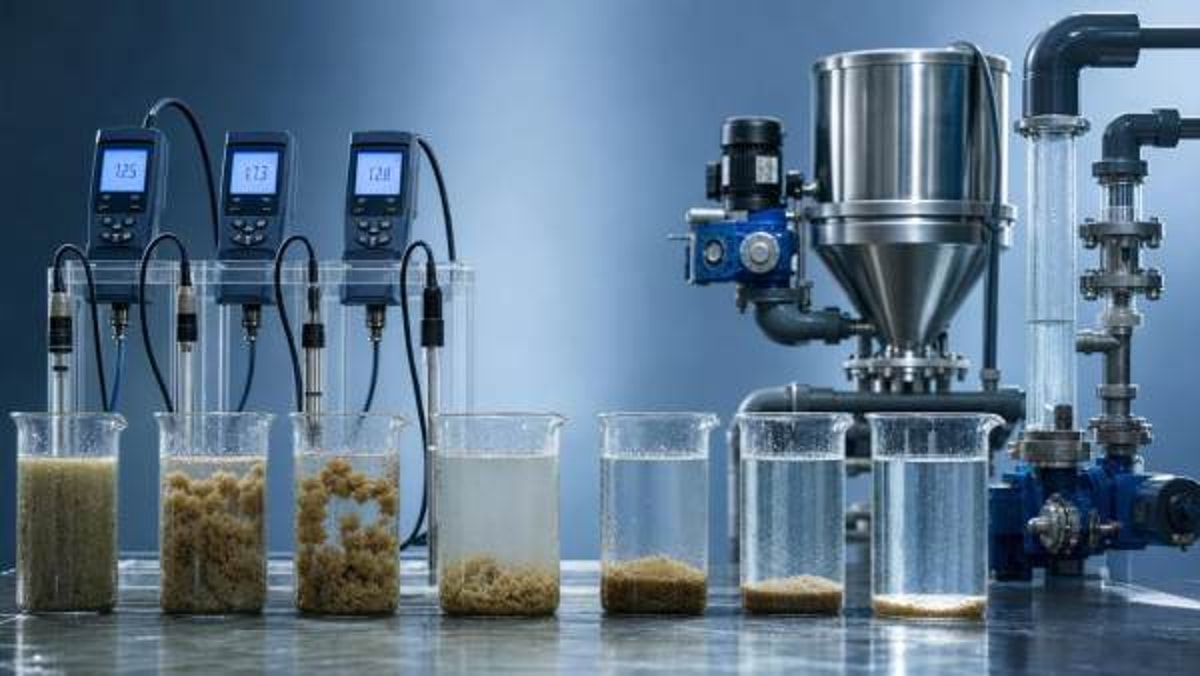
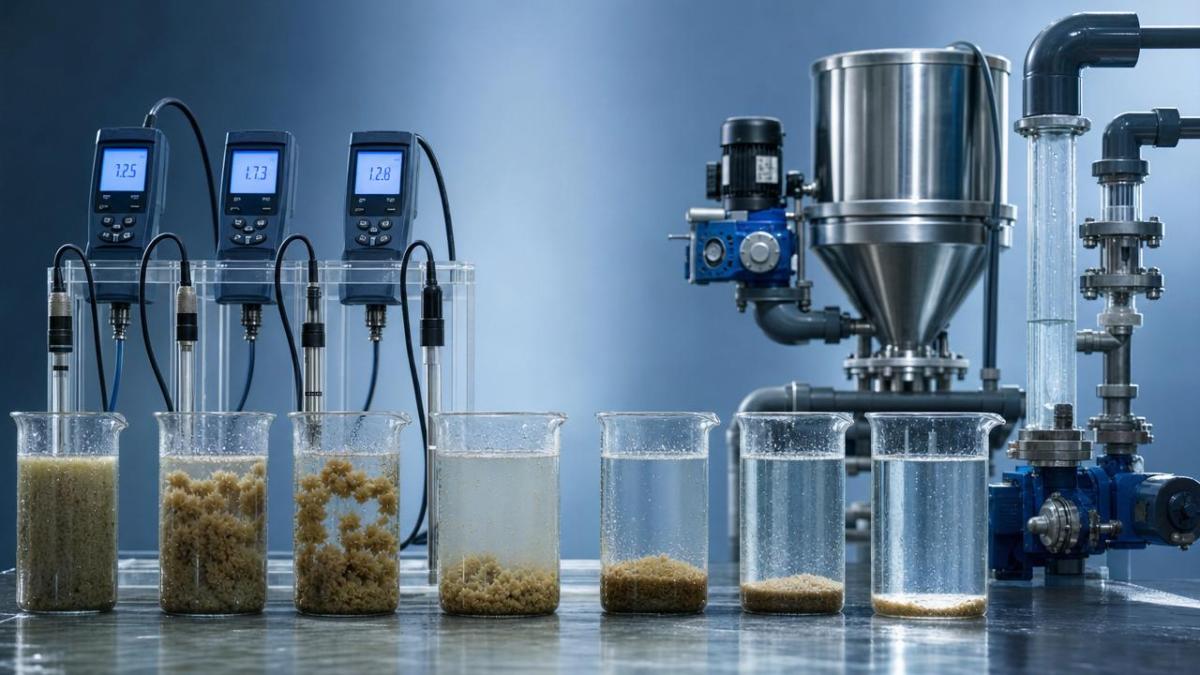
Why does bulk polyacrylamide PAM perform well in one water source but poorly in another? For operators and treatment users, real-world water chemistry, suspended solids, pH, salinity, and dosing conditions can all change flocculation efficiency. This article explains the key factors behind these performance differences and helps you evaluate, select, and apply PAM more effectively under actual operating conditions.
Understanding why performance changes outside the lab
In practical treatment work, bulk polyacrylamide PAM is rarely applied to ideal water. Operators deal with river water after rain, recycled process water with unstable conductivity, pond water rich in organics, slurry streams loaded with fines, and industrial wastewater that may shift from acidic to alkaline within hours. Under these conditions, the same product can produce very different settling rates, floc size, sludge dewatering behavior, and filtrate clarity.
This variability matters across the broader primary industries and fine chemical value chain covered by AgriChem Chronicle. In agriculture, aquaculture, feed processing, and biochemical manufacturing, water quality directly affects throughput, compliance, product safety, and operating cost. For users and plant operators, understanding how bulk polyacrylamide PAM interacts with real water matrices is more valuable than relying on simplified dosage charts or generic product descriptions.
At its core, PAM is a flocculant polymer. Its job is to destabilize suspended particles, bridge solids together, and improve separation. But its effectiveness depends on whether the polymer’s charge type, molecular weight, dissolution quality, and dose match the actual contaminants in the water. When they do not match, operators may see overconsumption, poor clarification, sticky sludge, or inconsistent sludge cake solids.
What bulk polyacrylamide PAM is expected to do in water treatment
Bulk polyacrylamide PAM is typically supplied for large-volume treatment systems where efficiency and consistency are essential. Depending on formulation, it may be anionic, cationic, or nonionic. Each type is designed for different particle charges and separation objectives. In clear terms, the polymer is expected to support one or more of the following functions:
- Improve coagulation and floc growth after a coagulant is added.
- Accelerate sedimentation in clarifiers or thickeners.
- Enhance sludge dewatering in belt press, centrifuge, or filter press systems.
- Reduce turbidity and suspended solids in process or discharge water.
- Stabilize treatment performance when feed water quality is moderately variable.
The challenge is that real water often contains competing ions, natural organic matter, oil, colloids, or biological residues that interfere with polymer action. As a result, successful application depends less on the product name alone and more on fit-for-purpose evaluation.
Key water factors that change flocculation efficiency
Several water characteristics strongly influence how bulk polyacrylamide PAM behaves. Operators who monitor these factors usually troubleshoot faster and optimize dosage more accurately.
1. Suspended solids concentration and particle size
Waters with high suspended solids often need a different polymer strategy than lightly turbid water. Fine clay, silt, biomass, or mineral particles present different surface areas and charge densities. Very fine particles are harder to bridge, so a polymer that works in one slurry may fail in another even when turbidity values appear similar.
2. pH and alkalinity
pH affects particle surface charge, metal hydrolysis, and the ionization behavior of treatment chemicals. In acidic or highly alkaline water, the polymer may not interact with solids in the same way it does at neutral conditions. Alkalinity also matters because it influences coagulant performance and the stability of the floc structure.
3. Salinity, hardness, and conductivity
High dissolved salt levels compress electrical double layers and can either help or hinder separation, depending on the system. Hardness ions such as calcium and magnesium may alter polymer conformation in solution. In brackish or recycled water, bulk polyacrylamide PAM may need a different ionic character or dilution procedure than in freshwater.
4. Organic load and oils
Natural organics, proteins, fermentation residues, fats, or oil emulsions compete for treatment chemistry. They can coat solids, consume coagulants, or create weak, floating flocs. In these cases, polymer alone cannot compensate for poor upstream conditioning.
5. Temperature
Cold water slows dissolution and mixing, and it often reduces collision frequency between particles. A dosage that works during warm months may underperform in winter, particularly in outdoor agricultural and aquaculture operations.
A practical overview of real-water influences
The table below summarizes common water variables and how they may change field performance of bulk polyacrylamide PAM.
Why the same product works differently across industries
Although bulk polyacrylamide PAM is widely used, its operating context differs substantially by sector. That is why a product validated in one plant should not be assumed to transfer directly to another.
In feed and grain processing, suspended starches, proteins, and wash solids can create soft flocs that shear easily. In aquaculture systems, bio-solids and dissolved organics often dominate, and salinity may range from freshwater to marine conditions. In agricultural runoff control, solids loading can spike dramatically after rainfall events. In fine chemical or biochemical operations, pH swings and residual process chemicals may interfere with polymer adsorption.
For these reasons, operators should view bulk polyacrylamide PAM not as a universal cure, but as one part of a water-specific treatment program. The product choice must match both the contamination profile and the separation goal, whether that goal is clarification, thickening, dewatering, or solids capture.
Typical application categories and what users should expect
A structured way to evaluate bulk polyacrylamide PAM is to group applications by treatment objective rather than by product label alone.
Common operational reasons for disappointing results
Not every performance issue is caused by the chemistry of the water alone. In many facilities, the main problem is application quality. Bulk polyacrylamide PAM is sensitive to preparation and feed conditions, so small handling errors can create large treatment differences.
- Incomplete dissolution, which leaves fisheyes or undispersed gel particles.
- Over-aggressive mixing after dosing, which breaks formed flocs.
- Feeding the polymer at the wrong point in relation to coagulants or pH adjustment chemicals.
- Applying too high a dose, causing restabilization or sticky sludge behavior.
- Using jar test results from old samples that no longer represent live process water.
Operators should also remember that “more polymer” is not equal to “better separation.” Once the optimum range is exceeded, floc quality can decline rapidly. This is especially common when teams react to cloudy overflow by increasing dose without checking pH, coagulant performance, or changes in feed solids.
How to evaluate bulk polyacrylamide PAM under actual site conditions
The most reliable way to predict field performance is to test under water conditions that closely resemble daily operation. For users and supervisors, a strong evaluation program should include:
- Sampling water at different times, including peak load periods, not only average conditions.
- Measuring pH, conductivity, turbidity, temperature, and solids before treatment trials.
- Comparing multiple polymer types or grades, including different charge densities.
- Testing the full treatment sequence, especially if coagulants or pH correction are used.
- Recording results that matter operationally, such as settling time, sludge release, filtrate clarity, and equipment cleanliness.
This approach helps distinguish whether the limitation comes from polymer selection, dose control, water variability, or the broader treatment design. In regulated and performance-sensitive sectors, that distinction is essential for both cost control and compliance confidence.
Practical selection and usage guidance for operators
When selecting or adjusting bulk polyacrylamide PAM, start with the process objective and the real water profile. If the main challenge is mineral fines, the best solution may differ from a system dominated by biological sludge or oily organics. Keep the following principles in mind:
- Match polymer chemistry to particle charge and treatment goal.
- Control make-down concentration and aging time to ensure full activation.
- Protect the formed floc by avoiding unnecessary shear after dosing.
- Track seasonal and source-water changes instead of assuming year-round stability.
- Use operating data to refine dosage windows, not single-point assumptions.
For larger sites, it is also useful to maintain a simple decision log linking raw water changes to polymer performance. Over time, this gives operators a practical database for anticipating failures and improving consistency.
Conclusion and next-step thinking
Performance differences in bulk polyacrylamide PAM are not random. They usually reflect a combination of water chemistry, solids character, treatment objectives, and application quality. Real water conditions can change the way polymer chains dissolve, adsorb, bridge, and build floc. That is why a product that performs excellently in one source may struggle in another.
For treatment users and operators, the practical takeaway is clear: evaluate bulk polyacrylamide PAM against actual process conditions, not only supplier specifications or laboratory assumptions. When water quality, dosing sequence, and operational handling are aligned, PAM can deliver strong clarification and dewatering value. When they are not, even a high-quality product may appear unreliable.
If your system shows unstable flocculation, variable sludge behavior, or inconsistent settling, the best next step is a structured field review of water characteristics, current chemistry, and dosing practice. That method leads to better decisions than simply increasing consumption, and it supports safer, more efficient treatment across agriculture, aquaculture, feed, and fine chemical operations.
Related Intelligence
- Aeration & Water TechOcean Alliance Raises Aeration & Water Tech Freight Rates by 18%Aeration & Water Tech freight rates surge 18% by Ocean Alliance—impacting aerators, pumps & smart monitoring gear. Act now to mitigate costs & delays.
- Aeration & Water TechWater treatment chemicals bulk supply: signs a vendor may not be stableWater treatment chemicals bulk buyers: learn the warning signs of an unstable vendor, from price swings and quality drift to weak compliance and delivery risk.
- Aeration & Water TechSwimming pool chlorine tablets wholesale: is slower dissolve always better?Swimming pool chlorine tablets wholesale: discover why slower dissolve is not always better, and how smart buyers compare dosing performance, compliance, and total operating cost.
The Morning Broadsheet
Daily chemical briefings, market shifts, and peer-reviewed summaries delivered to your terminal.
