
Water Quality Online Monitor Aquaculture Alarms You Can Trust
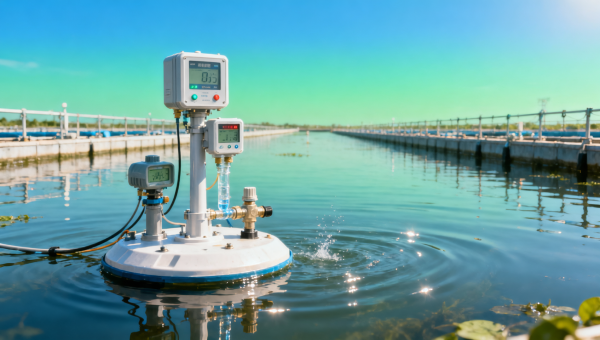
In modern fish farming, a reliable water quality online monitor aquaculture system is no longer optional—it is the first line of defense against loss, disease, and compliance risk. For operators, evaluators, and buyers comparing smart buoys for aquaculture, aquatic oxygen generators, uv sterilizers for fish farms, or ozone generators for aquaculture, trusted alarm performance can directly shape productivity, stock survival, and investment confidence.
Why alarm reliability matters more than a long feature list
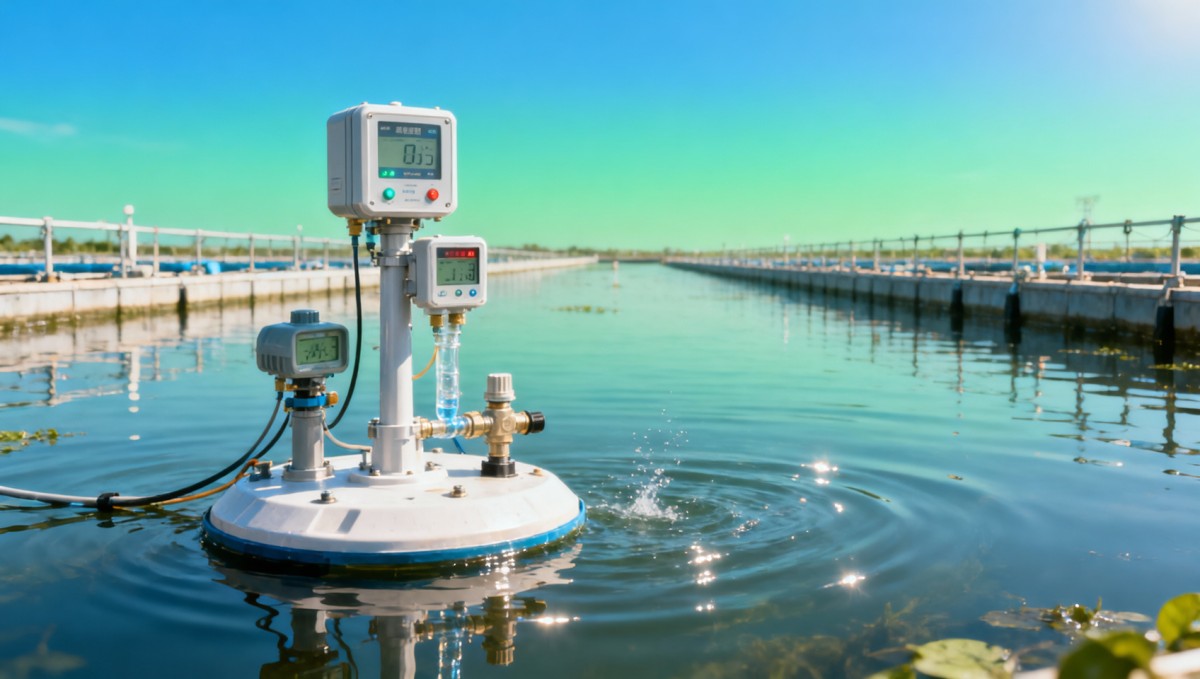
A water quality online monitor aquaculture platform does more than display pH, dissolved oxygen, temperature, salinity, ORP, or ammonia-related indicators. Its real value appears when conditions move outside acceptable ranges and the system triggers the right alarm, to the right people, through the right channel, within a practical response window. In intensive aquaculture, even a 15–30 minute delay during nighttime oxygen decline can create operational disruption that is far more expensive than the monitor itself.
This is why professional buyers should not treat alarm logic as a secondary software feature. A visually attractive dashboard may satisfy an initial demonstration, but production teams need dependable threshold management, data continuity, event logging, and remote alert delivery. In pond, tank, raceway, and recirculating systems, alarm trust is built through sensor stability, communication redundancy, and practical calibration discipline over 7-day, 30-day, and seasonal operating cycles.
For technical assessment personnel, the key question is simple: can the system detect a meaningful deviation before fish behavior, feeding response, or mortality reveals the problem first? For finance approvers, the question shifts to risk concentration. A single monitor failure in a high-density site can affect multiple ponds or tanks if aeration, sterilization, and dosing decisions depend on delayed readings. Alarm reliability therefore belongs in both technical and budget review.
AgriChem Chronicle follows these decisions from the perspective of institutional procurement, regulatory pressure, and industrial operating reality. Across aquaculture and fishery tech, the strongest systems are rarely the ones with the most claimed functions. They are the ones with stable sensors, readable service records, clear integration pathways, and alarm escalation settings that support real farm labor patterns rather than ideal laboratory assumptions.
What a trusted alarm system should actually do
In commercial use, a trusted water quality online monitor aquaculture solution should cover at least 3 layers of warning logic: parameter threshold alarms, device-status alarms, and communication-loss alarms. If only the first layer exists, farms may receive no alert when a probe is fouled, a cable is damaged, or a gateway stops transmitting. For biosecure sites or multi-pond operations, this gap can undermine an otherwise acceptable hardware specification.
- Parameter alarms should allow upper and lower limits, time-delay filtering, and multi-stage severity such as warning, action, and emergency.
- Device alarms should report low battery, sensor drift, calibration due dates, probe disconnection, and abnormal data spikes.
- Communication alarms should identify offline periods such as 5 minutes, 15 minutes, or 60 minutes, depending on stocking density and site risk.
The practical difference is measurable. A farm using smart buoys for aquaculture in open ponds may tolerate a short data gap if oxygen backup systems are independent. A recirculating aquaculture system using automated oxygenation, UV sterilization, and ozone treatment usually requires tighter alert timing because multiple process controls are linked. Alarm architecture should therefore be matched to operational dependency, not copied from generic templates.
Which parameters, devices, and scenarios deserve priority in aquaculture monitoring?
Not every site needs the same sensor stack, and over-specification can waste budget without improving control. The correct starting point is species, density, system type, and treatment process. Shrimp ponds, marine cages, hatcheries, and recirculating facilities each present different alarm priorities. Operators often begin with dissolved oxygen and temperature, but technical teams evaluating a water quality online monitor aquaculture platform should usually define 4–6 priority variables before procurement.
For many freshwater fish farms, dissolved oxygen, temperature, pH, and ammonia risk indicators form the minimum practical set. For marine systems, salinity and conductivity become more important. When ozone generators for aquaculture are used, ORP often enters the decision matrix. When uv sterilizers for fish farms are part of a recirculating line, flow verification and water quality trending matter because sterilization performance is affected by broader system conditions, not just lamp operation.
The table below summarizes common monitoring priorities by scenario. It is not a rigid prescription, but it helps buyers avoid a frequent mistake: purchasing a monitoring package based on a catalog bundle rather than actual process risk and response needs.
The main procurement lesson is to align monitoring with actionability. If a parameter cannot be interpreted or acted on by operators within 10–20 minutes, it should not automatically outrank a parameter that directly controls feeding, aeration, or water exchange. Good system design is not “more sensors at all costs.” It is “the right sensors, at the right points, with the right alarm logic.”
Where supporting equipment changes alarm design
Supporting equipment can redefine what a critical alarm means. An aquatic oxygen generator may allow a site to respond faster to low-DO events, but only if its operating status is visible and linked to the monitoring platform. Similarly, uv sterilizers for fish farms reduce biological risk in recirculating loops, yet they do not compensate for unnoticed temperature drift or oxygen depletion. Ozone generators for aquaculture can improve oxidation control, but they also increase the need for disciplined ORP management and alarm threshold review.
Three practical integration checks
- Confirm whether the monitor can trigger relay outputs or external notifications when DO, pH, or ORP exceeds set values.
- Check whether historical trends can be exported for 30-day or 90-day operating review and supplier performance comparison.
- Verify whether the system distinguishes sensor failure from actual water deterioration, especially in outdoor pond environments.
These details matter to distributors, technical reviewers, and quality managers because they influence training load, after-sales support, and false-alarm frequency. A system that alarms too often without actionable meaning is almost as damaging as a silent system, because staff eventually ignore it.
How to compare water quality online monitor aquaculture systems before purchase
Commercial comparison should go beyond brochure specifications. Buyers should score at least 5 decision areas: sensor performance, alarm logic, connectivity, maintenance demand, and integration potential. This matters for information researchers building a shortlist, for operators who live with calibration routines, and for financial approvers who want lower lifecycle uncertainty rather than only a lower initial quote.
A low upfront price can become expensive if probes require frequent replacement, if cloud access is limited, or if spare parts have long lead times. In many industrial procurement cycles, the more useful benchmark is a 12-month operating cost view rather than a day-one hardware comparison. For distributed pond farms, communication reliability may outweigh a small difference in display resolution. For indoor systems, serviceability and alarm integration can dominate.
The table below offers a practical comparison framework for technical and commercial teams reviewing multiple offers. It can also help distributors standardize demonstrations and reduce mismatched expectations during early-stage negotiation.
A robust comparison also considers deployment scale. A single-site hatchery may prefer simpler architecture with lower training burden. A multi-site operator may require centralized dashboards, access control, and standardized alarm logs across 10, 20, or more production units. The “best” solution depends on whether the bottleneck is biology, labor, compliance, or management visibility.
Common comparison mistakes that distort procurement
One common mistake is comparing only probe quantity. Another is assuming every digital interface provides useful operational intelligence. A third is ignoring who will calibrate and maintain the system after commissioning. In practice, a technically advanced package can underperform if local staff need 3–4 hours of specialist intervention for routine upkeep. Commercial buyers should therefore request not just specifications, but training outlines, maintenance frequency, and alarm demonstration scenarios.
- Ask suppliers to show threshold setting, escalation routing, and offline alarm behavior during a live demo.
- Request a preventive maintenance schedule covering weekly checks, monthly calibration review, and seasonal sensor care.
- Clarify whether the package supports future expansion to additional ponds, tanks, or treatment skids.
These questions create better internal alignment between technical teams, procurement, and finance. They also reduce the risk of purchasing a monitor that looks suitable on paper but fails under real staffing and environmental conditions.
What standards, implementation steps, and operating checks should buyers review?
In aquaculture and broader primary industry operations, compliance is not limited to a product label. Buyers need to consider environmental management expectations, electrical safety, water treatment compatibility, and documentation practices. While exact regulatory requirements vary by country and facility type, systems linked to fish health, discharge control, or chemical treatment should be reviewed through a structured commissioning and recordkeeping process.
AgriChem Chronicle consistently emphasizes one procurement principle: validated operating information is more useful than generic marketing language. For that reason, implementation review should include 4 stages—site assessment, installation verification, calibration and alarm setup, and routine audit planning. This approach helps align technical suitability with procurement confidence, especially where buyers must justify investment to operations leaders, quality managers, and financial controllers.
The following checklist can be applied before final acceptance of a water quality online monitor aquaculture system. It is especially relevant when the project includes smart buoys for aquaculture, oxygen support equipment, UV sterilization lines, or ozone dosing components that must operate as a coordinated control environment.
Four-step implementation and acceptance checklist
- Site mapping: define monitoring points, depth, cable route or wireless path, power source, and backup coverage for each pond, tank, or process loop.
- Commissioning test: confirm real-time readings, 1–3 alarm scenarios, relay outputs if used, and offline recovery after intentional signal interruption.
- Calibration control: document calibration method, operator responsibility, recommended interval such as weekly spot check or monthly verification, and replacement consumables.
- Operating review: evaluate alarm logs, false-alarm rate, maintenance events, and trend data after the first 2–4 weeks of live use.
This process gives quality and safety teams something concrete to audit. It also helps distributors and integrators frame after-sales scope more accurately. When expectations are documented from the start, disputes about communication loss, sensor drift, or response time become easier to resolve with evidence rather than opinion.
FAQ for buyers, operators, and decision-makers
How many parameters should a fish farm monitor first?
For many operations, 3–5 parameters are a practical starting range. Dissolved oxygen, temperature, and pH are common priorities. Salinity, conductivity, or ORP may be added based on species, marine conditions, or treatment technology. Starting with too many channels can increase maintenance burden before the team develops routine response discipline.
How often should sensors be checked or calibrated?
The interval depends on sensor type, fouling conditions, and production intensity. Outdoor ponds may require more frequent cleaning due to biofouling, while controlled indoor systems may support longer intervals. Buyers should ask for a realistic weekly, monthly, and seasonal maintenance plan rather than assuming “maintenance-free” operation.
Can a monitor replace manual water testing entirely?
No. Continuous monitoring improves visibility and alarm response, but periodic manual verification remains important for calibration confidence, troubleshooting, and quality documentation. The strongest operating model combines online monitoring with scheduled validation checks and incident-based manual review.
What is the most overlooked risk during procurement?
Many buyers overlook service continuity. They evaluate probe count and interface design, but not spare-part availability, training depth, or alarm escalation logic. Over a 6–12 month period, these factors usually have a bigger impact on downtime and operator confidence than minor differences in headline specifications.
Why work with a specialized industry publishing partner when evaluating solutions?
For institutional buyers and technical evaluators, the hardest part is often not finding suppliers. It is filtering claims, comparing technically unlike offers, and understanding which specifications matter in real production conditions. This is where AgriChem Chronicle adds value. ACC operates at the intersection of aquaculture technology, primary industries, biochemical process awareness, and regulated procurement logic, making it easier to turn fragmented vendor information into usable decision intelligence.
Our editorial framework is built for buyers who need more than promotional language. We help translate manufacturing capability, laboratory data, integration logic, and compliance language into clear procurement narratives. For a water quality online monitor aquaculture project, that can mean clarifying parameter selection, comparing smart buoy deployment models, reviewing aquatic oxygen generator compatibility, or identifying the monitoring implications of UV and ozone treatment choices.
If you are assessing product fit, budget timing, distributor positioning, or multi-site rollout potential, ACC can support the information stage with more structure. Typical discussion points include 5 core topics: parameter confirmation, installation scenario, alarm strategy, expected delivery cycle, and documentation requirements for technical review or internal approval. This makes engagement useful for researchers, operators, quality teams, and financial decision-makers alike.
Contact us if you need support comparing monitoring architectures, narrowing a shortlist, or framing supplier questions before quotation. We can help you examine sensor combinations, alarm configurations, delivery expectations, spare-part planning, and integration considerations for smart buoys for aquaculture, aquatic oxygen generators, uv sterilizers for fish farms, and ozone generators for aquaculture. A better specification process at the start usually saves weeks of re-evaluation later.
Related Intelligence
- RAS SystemsEU REACH Adds 3 RAS Biofilm Inhibitors to SVHC ListEU REACH adds 3 RAS biofilm inhibitors to SVHC list—urgent compliance action needed for exporters, component makers & chemical suppliers targeting the EU market.
- RAS SystemsEU REACH Adds 3 Biofilm Inhibitors to SVHC List for RAS SystemsEU REACH adds 3 biofilm inhibitors to SVHC list for RAS systems—urgent SCIP & SDS compliance needed by Oct 2026. Act now!
- RAS SystemsEU REACH Adds 3 Silane Coupling Agents for RAS Systems to SVHC ListEU REACH adds 3 silane coupling agents for RAS systems to SVHC list—urgent compliance actions for exporters, integrators & suppliers. Act before 1 Oct 2026.
The Morning Broadsheet
Daily chemical briefings, market shifts, and peer-reviewed summaries delivered to your terminal.
