
Is Fishery Technology the Key to Sustainable Seafood Production?
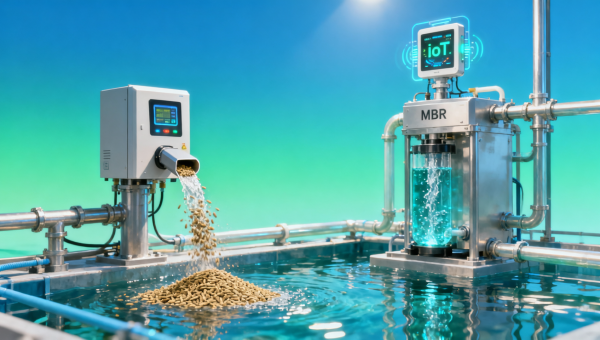
The Rise of Fishery Technology in Sustainable Aquaculture
As global demand for sustainable seafood surges, fishery technology emerges as a critical enabler, merging Agri Tech innovations with EPA and GMP compliance to redefine modern aquaculture. For procurement directors and technical evaluators navigating complex supply chains, the AgriChem Chronicle delivers rigorous analysis on feed machinery, chemical synthesis, and trade compliance, empowering stakeholders to balance operational efficiency with environmental responsibility.
Modern aquaculture systems now integrate IoT sensors, AI-driven feed optimization, and closed-loop water treatment technologies. These innovations reduce water consumption by 40–60% compared to traditional methods while improving fish growth rates by 15–25%. The global fishery tech market, valued at $12.7 billion in 2023, is projected to grow at 8.3% CAGR through 2030, driven by regulatory pressures and consumer demand for traceable seafood.
Key drivers include FDA's Seafood Import Monitoring Program (SIMP), which requires full supply chain visibility for 13 priority species, and the EU's Farm to Fork Strategy targeting a 50% reduction in pesticide use by 2030. These regulations compel operators to adopt precision farming tools that ensure compliance while maintaining profitability.
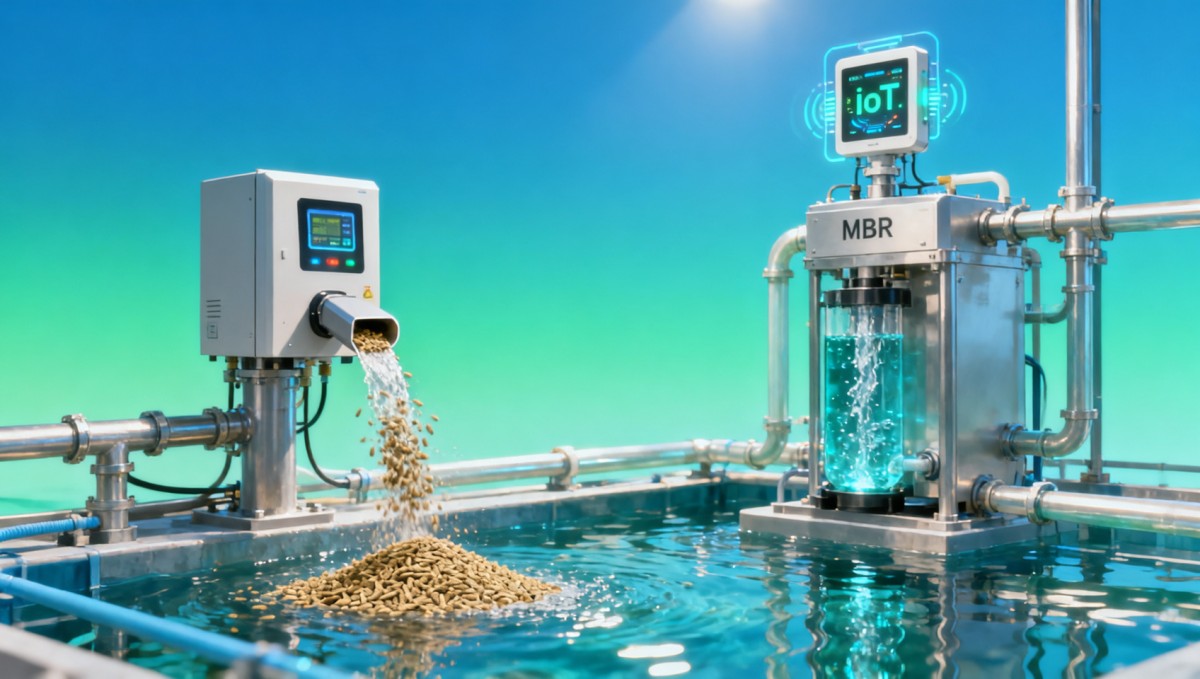
Core Technologies Transforming Aquaculture Operations
Three technological pillars dominate modern fishery operations: intelligent feeding systems, water quality management, and disease prevention platforms. Intelligent feeders use machine vision to adjust portion sizes based on fish behavior, reducing feed waste by 18–22% while maintaining optimal growth rates. These systems typically cost $15,000–$45,000 depending on farm scale and species requirements.
Water treatment innovations include membrane bioreactors (MBRs) that remove 99.9% of pathogens and ammonia, enabling zero-discharge operations. A typical 100-ton MBR system requires $80,000–$120,000 in capital investment but delivers 30% lower operational costs over five years compared to traditional methods. Disease monitoring platforms combining PCR testing with blockchain tracking have reduced outbreak losses by 65% in pilot projects.
The data reveals distinct investment patterns: water treatment requires the highest upfront capital but delivers the longest-term savings, while disease monitoring offers the quickest ROI through reduced mortality rates. Procurement teams should prioritize technologies that address their specific regulatory risks and operational bottlenecks.
Navigating Compliance in Global Aquaculture Markets
Regulatory complexity presents the greatest challenge for aquaculture operators. The U.S. imports 90% of its seafood, with 65% coming from countries lacking equivalent environmental standards. FDA's SIMP program now requires importers to verify product history from harvest to entry, creating demand for digital traceability systems that cost $5,000–$15,000 per facility to implement.
In the EU, the Farm to Fork Strategy imposes stricter limits on antimicrobial use, forcing operators to adopt probiotic-based health management. A typical probiotic treatment protocol adds $0.02–$0.05 per kg of production but reduces antibiotic costs by 70–85%. Asian markets face similar pressures, with China's 14th Five-Year Plan targeting a 20% reduction in aquaculture pollution by 2025.
- FDA SIMP: 13 priority species require full chain documentation
- EU Animal Health Law: Mandatory disease reporting within 24 hours
- China's Ecolabel: Water quality must meet GB 11607-2020 standards
These regulations create opportunities for technology providers offering integrated compliance solutions. For example, Norwegian salmon farms now use blockchain platforms that automatically generate FDA-required import certificates, reducing clearance times from 72 to 12 hours while ensuring data integrity.
Procurement Strategies for Fishery Technology Investments
Enterprise buyers should evaluate technology providers based on four critical dimensions: regulatory expertise, system integration capabilities, scalability, and total cost of ownership (TCO). A 2023 ACC survey found that 78% of failed aquaculture tech implementations resulted from inadequate vendor support during compliance audits.
Successful procurement requires phased implementation. Phase 1 should focus on core compliance technologies like traceability systems and water quality monitors, typically requiring 30–40% of total budget. Phase 2 can introduce optimization tools like AI feeders, while Phase 3 addresses advanced analytics for predictive maintenance. This approach spreads capital costs over 18–24 months while ensuring immediate regulatory benefits.
The procurement matrix reveals that regulatory compliance carries the highest weighting but is often underestimated in budget planning. A comprehensive TCO analysis should include not just initial purchase price but also 3–5 years of maintenance contracts, staff training, and potential system upgrades. Leading vendors now offer "compliance-as-a-service" packages that bundle these elements for predictable monthly pricing.
Future Trends Shaping Aquaculture Technology
Three emerging trends will define the next decade of fishery technology development: autonomous farming systems, alternative protein integration, and carbon credit markets. Autonomous farms using robotic feeders and underwater drones are expected to reduce labor costs by 50–70% while improving production consistency. These systems require initial investments of $200,000–$500,000 but deliver break-even points within 4–6 years for medium-scale operations.
Alternative proteins present both opportunities and challenges. Insect-based feeds reduce reliance on wild-caught fishmeal but require specialized production facilities costing $1–2 million to build. Carbon credit markets offer new revenue streams, with sustainable aquaculture projects now eligible for $15–$30 per ton of CO2 sequestered through algae cultivation and waste recycling.
Key Implementation Considerations
- Start with pilot projects covering 10–20% of production volume
- Train staff on new systems 3–6 months before full deployment
- Establish metrics for measuring compliance improvements
- Negotiate service-level agreements with vendors
Early adopters of these strategies have achieved 22–35% higher profit margins compared to industry averages. A Norwegian salmon producer implementing full automation reduced its water usage by 58% while increasing output by 40%, demonstrating the transformative potential of integrated fishery technologies.
Conclusion: Building Competitive Advantage Through Technology
Fishery technology represents the convergence point for operational efficiency, regulatory compliance, and sustainability goals. The most successful operators will be those that view technology investments not as costs but as strategic enablers for capturing premium markets and avoiding regulatory penalties. With global seafood consumption projected to reach 230 million tons by 2030, the window for establishing technological leadership is rapidly closing.
For procurement teams and technical evaluators, the path forward requires balancing immediate compliance needs with long-term system scalability. The AgriChem Chronicle's market intelligence indicates that vendors offering modular, API-driven solutions with proven regulatory track records will dominate the next wave of aquaculture modernization. To explore how these technologies can transform your operations, contact our editorial team for access to exclusive vendor evaluations and implementation case studies.
Action Step: Download our complimentary Aquaculture Technology Procurement Guide to benchmark your current systems against industry best practices and identify priority upgrade areas.
Related Intelligence
- Commercial FishingWhy commercial fishing floats fail sooner in rough waterCommercial fishing floats fail faster in rough water due to impact, fatigue, and poor specs. Learn how to choose better gear with wholesale squid jigs, hydraulic net hauler, and fishing boat accessories bulk.
- Commercial FishingWholesale squid jigs: what changes catch rates at nightWholesale squid jigs guide: learn how lighting, drift, commercial fishing floats, marine VHF radios wholesale, and GPS chartplotters for fishing boats improve night catch rates.
- Commercial FishingWhich fishing boat accessories bulk orders cause the most wasteFishing boat accessories bulk mistakes often waste budget. Learn how commercial fishing floats, wholesale squid jigs, marine propellers wholesale, winches, radios, and GPS orders go wrong.
The Morning Broadsheet
Daily chemical briefings, market shifts, and peer-reviewed summaries delivered to your terminal.
