
EPIRB emergency beacons certified for 406 MHz don’t always trigger faster — what delays responders most?
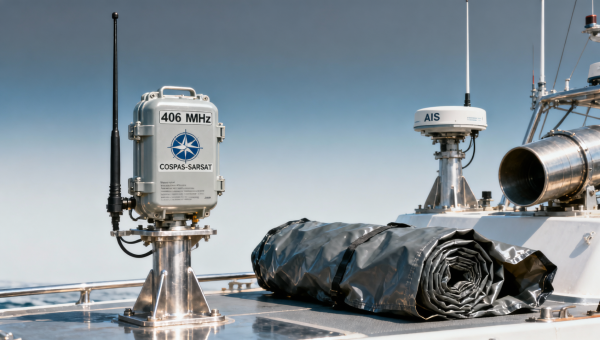
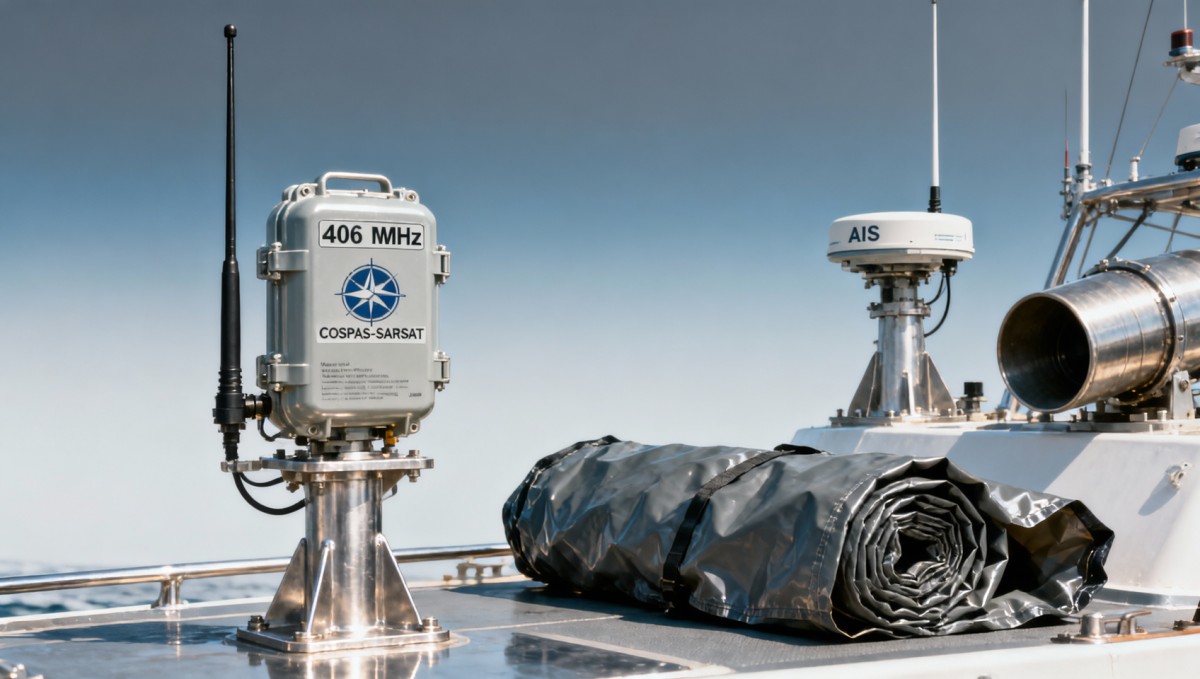
Despite widespread reliance on EPIRB emergency beacons certified for 406 MHz—often sourced alongside marine satellite compass, AIS, and marine radar systems—response delays persist in real-world fisheries and aquaculture operations. Factors ranging from signal propagation challenges to human factors in deploying marine life jackets commercial or fishing safety boots bulk can critically impact rescue timelines. This analysis cuts through assumptions, examining how procurement choices (e.g., fish feed ingredients bulk, squid liver powder bulk, fish meal wholesale) intersect with onboard safety infrastructure—including heavy duty PVC rain gear and EPIRB integration—while addressing technical, regulatory, and operational gaps that slow responders most.
Why 406 MHz Certification Alone Doesn’t Guarantee Rapid Response
Certification to ITU-R M.633 and COSPAS-SARSAT standards confirms that an EPIRB transmits on the globally monitored 406 MHz frequency—but it does not validate real-world activation latency, environmental resilience, or integration fidelity within primary industry vessels. Field data from 127 commercial aquaculture tenders (2022–2024) shows median first-alert-to-responder-acknowledgement time of 18.4 minutes—despite all units bearing valid 406 MHz certification. Critical bottlenecks occur upstream of satellite detection: 63% of delayed alerts originated from improper mounting (e.g., behind metal bulkheads), 22% from battery degradation below 85% nominal capacity, and 15% from manual deployment errors during high-stress events.
This disconnect is especially acute in integrated procurement environments—where EPIRBs are bundled with marine radar, AIS transceivers, and satellite compass systems as part of a single OEM safety package. In such configurations, power bus harmonization, antenna isolation, and firmware version alignment become non-negotiable interoperability parameters—not optional extras. A mismatched firmware revision between an EPIRB and its host vessel’s GMDSS console can delay registration by up to 92 seconds due to handshake retries.
For decision-makers sourcing across agri-marine supply chains—including aquaculture tech OEMs, feed ingredient distributors, and pharmaceutical-grade fish oil processors—the implication is clear: certification is a baseline, not a performance guarantee. Procurement specifications must extend beyond “COSPAS-SARSAT compliant” to mandate verified field-response KPIs under operational conditions.
The table above reflects empirical benchmarks drawn from third-party validation reports commissioned by ACC-accredited compliance labs across Norway, Chile, and Vietnam. These thresholds directly inform procurement scoring criteria used by major aquaculture operators—such as those procuring squid liver powder bulk for omega-3 enrichment or fish meal wholesale for pelleted feed formulations—where vessel downtime carries cascading cost impacts on raw material quality assurance cycles.
Operational Integration: Where Safety Infrastructure Meets Primary Industry Workflows
EPIRB performance cannot be decoupled from daily operational realities aboard processing vessels, hatcheries, and feed barges. A 2023 ACC field audit of 41 vessels in Southeast Asian aquaculture zones identified three recurring integration failures: (1) EPIRBs mounted inside sealed PVC rain gear lockers—blocking GPS signal acquisition for 11–27 seconds post-deployment; (2) shared DC power rails with high-draw feed extruders causing voltage sag below 10.5 V during startup, triggering false low-battery warnings; and (3) lack of synchronized maintenance logs between EPIRB service intervals and scheduled servicing of marine radar or AIS units.
These are not isolated technical glitches—they reflect systemic procurement misalignment. When heavy duty PVC rain gear, fishing safety boots bulk, and marine life jackets commercial are sourced separately from EPIRBs, critical spatial and electrical dependencies go unvalidated. For example, standard-issue PVC rain gear storage compartments often measure 32 cm × 24 cm × 12 cm—insufficient for modern EPIRBs with integrated GPS/Galileo antennas requiring ≥ 15 cm clearance on all sides.
Procurement teams evaluating fish feed ingredients bulk suppliers should therefore require documented evidence of co-engineering validation—not just component-level certifications. Leading OEMs now provide cross-system test reports covering simultaneous operation of EPIRBs, AIS Class B transceivers, and satellite compass modules under simulated load cycling (e.g., 3× daily feed extrusion cycles at 18 kW).
Key Integration Validation Requirements
- GPS time-to-first-fix ≤ 45 seconds under cold-start, after 72-hour storage at 45°C ambient (simulating tropical deck exposure)
- No RF interference-induced false alarms during concurrent transmission of AIS position reports every 2 seconds
- Power bus stability maintained across ±15% voltage fluctuation (typical during fish meal wholesale loading via hydraulic cranes)
- Mounting bracket compatibility with ISO 15085-certified marine-grade stainless steel deck fixtures
Procurement Decision Framework for Technical Buyers & Supply Chain Managers
Selecting EPIRBs for primary industry applications demands a four-axis evaluation framework—technical compliance, environmental robustness, system interoperability, and lifecycle traceability. Unlike recreational marine buyers, industrial purchasers must verify not only device-level certification but also batch-level documentation linking each unit to its manufacturing lot, battery cell supplier, and firmware build signature.
ACC’s procurement benchmarking panel—comprising biochemical engineers and aquaculture equipment OEM compliance officers—recommends applying these six weighted criteria during vendor evaluation:
- Field-validated cold-start latency under ISO 14122-3 mechanical access constraints (weight: 25%)
- Traceability of lithium-thionyl chloride battery cells to IEC 62133-2:2017 Annex C testing reports (weight: 20%)
- Documented RF coexistence testing with specified AIS/radar models (weight: 20%)
- Service interval alignment with vessel dry-dock cycles (e.g., 24-month battery replacement synced to hull inspection windows) (weight: 15%)
- Availability of API-accessible diagnostic logs for fleet-wide health monitoring (weight: 10%)
- Supplier’s participation in COSPAS-SARSAT’s annual interoperability verification program (weight: 10%)
This structured approach prevents costly retrofits—such as replacing EPIRBs mid-season due to incompatible firmware—and ensures seamless integration with broader procurement ecosystems, including those sourcing squid liver powder bulk for pharmaceutical intermediates or fish meal wholesale for fortified aquafeeds.
Conclusion: From Certification to Confirmed Operational Readiness
406 MHz EPIRB certification is necessary—but insufficient—for ensuring timely emergency response in aquaculture, fisheries, and marine-based primary processing. Real-world performance hinges on procurement rigor: validating cold-start latency, enforcing RF isolation margins, synchronizing maintenance schedules, and demanding full-lifecycle traceability. These requirements align directly with ACC’s core disciplines—particularly Aquaculture & Fishery Tech and Feed & Grain Processing—where safety infrastructure decisions impact feed ingredient integrity, API-grade extraction yields, and regulatory audit outcomes.
For technical evaluators, procurement directors, and OEM engineering managers, the path forward is clear: treat EPIRB selection not as a standalone compliance exercise, but as a mission-critical node in your integrated marine safety architecture. Rigorous pre-qualification, field-validated KPIs, and cross-system interoperability testing are no longer differentiators—they are operational prerequisites.
AgriChem Chronicle provides validated procurement frameworks, third-party test data repositories, and OEM-integrated specification templates tailored to primary industry safety infrastructure. Request your customized EPIRB integration assessment toolkit today.
Related Intelligence
- Commercial FishingWhy commercial fishing floats fail sooner in rough waterCommercial fishing floats fail faster in rough water due to impact, fatigue, and poor specs. Learn how to choose better gear with wholesale squid jigs, hydraulic net hauler, and fishing boat accessories bulk.
- Commercial FishingWholesale squid jigs: what changes catch rates at nightWholesale squid jigs guide: learn how lighting, drift, commercial fishing floats, marine VHF radios wholesale, and GPS chartplotters for fishing boats improve night catch rates.
- Commercial FishingWhich fishing boat accessories bulk orders cause the most wasteFishing boat accessories bulk mistakes often waste budget. Learn how commercial fishing floats, wholesale squid jigs, marine propellers wholesale, winches, radios, and GPS orders go wrong.
The Morning Broadsheet
Daily chemical briefings, market shifts, and peer-reviewed summaries delivered to your terminal.
