
Round Baler Machine Capacity Looks Fine Until Peak Season
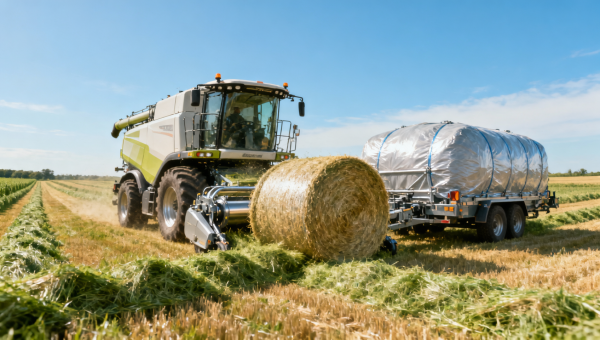
A round baler machine may appear adequately sized during routine operations, yet peak harvest often exposes hidden limits in throughput, downtime risk, and labor efficiency. For buyers comparing a square baler machine, hay balers wholesale options, or a silage bale wrapper machine, capacity planning must account for seasonal surges, field conditions, and total operating cost before procurement decisions are made.
Why does a round baler machine seem sufficient until the workload spikes?
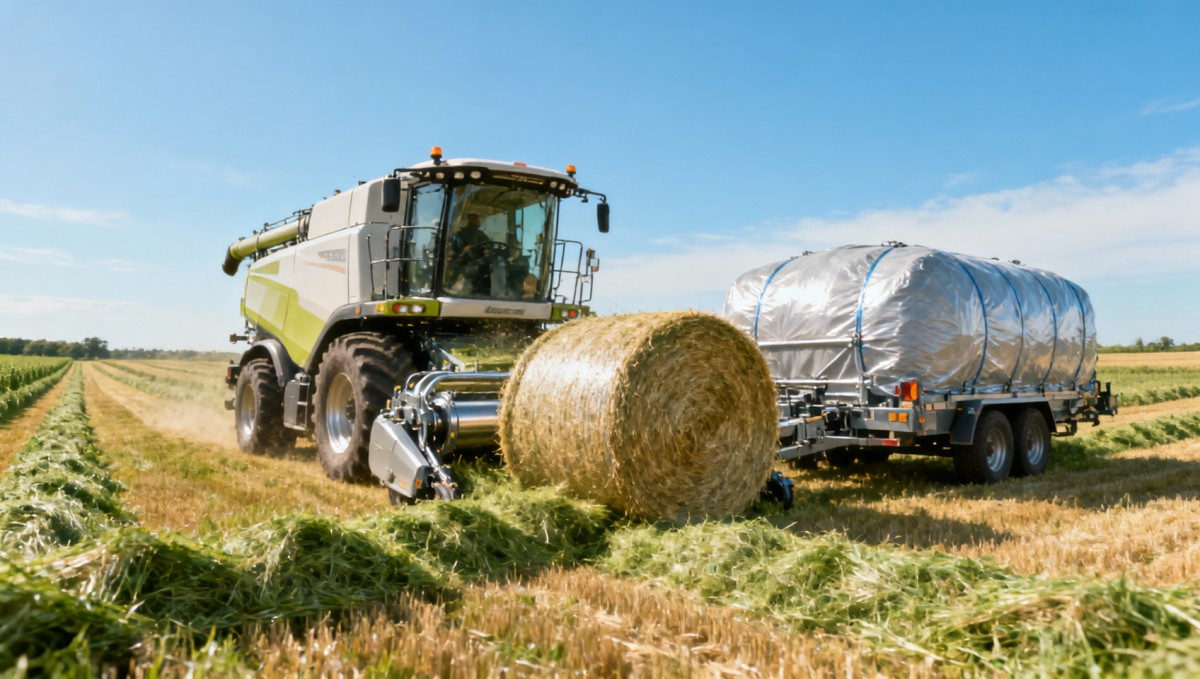
In normal weeks, a round baler machine often performs within acceptable limits. Operators see stable bale output, manageable fuel use, and routine maintenance intervals. The problem begins when harvest windows compress into 7–15 days, moisture conditions change twice in one week, or labor shifts are extended to cover more hectares per day. Capacity that looked acceptable in light-duty operation can become a bottleneck under real seasonal pressure.
For technical evaluators and procurement teams, the key issue is not nominal capacity alone. A baler rated well on paper may lose effective throughput when windrows are uneven, transport distances increase, or operators need more stops for tying, net replacement, wrapping coordination, or chamber cleaning. Peak season performance should therefore be judged by hourly field output, unplanned stoppage frequency, and bale consistency over continuous shifts of 8–12 hours.
This is especially relevant across primary industries, where harvesting equipment decisions affect not only agricultural output but also feed quality, storage stability, transport planning, and downstream processing efficiency. AgriChem Chronicle addresses this gap by connecting machinery evaluation with field operations, supply-chain timing, and compliance-oriented decision making, which is critical for buyers who must justify both technical and financial approval.
A round baler machine should be assessed as part of a working system, not as an isolated asset. That system includes tractor horsepower, operator skill, field topography, crop density, weather risk, bale handling equipment, and, in many silage applications, a silage bale wrapper machine. Once these variables are considered together, hidden capacity constraints become easier to identify before procurement rather than after deployment.
Three reasons peak season changes the evaluation logic
- Harvest windows shrink, so hourly shortfalls matter more than annual averages. A loss of even 10–15 bales per hour can create major carryover delays across a 3–5 day weather window.
- Machine stress rises under continuous duty. Bearings, belts, pickup assemblies, hydraulic lines, and tying systems show different reliability profiles when running for 2 shifts instead of a few routine daytime hours.
- Coordination demands expand. Bale transport, wrapping, stacking, and storage must keep pace, or the baler waits idle despite having acceptable theoretical capacity.
What capacity indicators should buyers compare beyond headline output?
When evaluating a round baler machine, buyers often start with bale diameter range, chamber type, and advertised bales per hour. Those specifications are useful, but they do not fully capture performance under peak conditions. A stronger procurement method is to compare 5 core indicators: crop intake stability, bale density consistency, tying or wrapping cycle time, serviceability, and recovery speed after stoppage.
Commercial teams and finance approvers should also distinguish nominal capacity from effective capacity. Nominal capacity refers to output under controlled or favorable conditions. Effective capacity reflects what the machine delivers in variable terrain, mixed crop moisture, and long workdays with refueling, transport coordination, and routine adjustments included. In many field operations, effective capacity is the more relevant benchmark for return-on-investment planning over 2–4 harvest seasons.
For distributors, agents, and project managers, one practical question matters: how much output loss appears when crop conditions move outside the ideal range? A machine that handles dry hay well may slow sharply in heavier forage or high-moisture material. By contrast, some operations may be better served by a square baler machine if transport density, stack efficiency, and warehouse handling are stronger priorities than round-bale flexibility.
The table below summarizes evaluation points that matter during procurement, technical review, and budget approval. It is designed for buyers comparing individual machines, hay balers wholesale offers, or multi-unit fleet planning for seasonal demand.
This comparison helps procurement teams avoid a common mistake: selecting the machine with the strongest advertised output while ignoring supportability and process fit. In practice, reliability over a 10-day harvest window can be more valuable than a higher peak output figure that is difficult to sustain in mixed conditions.
Which technical details deserve closer scrutiny?
Pickup width, chamber design, and tying cycle
A wider pickup can improve intake efficiency, but only if crop flow remains stable and feeding components are matched to the tractor and field speed. Chamber design, whether fixed or variable, influences bale density control and crop adaptability. Tying cycle duration also matters: a short delay repeated over hundreds of bales can significantly reduce daily output.
Service intervals and wear parts
Routine inspection intervals should be aligned with field reality. Buyers should ask how many service points require daily attention, which wear parts are expected within one season, and whether local stock is available. For distributors and resellers, after-sales parts planning over 24–72 hours can determine whether a fleet keeps running during the busiest week of the year.
Round baler machine vs square baler machine: which one fits your operation better?
The comparison between a round baler machine and a square baler machine should start with the downstream use of the bale, not just the baling step itself. Round bales are often preferred for flexible field handling, lower complexity in some operations, and compatibility with grazing, hay, and silage workflows. Square bales may offer advantages in transport density, stacking efficiency, and warehouse use, especially where logistics costs are tightly monitored.
For procurement personnel, the decision often comes down to 4 areas: labor organization, transport economics, crop type, and storage constraints. Finance teams usually focus on total cost per season, while technical teams focus on throughput and bale quality. Project managers, however, must connect both views and consider implementation timelines, operator training, and equipment compatibility.
A round baler machine may be the better fit when field mobility, mixed-use crops, and decentralized storage dominate the operation. A square baler machine may justify its complexity when regular transport routes, export-oriented hay handling, or stacking efficiency have greater strategic value. No single answer fits every operation, which is why scenario-based comparison is more useful than generic ranking.
The table below offers a practical side-by-side view for technical assessment, commercial review, and capital approval. It is especially useful when buyers are reviewing hay balers wholesale supply options across different machine formats.
The better choice depends on the full operating model. Buyers should compare not just acquisition cost, but also handling cost per bale, seasonal labor needs, and the number of process handoffs from field to storage. That broader view usually reveals whether round or square baling supports the stronger long-term operating margin.
Where does a silage bale wrapper machine change the decision?
If the operation includes high-moisture forage, wrapper integration becomes a major decision point. A silage bale wrapper machine adds cost and process steps, but it can also improve preservation and reduce feed loss when timing is well controlled. In such cases, the baler and wrapper should be evaluated as one combined line with synchronized output, staffing, and transport flow.
For technical teams, the key metric is not simply how fast the wrapper runs, but whether wrapping can keep pace over consecutive field cycles. If wrapping falls behind by even 30–60 minutes in warm or unstable weather, feed quality risk may increase. That is why procurement should include buffer planning, staging areas, and handling equipment in the original comparison.
How should procurement teams evaluate cost, risk, and wholesale options?
The lowest quotation rarely delivers the lowest seasonal cost. Procurement teams comparing hay balers wholesale packages should look at at least 6 cost layers: machine price, freight and delivery timing, commissioning support, spare parts availability, operator training, and productivity loss from downtime. A cheaper machine that loses 1–2 days during a short harvest window may create more cost than a higher-priced but better-supported alternative.
Business reviewers and finance approvers should request scenario-based budgeting. Compare a normal workload year, a compressed harvest year, and a high-moisture year requiring closer coordination with a silage bale wrapper machine. This 3-scenario method gives a clearer picture of cash exposure, service demand, and operating resilience than a single average-case budget.
Quality control and safety managers should also review documentation practices. Even where specific machinery certifications vary by market, buyers should ask for basic compliance records, operating manuals, service instructions, and safety labeling consistency. In regulated or export-sensitive supply chains, incomplete documentation can delay installation, training, insurance approval, or internal acceptance.
AgriChem Chronicle supports this stage of decision making by translating technical whitepapers, supplier capabilities, and market-facing claims into structured evaluation criteria. For institutional buyers and distributors, that means less time filtering sales language and more time comparing operational fit, supply transparency, and implementation risk.
A practical procurement checklist for seasonal baler investment
- Define the true peak workload in bales per day, hectares per shift, and the shortest likely weather window, such as 3–7 days.
- Confirm tractor compatibility, hydraulic requirements, and operator skill assumptions before comparing output claims.
- Map downstream steps, including transport, stacking, and wrapper coordination, to avoid buying a baler that outruns the rest of the system.
- Review wear parts, local stock position, and service response expectations over 24–72 hours during peak season.
- Ask suppliers to explain maintenance intervals, training scope, and expected commissioning steps over the first 1–2 weeks.
- Evaluate wholesale packages not only by price break, but also by parts support, documentation completeness, and installation readiness.
Common procurement mistake
A frequent mistake is to buy for average daily use while assuming peak-season performance will scale automatically. It rarely does. Capacity planning should include at least a 15%–25% operating margin for real-world variability, especially when crop moisture, field distances, and labor availability are inconsistent.
What are the most common misconceptions and buyer questions?
In many machinery evaluations, problems begin with assumptions that seem reasonable but fail under field pressure. Buyers may believe that a round baler machine rated for a certain output will deliver that figure across all crop conditions. Others assume that if a machine works during demonstrations, it will perform equally well over a 2-week peak harvest cycle. In practice, sustained output and serviceability matter as much as first-day performance.
Another misconception is that hay balers wholesale purchasing automatically reduces risk. Wholesale buying can improve unit economics, but only when spare parts support, operator onboarding, and delivery sequencing are aligned. A multi-unit order without coordinated training or parts planning may multiply downtime rather than reduce it.
The FAQ below reflects common search and procurement questions from research teams, project managers, and channel partners comparing a round baler machine, a square baler machine, and wrapper-linked forage systems.
How do I know if my round baler machine is undersized?
Look for repeated signs during busy periods: long queues in transport or wrapping, operators extending shifts beyond 10–12 hours, rising stoppage frequency, and inconsistent bale density near the end of the day. If a machine meets routine needs but fails during a 5–10 day harvest surge, it is effectively undersized for the operation’s risk profile.
When is a square baler machine the better commercial choice?
A square baler machine is often stronger when the business depends on transport density, warehouse stacking, standardized bale dimensions, or regular external shipment. It may also suit operations serving commercial hay markets where loading efficiency and storage geometry directly affect margins.
What should I ask about a silage bale wrapper machine before buying?
Ask about cycle compatibility with the baler, handling flow between field and wrapping point, film use management, operator steps, and service support during wet or unstable harvest conditions. The wrapper should be evaluated as part of a timed process, not as a separate accessory.
How long is a typical delivery and implementation cycle?
Lead times vary by market, season, and configuration, but buyers should plan for several stages rather than a single shipment event: quotation review, technical confirmation, production or stock allocation, transport, installation, and operator training. For planning purposes, many teams review windows in terms of 2–4 weeks for coordination tasks and longer when special configurations or import procedures apply.
Why work with AgriChem Chronicle when evaluating baler capacity and supplier claims?
AgriChem Chronicle operates at the intersection of industrial agriculture, regulated supply chains, and technical procurement. That position matters because a round baler machine is no longer a simple farm purchase for many organizations. It is a productivity asset tied to feed quality, labor efficiency, equipment uptime, logistics flow, and capital approval. Buyers therefore need more than brochure claims. They need structured intelligence.
Our editorial framework is built for decision makers who need technical precision and commercial clarity at the same time. We translate manufacturer capabilities, field-use considerations, and compliance-aware documentation into decision-ready content for information researchers, engineering leads, procurement managers, finance reviewers, and distribution partners. This is especially valuable when comparing hay balers wholesale offers across suppliers with uneven documentation quality.
If your team is assessing a round baler machine, a square baler machine, or a silage bale wrapper machine, we can help frame the questions that reduce downstream risk. Typical consultation topics include parameter confirmation, machine-to-application fit, seasonal capacity checks, delivery timing assumptions, documentation expectations, and multi-unit procurement comparison.
Contact AgriChem Chronicle to discuss your evaluation scope before issuing final supplier decisions. You can consult on 5 practical areas: equipment selection logic, peak-season capacity planning, wholesale sourcing risk, support and spare-parts expectations, and implementation readiness. For teams preparing internal approval, we can also help organize technical comparison points into a format that supports procurement review, business assessment, and financial sign-off.
Related Intelligence
- Heavy Agri MachinerySilage Bale Wrapper Machine Film Waste Comes from SetupSilage bale wrapper machine film waste often starts with setup, not film. Compare round baler machine and square baler machine risks, calibration, and agricultural plastic mulch film compatibility.
- Heavy Agri MachineryHay Balers Wholesale Pricing Is Not the Full PictureHay balers wholesale pricing is only the start. Compare square baler machine and round baler machine value, lifecycle cost, system fit, and service support before you buy.
- Heavy Agri MachineryHay Balers Wholesale Orders Often Miss This Spec DetailHay balers wholesale buyers often miss bale chamber specs that impact square baler machine and round baler machine efficiency, wrapper fit, and total farm logistics cost.
The Morning Broadsheet
Daily chemical briefings, market shifts, and peer-reviewed summaries delivered to your terminal.
