
Hay Balers Wholesale Orders Often Miss This Spec Detail
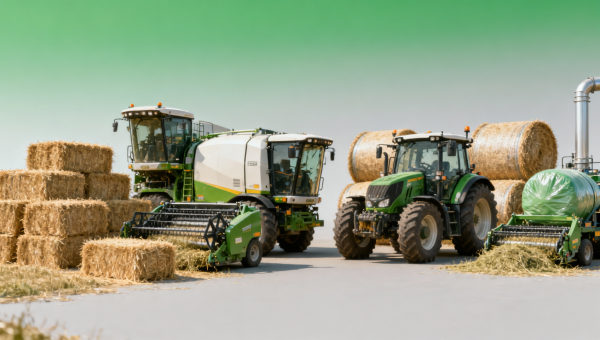
In hay balers wholesale negotiations, one overlooked specification can affect bale density, transport efficiency, and long-term operating cost more than buyers expect. For procurement teams comparing square baler machine and round baler machine options, this detail also influences compatibility with grass forage chopper lines, silage bale wrapper machine workflows, and broader mixed-equipment planning across modern farming operations.
Why bale chamber and finished bale dimension specs matter more than many wholesale buyers expect
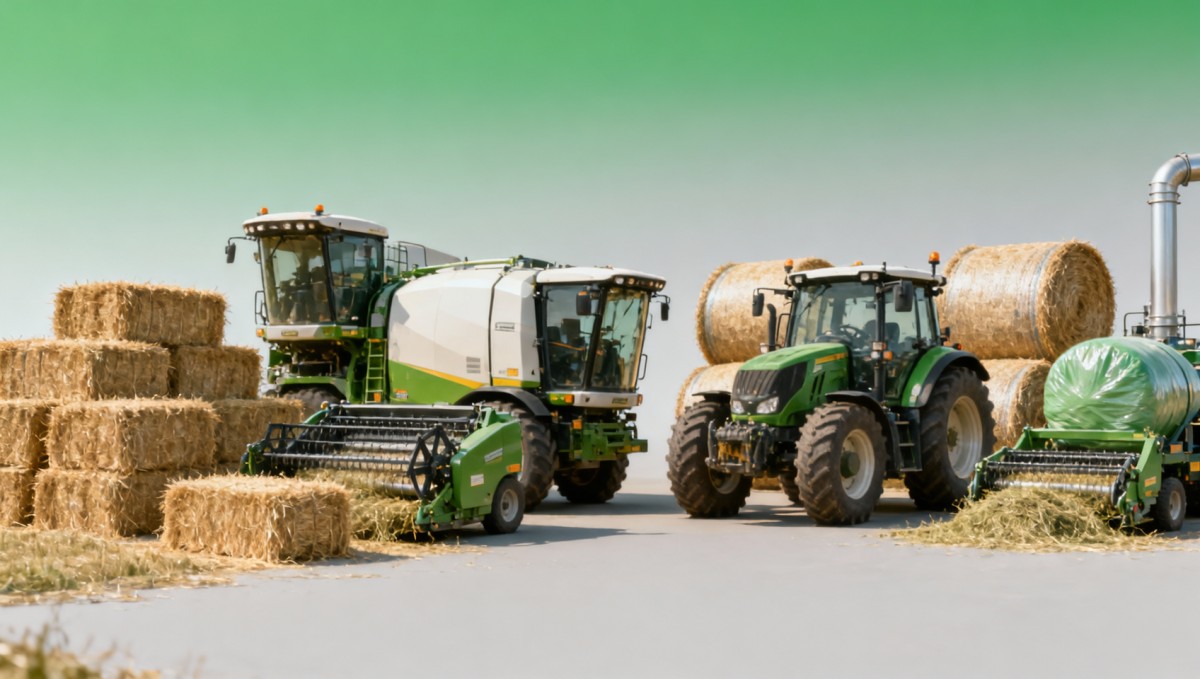
In bulk hay balers procurement, buyers often focus first on tractor power requirement, pickup width, or quoted unit price. Those are important, but bale chamber size and the resulting finished bale dimensions often have a wider downstream impact. This single specification shapes bale density range, stacking pattern, wrapper compatibility, truck loading ratios, and warehouse utilization over the next 3–7 years of machine use.
For technical evaluators, bale dimension is not just a catalog number. It is a systems parameter. A square baler machine producing bales that are slightly outside the target cross-section can disrupt automatic bale handling, tie into fewer standard pallets or trailer rows, and complicate moisture management. A round baler machine with the wrong diameter range can also reduce wrapper efficiency and increase film consumption per ton handled.
For procurement teams and finance approvers, the key issue is not whether one size is universally better. The issue is fit. A bale that is 10% denser or 15% larger may reduce transport frequency, but it can also exceed loader capacity, storage height constraints, or export packing preferences. This is why experienced buyers evaluate bale chamber specifications together with handling equipment, road transport limits, and end-user feeding practice.
Within ACC’s editorial scope covering agricultural machinery, feed and grain processing, and regulated industrial supply chains, this type of cross-functional specification review is essential. Institutional buyers rarely purchase a baler as a standalone machine. They procure a node within a broader operation that may include grass forage chopper units, conveyors, stackers, wrapper systems, and seasonal contracting timelines measured in 2–4 week decision windows.
The hidden cost drivers connected to one bale size decision
Once bale dimension is fixed, several cost layers follow automatically. These include twine or net consumption, wrapping material usage, transport loading efficiency, loader cycle time, and storage cube utilization. Quality and safety teams should also note that uneven density across bale sections can affect internal heat buildup when moisture is not managed correctly, especially in high-throughput seasonal operations.
- Transport planning: bale dimensions determine how many units fit in one trailer row, one container loading pattern, or one barn bay.
- Labor productivity: loader handling time may vary across 3 key stages, including collection, stacking, and dispatch.
- Material consumption: net wrap, twine, or film use changes with bale circumference, edge stability, and compression ratio.
- Equipment compatibility: bale length or diameter affects whether wrapper, accumulator, or feeder systems run without secondary adjustment.
The practical lesson is simple: before confirming hay balers wholesale orders, buyers should request the nominal bale chamber specification, the adjustable finished bale range, and the density behavior under typical crop conditions. Those three points are often more useful than a generic statement about output capacity.
How square baler machine and round baler machine choices change the procurement equation
The market often frames square baler machine versus round baler machine selection as a simple preference issue. In reality, the decision depends on storage geometry, transport method, labor model, crop type, moisture handling, and whether the farm or contractor uses a silage bale wrapper machine. In wholesale orders, the difference becomes more significant because one specification mismatch can be replicated across 5, 10, or 20 machines.
Square bales are commonly favored when buyers need cleaner stacking, more predictable trailer utilization, and easier integration into commercial feed logistics. Round bales are often selected where field conditions vary, handling is less automated, or wrapping workflow is central. Neither format is inherently superior in every project. The better option is the one that aligns with handling infrastructure and the commercial movement of forage.
Distributors and regional agents should pay close attention here. Stocking machines with bale output dimensions that do not match local trailer widths, common wrapper ranges, or dealer spare-parts capability can slow resale turnover. In many regions, the successful wholesale mix is not one baler family alone, but 2–3 machine configurations matched to distinct user segments such as dry hay producers, silage operators, and contract baling services.
The table below shows a procurement-oriented comparison rather than a generic product overview. It helps technical assessment teams and commercial approvers identify where bale dimension and downstream system fit should override headline output claims.
A common mistake is to compare only purchase price. The stronger method is to compare full workflow fit across 4 dimensions: bale handling, storage, transport, and crop preservation. That approach usually produces fewer post-delivery modifications and clearer payback logic for finance teams.
Where the comparison becomes critical in mixed-equipment projects
Mixed-equipment projects are especially sensitive to bale dimensions. If a site already operates a grass forage chopper, a silage bale wrapper machine, and front-loader handling tools, the baler must fit existing throughput and material flow. A chamber specification that looks acceptable on paper can still cause stoppages if wrapper infeed, clamp spacing, or stack height assumptions do not match.
Project managers should therefore define acceptance criteria before tender release. In many cases, 6 practical checkpoints are enough: crop type, target moisture range, bale density range, loader capacity, storage geometry, and outbound transport pattern. If those are aligned, the machine comparison becomes much more objective.
What technical and quality teams should verify before placing hay balers wholesale orders
A wholesale order should never rely on brochure shorthand alone. Technical evaluators and quality teams should ask for the nominal bale chamber size, the adjustable finished bale interval, the density control method, and the actual tolerance behavior under different crop conditions. In practice, a machine can perform differently in dry hay, chopped forage, and wetter silage material, even when the stated output figure remains the same.
Safety and reliability teams should also review tie or wrap consistency, knotter or net system accessibility, and maintenance intervals. During peak season, downtime measured in 6–10 hours can affect field recovery schedules, labor allocation, and transport bookings. A lower-priced machine may become more expensive if density variation or missed ties increase rehandling work.
Another essential factor is operating compatibility with available tractors and hydraulic systems. A hay baler may match nominal PTO power but still underperform if hydraulic flow, drawbar setup, or terrain conditions are not suitable. That is why procurement specifications should define both minimum acceptable power and preferred operating range, rather than naming one number only.
The following table helps buyers build a practical technical review sheet for pre-order discussions. It is particularly useful for cross-functional teams where engineering, procurement, operations, and finance each need a shared basis for approval.
A disciplined review sheet also supports internal approvals. Finance departments can see why one machine costs more. Quality teams can connect specification choices to crop preservation and operating stability. Procurement can then negotiate based on measurable requirements instead of general claims.
A 4-step review workflow for institutional buyers
- Define target crop and operating window, including dry hay, silage use, expected season length, and daily throughput pattern.
- Map bale size requirements to storage, transport, and handling equipment already on site or planned for the project.
- Validate service factors, including parts lead time, maintenance interval, and dealer support during high-season demand.
- Run commercial comparison on total operating effect over 12–36 months, not only on initial quotation.
This workflow helps teams avoid rushed commitments. It is especially useful where approvals involve procurement officers, engineering reviewers, safety personnel, and external distributors in different locations.
Common procurement mistakes, compliance considerations, and FAQ for multi-stakeholder decisions
Hay balers wholesale projects often fail at the handover between technical review and commercial negotiation. One team confirms output. Another team negotiates price. But no one verifies whether bale dimensions match downstream equipment or transport assumptions. That gap creates hidden cost. It can also cause disputes over performance because the machine may operate as supplied while still failing the buyer’s practical workflow needs.
Compliance considerations should also not be treated as paperwork only. Depending on market and project scope, buyers may need to review machinery safety documentation, operating manuals, spare-parts traceability, and transport packaging details. For multinational procurement, language consistency in technical documents and declared operating limits can matter as much as the machine specification itself.
ACC’s role in this environment is not limited to product visibility. Its value lies in connecting machinery evaluation with broader industrial due diligence, trade compliance awareness, and cross-sector technical interpretation. For organizations that also manage feed processing, fine chemicals, or regulated agricultural inputs, that integrated review culture reduces procurement blind spots across the supply chain.
Before finalizing orders, stakeholders should align around 5 risk questions: Does bale size fit storage? Does it fit wrapper or feeder systems? Does it fit loader and transport limits? Does service support fit seasonal urgency? And does the quotation clearly define what performance parameters are guaranteed?
FAQ: what buyers ask before confirming a baler specification
How do I choose between a square baler machine and a round baler machine?
Start with logistics, not catalog preference. If your project depends on tight warehouse stacking, standardized truck loading, or contract delivery by unit count, a square baler machine often deserves closer review. If wrapping workflow, field simplicity, and flexible on-farm handling are more important, a round baler machine may be the stronger fit. In either case, validate bale dimensions against at least 3 linked systems: handling, storage, and transport.
What should procurement teams ask suppliers about bale dimensions?
Ask for the nominal bale chamber specification, adjustable output range, expected density range, and crop-condition notes. Also confirm whether the machine’s stated capacity applies to dry hay, forage, or wetter material. These details help prevent a situation where the delivered machine is technically compliant but commercially mismatched to your site.
How does bale size affect a silage bale wrapper machine?
Wrapper systems typically work within defined handling and dimensional ranges. If the bale diameter, weight distribution, or surface stability is outside the wrapper’s practical operating envelope, film use may rise and cycle stability may drop. That is why wrapper compatibility should be reviewed before order placement, especially when multiple machines will be deployed across 1 season.
What is a reasonable planning horizon for wholesale orders?
For many B2B projects, technical clarification and internal approval can take 2–4 weeks, while delivery planning, accessory confirmation, and shipment scheduling may add several more weeks depending on season and destination. Buyers should therefore lock core specifications early, especially if the order includes wrappers, handling tools, or dealer-level spare parts.
Why informed buyers use ACC for specification review, supplier comparison, and next-step consultation
Complex equipment procurement is no longer a single-department activity. It involves technical validation, commercial risk review, operating compatibility, compliance documentation, and future service planning. ACC supports that process by presenting agricultural machinery analysis in the same rigorous context used across primary industries, feed processing, and regulated industrial supply chains.
For information researchers and technical assessment teams, ACC helps convert scattered product claims into a structured evaluation framework. For procurement personnel and business reviewers, it clarifies which specifications influence total operating cost. For finance approvers, it provides a stronger basis for comparing lifecycle value rather than just invoice price. For distributors and agents, it sharpens regional product-positioning decisions.
If you are reviewing hay balers wholesale orders, square baler machine options, round baler machine compatibility, or integration with grass forage chopper and silage bale wrapper machine systems, the most productive next step is a specification-first discussion. That should include target bale dimensions, crop conditions, handling method, delivery timing, and documentation requirements.
Contact us to discuss parameter confirmation, product selection logic, expected delivery windows, customization scope, compliance documentation, spare-parts planning, and quotation alignment. A well-prepared inquiry can reduce comparison time, improve supplier screening, and help your team move from broad market research to a defensible purchasing decision.
Related Intelligence
- Heavy Agri MachinerySilage Bale Wrapper Machine Issues in Hot WeatherSilage bale wrapper machine issues in hot weather: compare round baler machine and square baler machine setups, reduce film failure, and improve forage quality with smarter buying decisions.
- Heavy Agri MachinerySilage Bale Wrapper Machine Film Waste Comes from SetupSilage bale wrapper machine film waste often starts with setup, not film. Compare round baler machine and square baler machine risks, calibration, and agricultural plastic mulch film compatibility.
- Heavy Agri MachineryHay Balers Wholesale Pricing Is Not the Full PictureHay balers wholesale pricing is only the start. Compare square baler machine and round baler machine value, lifecycle cost, system fit, and service support before you buy.
The Morning Broadsheet
Daily chemical briefings, market shifts, and peer-reviewed summaries delivered to your terminal.
