

The Authority in Global Agricultural Chemistry & Bio-Resources
Riding ride on mowers: signs a machine is too large for the site
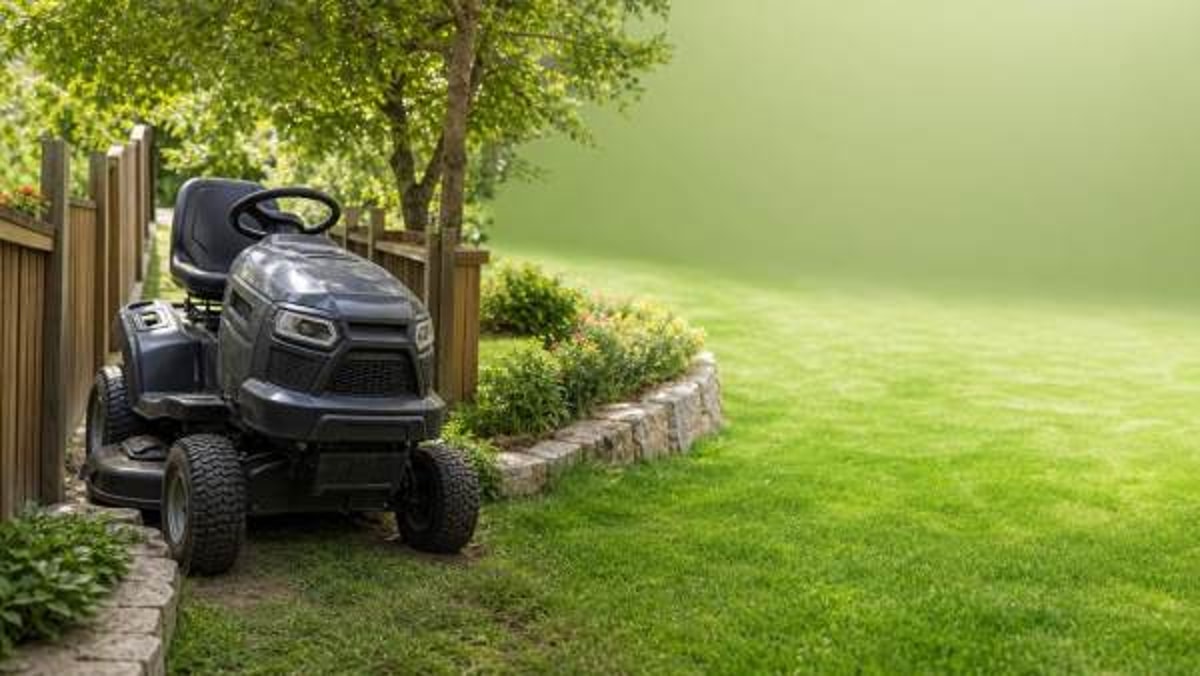
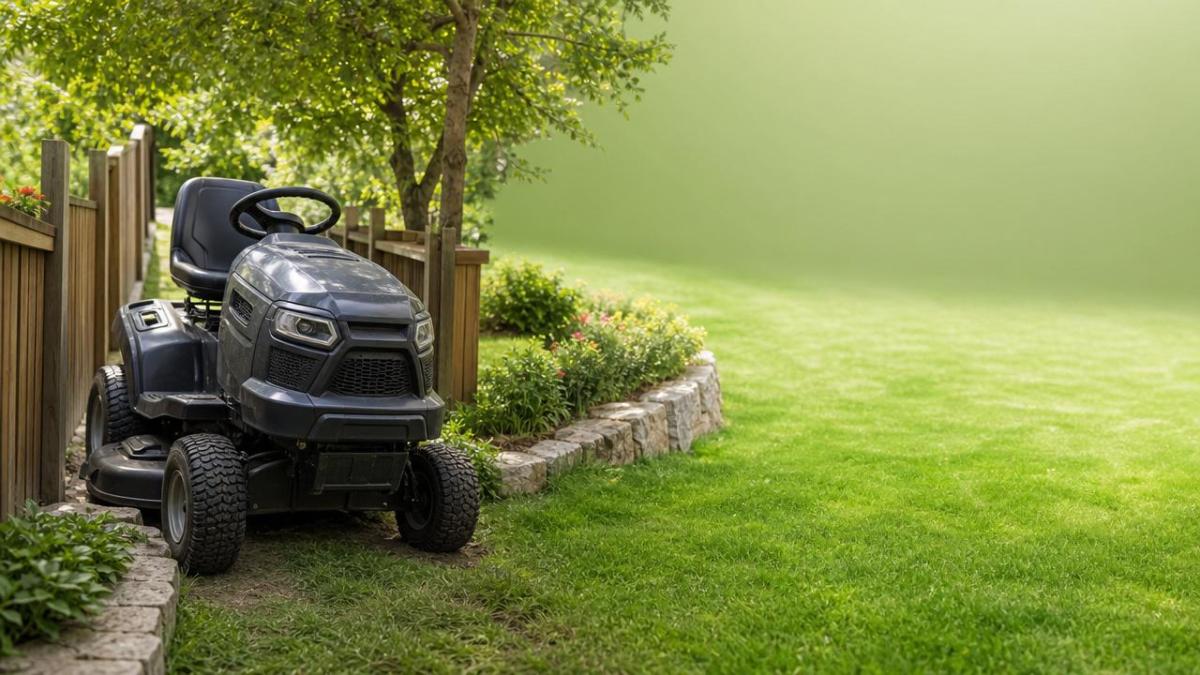
Choosing riding ride on mowers that match your property is more important than many buyers realize. A machine that is too large can reduce maneuverability, damage turf, waste fuel, and make routine mowing more difficult rather than easier. Before investing, it helps to recognize the warning signs that a mower’s size may not suit your site, layout, and practical maintenance needs.
Why mower sizing has become a bigger issue for buyers
In the past, many homeowners assumed that bigger riding ride on mowers automatically meant faster work and better value. That logic is changing. Today’s properties are more varied, with tighter landscaping, mixed-use yards, decorative beds, drainage features, fencing, and outdoor living zones that compete for space. At the same time, buyers are paying closer attention to fuel use, storage limits, maintenance costs, and the quality of the finished cut. As a result, the market is shifting from “largest deck possible” to “best fit for the site.”
This change matters because ride-on equipment is no longer judged only by acres per hour. Consumers are also evaluating turning behavior, access through gates, ease of transport, and whether the machine fits the daily realities of their land. That means the wrong size is not a minor inconvenience. It can become a long-term ownership problem that affects operating cost, turf health, and user satisfaction.
For end users, the key trend is clear: riding ride on mowers are increasingly being selected according to site complexity, not just site size. A two-acre property with steep transitions, ornamental borders, and narrow passages may require a smaller machine than a flatter, simpler property of the same area.
The strongest signals that a machine is too large for the site
Several practical warning signs suggest that riding ride on mowers may be oversized for a specific property. These signals often appear during routine mowing, transport, storage, or seasonal upkeep. Buyers who identify them early are more likely to avoid overspending on a machine that underperforms in real conditions.
- The mower cannot pass comfortably through gates, service lanes, or narrow side yards.
- You need repeated multi-point turns around trees, beds, or landscape features.
- The machine leaves scalping marks because the deck is too wide for uneven or rolling terrain.
- Turf damage appears near corners, damp areas, or tight turning zones.
- Storage becomes inconvenient, forcing outdoor parking or difficult repositioning.
- Transport on trailers or ramps feels unstable or overly complicated.
- The operator spends more time trimming missed sections than expected.
- Fuel and service costs rise without a meaningful gain in productivity.
These are not isolated annoyances. They reflect a broader buying shift in which practical usability has become more important than headline deck size or engine power. A larger unit may still be attractive in the showroom, but if it complicates routine mowing, it is not delivering true efficiency.
A trend table: how buyer priorities are changing
The following table shows how expectations around riding ride on mowers are evolving. It is a useful framework for understanding why “too large for the site” has become a more common and important question.
What is driving this shift in the riding ride on mowers market
Several forces are shaping how people evaluate riding ride on mowers today. First, residential and small commercial landscapes are becoming more intricate. Homeowners increasingly invest in design features such as retaining walls, raised gardens, ornamental trees, pathways, and water management systems. Every added feature reduces the amount of uninterrupted mowing space.
Second, operating costs matter more than before. When buyers compare a large mower with a more appropriate mid-size model, they are considering not only purchase price but also fuel consumption, blade replacement, tire wear, maintenance access, and garage footprint. A machine that looks powerful on paper can become expensive if much of its capacity goes unused.
Third, user expectations around finish quality have risen. Consumers increasingly want a clean cut without rutting, scuffing, or missed edges. Larger riding ride on mowers may perform well on broad, open ground, but on irregular sites they can produce inconsistent results simply because they cannot follow contours or navigate tight zones efficiently.
Fourth, there is greater awareness of site preservation. Heavy equipment on soft turf, especially after rain or irrigation, can compact soil and leave visible marks. On properties where appearance is a priority, buyers now pay more attention to machine footprint and turning behavior, not just horsepower.
How an oversized mower affects different parts of ownership
The consequences of selecting oversized riding ride on mowers extend beyond mowing time. They affect multiple ownership stages, from setup to resale.
For end consumers, this wider view is essential. A mower should not be assessed only during the first few minutes of a dealership demonstration. Real suitability appears over a season, across wet and dry conditions, and in every corner of the property.
Property types where oversizing is especially common
Some sites are especially prone to mismatches. One example is the medium-size residential property that includes broad front lawn space but much tighter rear access. Buyers may choose riding ride on mowers based on the open area they notice first, while underestimating the awkward zones that define everyday use.
Another common case is sloped or undulating land. On these sites, a wide deck can struggle to maintain an even cut, and a heavier machine may create traction or safety concerns. Properties with many trees or perimeter plantings also create problems, because larger mowers often require more backing and repositioning.
Rural lifestyle blocks offer a different example. They may look ideal for large riding ride on mowers, but if the maintained lawn area is broken into paddock edges, orchard rows, drainage ditches, or fenced sections, a very large machine can be inefficient. In such settings, the question is not total landholding size, but the shape and continuity of the mowable ground.
How to judge whether current market options are too large for your site
A useful buying trend is to assess the site before comparing specifications. Start with access points, then move to terrain, then to mowing pattern. If the mower cannot move easily through the property, deck size is already too ambitious. If it can pass but cannot turn cleanly without damaging turf or forcing repeated maneuvers, it may still be too large.
Consumers should also think in terms of mowing flow. Ask where you will begin, how you will circle obstacles, where clippings will discharge, and how often you will switch direction. If your imagined route includes constant reversing or skipped corners that later require a push mower or trimmer, the benefits of a larger ride-on start to shrink.
Another strong signal is storage friction. If a mower barely fits your garage, blocks access, or must remain exposed to weather, ownership becomes less convenient from day one. In the current market, convenience is not a soft factor. It directly affects maintenance quality, machine lifespan, and operator willingness to mow on schedule.
What buyers should pay attention to as the market continues to evolve
As riding ride on mowers continue to diversify, buyers should watch for equipment positioned as “productive” without enough discussion of actual site fit. Marketing language often emphasizes cutting width, engine output, or speed potential. Those are relevant, but they must be balanced against turning radius, deck behavior on uneven ground, machine weight, and overall dimensions.
It is also wise to pay attention to how sellers discuss the property itself. A high-quality recommendation increasingly starts with questions about gates, trees, drainage, storage, and slope rather than simply asking for acreage. That change in sales approach is a useful industry signal: smarter sizing is becoming part of smarter ownership.
For consumers comparing options, the most future-ready decision is often the one that preserves flexibility. A mower that handles 90 percent of your site efficiently, comfortably, and without damage will usually outperform a larger unit that looks impressive but struggles in daily conditions.
Practical decision guide before you buy
Before choosing among riding ride on mowers, confirm these judgment points:
- Measure the narrowest gate, path, or side-yard access point.
- Identify how much of the property is truly open and uninterrupted.
- Note all slopes, drainage channels, soft areas, and uneven ground.
- Estimate how much trimming will remain after mowing.
- Check storage, cleaning access, and transport needs in advance.
- Think about long-term maintenance cost, not just purchase price.
These questions reflect the broader direction of the market. The best choice is increasingly the one that reduces friction across the full ownership cycle.
Final outlook for consumers evaluating riding ride on mowers
The main industry signal is straightforward: bigger is no longer automatically better. As landscapes become more complex and ownership costs receive closer scrutiny, riding ride on mowers are being judged more carefully on fit, maneuverability, and practical efficiency. A machine that is too large for the site may slow work, increase turf damage, and create unnecessary expense over time.
If you want to make a better decision, focus on the changes that matter most: tighter property layouts, higher expectations for finish quality, and greater attention to storage and maintenance. When comparing models, ask not only how much mower you can afford, but how much mower your site can actually use well. That shift in thinking is the clearest path to choosing riding ride on mowers that deliver real value rather than oversized frustration.
Related Intelligence
- Heavy Agri MachineryRotary tillers wholesale quality checks before placing a large orderRotary tillers wholesale quality checks: verify welds, gearboxes, blades, CE compliance, and batch consistency before large orders to reduce risk and choose suppliers with confidence.
- Heavy Agri MachineryWholesale lawn mowers or ride-ons? Matching mower type to terrainWholesale lawn mowers or ride-ons? Learn how to match mower type to terrain, acreage, labor, and obstacles to stock smarter, reduce service issues, and win more commercial buyers.
- Heavy Agri MachineryManure spreaders wholesale: the maintenance issues worth checking firstManure spreaders wholesale maintenance starts with the right first checks. Discover how to inspect chains, PTO, hydraulics, and corrosion points to reduce downtime and improve spread performance.
The Morning Broadsheet
Daily chemical briefings, market shifts, and peer-reviewed summaries delivered to your terminal.
