

The Authority in Global Agricultural Chemistry & Bio-Resources
How to compare rotary tillers wholesale options by soil type
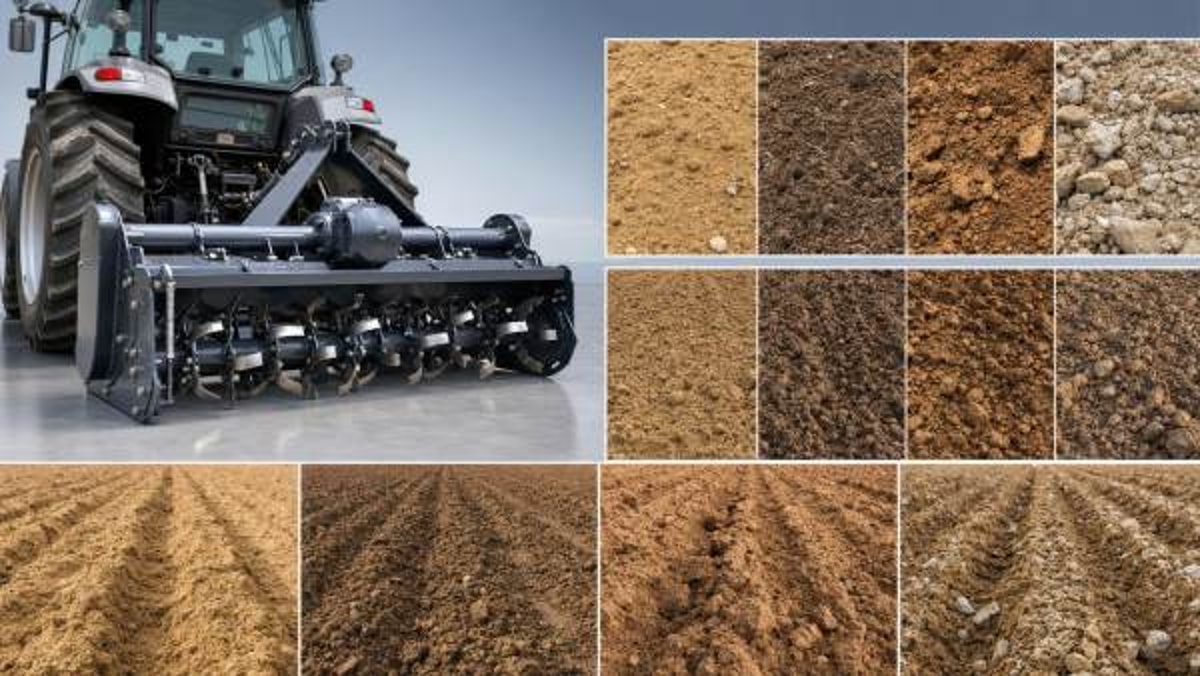
Choosing among rotary tillers wholesale options is not just about unit price—it starts with matching machine design to soil type, field conditions, and operating scale. For procurement teams, a clear comparison of tine strength, gearbox durability, working depth, and compatibility with different terrains can reduce maintenance risk and improve long-term value. This guide outlines the key factors to assess before committing to bulk purchase decisions.
What procurement teams are really comparing when soil type changes the buying decision
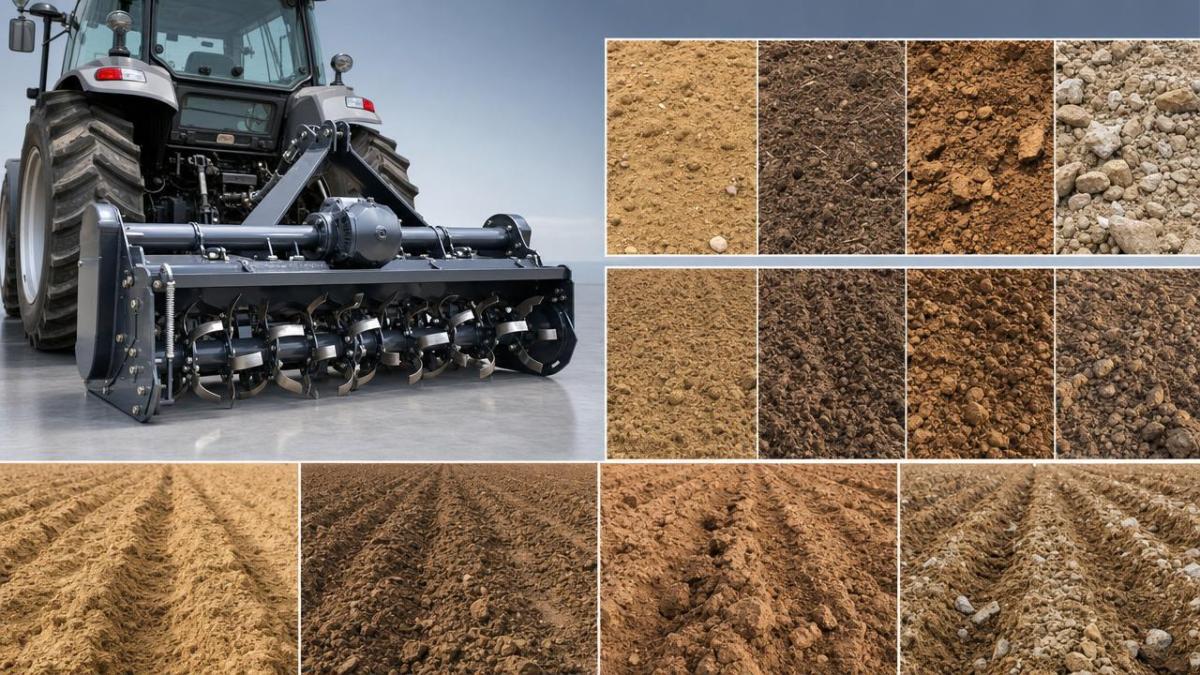
Buyers searching for rotary tillers wholesale options are rarely looking for a generic catalog. Their core intent is to identify which machine specifications will perform reliably in a specific soil environment without creating avoidable repair costs, downtime, or operator complaints after delivery.
For procurement professionals, the main question is practical: which tiller configuration offers the best fit for sandy soil, loam, clay, rocky ground, or mixed field conditions at the lowest lifecycle cost? That is a different question from simply asking which model is cheapest or which supplier offers the highest discount on volume orders.
In wholesale purchasing, soil type matters because it directly affects blade wear, traction requirements, gearbox stress, depth consistency, and fuel consumption. A model that works efficiently in light, well-drained soils may fail early in dense clay or vibration-heavy stony conditions. If the match is wrong, the apparent savings from a lower purchase price disappear quickly.
The most effective procurement approach is to compare rotary tillers through a soil-based evaluation framework. That means starting with field conditions first, then aligning machine structure, power range, transmission design, serviceability, and supplier support to those conditions.
Start with the soil profile, not the product brochure
Before comparing brands or negotiating wholesale terms, buyers should build a basic soil-use profile for the intended market or operation. This profile should include texture, moisture behavior, compaction tendency, stone content, crop residue level, and average working depth required across the target fields.
Sandy soils generally create lower draft loads and easier penetration, but they can accelerate abrasive wear on tines and side skids. Heavy clay soils generate higher resistance, greater torque demand, and more stress on driveline components, especially when worked outside the ideal moisture window. Rocky soils increase the risk of tine breakage, rotor shock loads, and housing damage.
Loam is usually the most forgiving category, but even loamy conditions vary with organic matter, moisture, and prior field traffic. In many commercial purchasing scenarios, “mixed soils” is the real operating condition. That means buyers should not rely on idealized marketing descriptions. They should request performance data or field references from operations with similar variability.
Procurement teams also need to distinguish between primary soil breaking and secondary seedbed preparation. Some rotary tillers are suitable for finishing previously loosened ground, while others are built to handle tougher, less prepared soils. Misunderstanding that difference often leads to under-specification in bulk orders.
How to compare rotary tillers wholesale options for sandy and light soils
In light soils, buyers often assume almost any tiller will work. That assumption can lead to overbuying on weight and horsepower, or underestimating long-term wear on blades. The best wholesale choice for sandy or light-textured soils is typically not the heaviest machine, but the one with durable wear components and efficient rotor design.
For these conditions, check tine material quality, hardening treatment, and replacement cost. Sandy ground can wear cutting edges faster than expected, especially in high-acreage operations. If a supplier offers attractive wholesale pricing but replacement tines are proprietary, expensive, or slow to source, the real operating cost may be higher than with a slightly more expensive machine.
Working width and rotor speed should also be assessed carefully. Light soils often allow wider coverage and faster operating speeds, which can improve field productivity. However, excessive rotor speed may produce an overly fine seedbed, raising erosion risk or moisture loss in some cropping systems. Buyers should compare models based on intended agronomic outcome, not only throughput.
Machines for light soils do not always require maximum frame mass, but they should still have reliable sealing around bearings and side drives. Fine sand intrusion can shorten bearing life if protection is weak. For wholesale contracts, ask specifically about seal design, lubrication intervals, and bearing brand standards.
What matters most in clay and compacted soils
Heavy clay is where specification mistakes become expensive. In these conditions, procurement teams should focus on torque capacity, gearbox durability, rotor shaft strength, side plate reinforcement, and compatibility with tractors that can maintain stable PTO performance under high load.
Clay soils place sustained stress on the transmission system, especially when operators attempt deeper passes or work in moisture conditions that are too wet or too dry. A machine that looks competitive on paper may suffer from overheating, gear wear, chain stretch, or repeated shear bolt failures if its driveline is undersized for dense soils.
For clay applications, it is usually worth prioritizing stronger housings, heavier-duty gearboxes, and robust tine carriers over the lowest initial cost. Buyers should request details such as gearbox horsepower rating, material thickness on the deck and side walls, and whether the machine uses gear drive or chain drive for the side transmission.
Depth control is equally important. In clay, consistent working depth influences clod size, residue incorporation, and load stability. Poor depth control can lead to uneven tillage and excessive fuel use. Compare rear roller or skid adjustment systems, and ask whether settings can be maintained under vibration and sustained field load.
If the end users operate across varying clay moisture conditions, serviceability becomes a major procurement factor. Easy access to tines, standard fasteners, and local parts availability can significantly reduce downtime during seasonal pressure periods.
How to evaluate tillers for rocky, abrasive, or uneven ground
Rocky fields create a different procurement logic. In these environments, the key issue is not only productivity but survivability. Buyers should compare tine flexibility, shock tolerance, rotor balance, welding quality, skid protection, and the machine’s ability to absorb sudden impact without damaging the gearbox or frame.
Some rotary tillers are built for cleaner soils and become uneconomical in stony ground because tine replacement frequency is too high. For rocky applications, ask about spring characteristics or tine shape, impact resistance, and whether the machine includes protective design features that reduce the chance of catastrophic driveline damage.
The side drive system deserves special scrutiny. Chain drives may be easier to service in some markets, but buyers should compare how the drive is protected from shock loads and contamination. Gear-driven systems may offer strength advantages in demanding conditions, but only if they are properly engineered and supported with reliable parts supply.
Ground clearance, housing shape, and debris flow also matter in uneven or residue-heavy fields. Machines prone to clogging or severe vibration can reduce operator confidence and increase maintenance calls. In wholesale procurement, these problems scale quickly across fleets or dealer networks.
Key machine specifications that should be compared across all soil types
While soil conditions should guide the decision, several specification categories matter in every rotary tillers wholesale evaluation. The first is tine system quality: material grade, heat treatment, shape, mounting method, and replacement cost. Tines are wear parts, but they also affect cutting performance, fuel demand, and finish quality.
The second is transmission strength. Buyers should compare PTO shaft compatibility, clutch protection, gearbox rating, side drive design, and lubrication requirements. Transmission failures are costly because they create downtime and usually require more technical service than routine blade replacement.
The third is structural integrity. Review frame thickness, weld consistency, rotor tube design, flange quality, and rear cover construction. Wholesale buyers should request photos, technical drawings, or factory process information where possible, especially when sourcing from unfamiliar OEMs.
The fourth is adjustability and compatibility. A tiller may be well built, but still unsuitable if it does not match the tractor classes commonly used by the target customers. Confirm three-point hitch category, PTO speed, horsepower range, offset options, and working width suitability.
Finally, compare maintenance architecture. Machines that require specialized tools, unusual parts, or difficult disassembly can become expensive over time. In professional procurement, maintainability is not a secondary issue; it is central to total cost control.
Wholesale comparison should include supplier capability, not just machine specs
Even when the product looks technically suitable, supplier quality can determine whether the procurement result succeeds or fails. A rotary tiller ordered in volume needs consistent manufacturing tolerances, stable component sourcing, packaging suitable for export handling, and dependable after-sales support.
Buyers should assess whether the supplier can provide batch consistency across shipments. This is especially important for distributors, OEM partners, and institutional procurement teams that need standardization in field performance and spare parts management. Variations in steel quality, tine hardness, or gearbox assembly can create uneven user experiences.
Documentation quality also matters. Serious suppliers should be able to provide specification sheets, parts diagrams, maintenance guidance, serial tracking, and testing information. If these are missing or incomplete, the buyer may face difficulties in warranty claims, service training, and downstream customer support.
Ask direct questions about lead times, minimum order quantities, spare parts stocking, claim response procedures, and quality control checkpoints. A supplier that cannot answer clearly may still offer a low ex-factory price, but the procurement risk is materially higher.
Use total cost of ownership to compare wholesale value more accurately
For procurement teams, the best method for comparing rotary tillers wholesale options is total cost of ownership rather than unit acquisition cost alone. This means estimating the full operating and support cost over the expected service period in the target soil environment.
Include expected tine replacement intervals, bearing life, gearbox failure risk, labor time for routine maintenance, freight cost for spare parts, and likely downtime during peak seasons. A lower-priced machine can become the more expensive option if it requires more frequent wear part replacement or causes more service interventions in hard soils.
Fuel efficiency should also be considered indirectly. A tiller that cuts smoothly at the correct depth with less drag can reduce tractor load and improve field efficiency. Over hundreds or thousands of hectares, that difference is commercially meaningful.
For dealer buyers or resellers, reputational cost is another ownership factor. If a machine underperforms in regional soil conditions, service complaints and reduced repeat sales can outweigh the margin earned on the original transaction. Soil-fit is therefore a commercial issue as much as a technical one.
A practical procurement checklist before placing a bulk order
Before finalizing a supplier, buyers should confirm five points. First, identify the dominant soil type and the worst-case field condition the machine must handle. Second, match the machine’s duty level to that condition rather than to average brochure claims.
Third, verify the durability of high-stress components: tines, rotor, bearings, side drive, and gearbox. Fourth, confirm tractor compatibility and realistic operating depth for the intended user base. Fifth, assess supplier reliability in terms of parts support, documentation, quality consistency, and communication speed.
Where possible, request sample units, video evidence from similar fields, or references from operations using the machine in comparable soils. Procurement decisions improve significantly when technical review is supported by field validation.
It is also wise to involve both commercial and technical stakeholders in the comparison process. Procurement may focus on price and terms, while agronomists, mechanics, or equipment managers can identify hidden performance risks linked to soil behavior and maintenance load.
Conclusion: the right wholesale choice depends on soil-fit, durability, and support
Comparing rotary tillers wholesale options by soil type leads to better buying decisions because it aligns machine design with real operating stress. Light soils reward efficient wear management and productivity. Clay demands stronger driveline and structure. Rocky ground requires impact resistance and serviceable protection features.
For procurement teams, the most reliable path is to evaluate field conditions first, then compare specifications, maintenance demands, and supplier capability through the lens of total lifecycle value. The cheapest quote is rarely the safest decision if the tiller is poorly matched to the soil it will face.
When buyers use soil type as the starting point, they reduce maintenance risk, improve equipment uptime, and make wholesale purchasing decisions that hold their value long after delivery. That is the comparison standard that matters most.
Related Intelligence
- Heavy Agri MachineryRotary tillers wholesale quality checks before placing a large orderRotary tillers wholesale quality checks: verify welds, gearboxes, blades, CE compliance, and batch consistency before large orders to reduce risk and choose suppliers with confidence.
- Heavy Agri MachineryWholesale lawn mowers or ride-ons? Matching mower type to terrainWholesale lawn mowers or ride-ons? Learn how to match mower type to terrain, acreage, labor, and obstacles to stock smarter, reduce service issues, and win more commercial buyers.
- Heavy Agri MachineryManure spreaders wholesale: the maintenance issues worth checking firstManure spreaders wholesale maintenance starts with the right first checks. Discover how to inspect chains, PTO, hydraulics, and corrosion points to reduce downtime and improve spread performance.
The Morning Broadsheet
Daily chemical briefings, market shifts, and peer-reviewed summaries delivered to your terminal.
