
Wood chipper machines wholesale: what affects output consistency
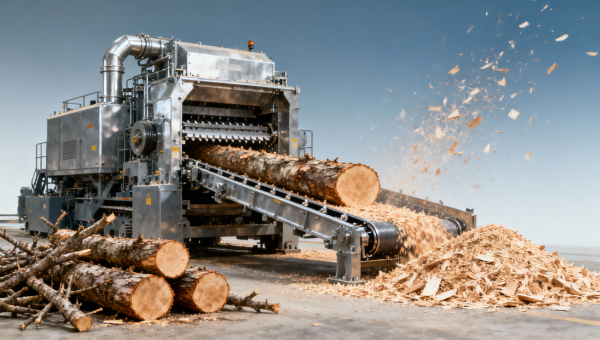
For buyers evaluating wood chipper machines wholesale, output consistency is more than a throughput metric—it determines fuel efficiency, maintenance intervals, chip quality, and project profitability. From feedstock moisture and knife condition to engine stability and operator practices, several variables shape real-world performance. This guide helps technical teams, distributors, and procurement decision-makers compare equipment more accurately across demanding forestry and biomass applications.
In wholesale procurement, the challenge is rarely limited to nameplate capacity. A machine rated at 8–15 tons per hour may still produce unstable chip size, uneven feeding behavior, or frequent overload events if site conditions and machine configuration are misaligned. For operators, this means stoppages and rework. For distributors and project owners, it can mean warranty disputes, delayed commissioning, and weaker return on capital.
A more reliable evaluation method looks at output consistency across shifts, feedstock types, and maintenance cycles. That requires buyers to assess not only rotor speed and engine power, but also feeding geometry, knife metallurgy, discharge design, control logic, and operator discipline. In forestry, biomass fuel preparation, and primary processing, steady output is often the difference between a smooth operation and a cost-heavy one.
Why output consistency matters in wholesale wood chipper machine selection
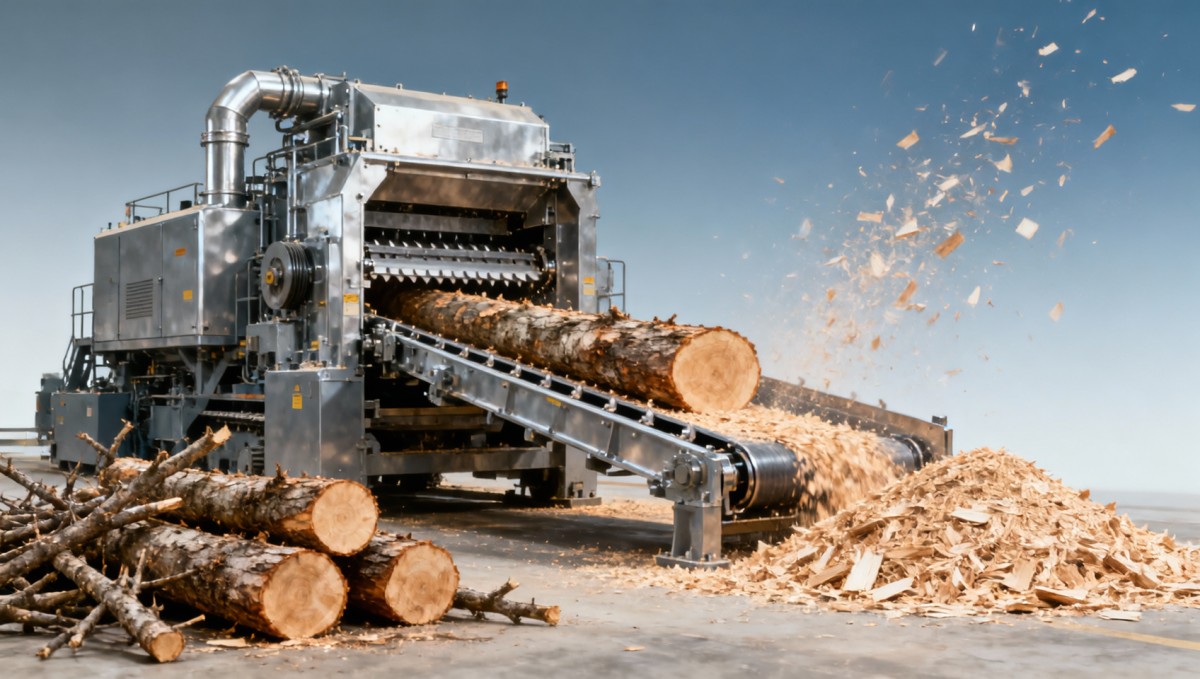
Output consistency refers to the machine’s ability to maintain a predictable chip size distribution and hourly throughput over time. In practical terms, buyers should care about three linked results: stable tons per hour, controlled particle size, and reduced variance between the first hour and the eighth hour of operation. A chipper that fluctuates by 20%–30% in throughput can disrupt downstream drying, pelletizing, transport loading, or boiler feeding.
For technical evaluators, consistency also signals whether the machine is properly engineered for industrial duty. If a unit performs well only with straight, dry branches under ideal feeding, its field value is limited. Wholesale buyers commonly work with mixed material streams such as forestry residues, orchard prunings, slab wood, or sawmill offcuts. Each of these introduces variation in density, moisture, and geometry, and the machine must absorb that variation without excessive stress.
For finance and project teams, stable output has direct cost implications. When a 300 kW to 500 kW chipper runs below expected efficiency because of erratic feeding or repeated knife changes, fuel use per ton rises, labor cost per cubic meter increases, and transport scheduling becomes less accurate. In many operations, even a 5%–8% loss in usable throughput can materially affect annual operating margin.
A consistent machine is not always the one with the highest advertised power. The better question is whether the equipment can maintain target performance across 2–3 common feedstock categories and during normal wear intervals. This is especially important for distributors building a product line, because reputation in the field depends more on predictable performance than on brochure-level peak output.
Key business impacts of inconsistent output
- Higher fuel or power cost per processed ton due to repeated load swings and idle recovery periods.
- More frequent knife sharpening or replacement, often shortening service intervals from 80–120 hours down to 40–60 hours in difficult material.
- Greater chip-size variation, which can reduce suitability for biomass combustion, mulch grading, or secondary processing.
- Operational bottlenecks when loaders, conveyors, screens, or trailers are scheduled around expected hourly output that is not maintained.
The table below shows how buyers can frame output consistency as a procurement criterion rather than a simple productivity claim.
For wholesale transactions, this approach helps technical and commercial teams compare offers on lifecycle value. It also creates a clearer basis for factory acceptance testing, commissioning targets, and after-sales support expectations.
The main variables that affect wood chipper output consistency
Feedstock is the first major variable. Moisture content, diameter range, bark level, fiber stringiness, and contamination all influence how smoothly material enters and exits the cutting zone. Fresh wood at 45%–55% moisture behaves very differently from seasoned material at 20%–30%. Wet material may compress and drag, while dry wood can fracture more easily but generate more fines. If buyers do not define feedstock conditions during evaluation, output claims remain difficult to verify.
Knife condition is another decisive factor. Sharp, correctly set knives help maintain uniform cutting force and cleaner chip formation. As edge wear increases, the machine often draws more power, pulls material less evenly, and produces a wider size distribution. Depending on timber species and contamination level, knife service intervals may range from 40 hours to more than 120 hours. Procurement teams should ask not only how many knives are installed, but how easy they are to inspect, rotate, and replace.
Rotor or drum design strongly affects feeding behavior. Larger rotor mass can help absorb momentary load variation, while proper anvil clearance improves cut quality. Feed roller pressure, infeed opening dimensions, and anti-kickback design also matter. Machines built for branchy forestry residue may require different feed geometry than chippers intended for slab wood or board trim. A mismatch here often shows up as intermittent surging, blocked discharge, or excessive recirculation of long pieces.
Powertrain stability is equally important. Whether the unit uses a diesel engine or electric drive, torque delivery must remain predictable under changing load. In mobile forestry operations, engine tuning, cooling performance, and hydraulic response can shape output as much as knife sharpness. In electric systems, motor sizing, soft-start logic, and overload protection settings influence whether the machine recovers quickly from heavier feed or trips too often.
Technical factors buyers should verify
Material-related variables
- Average diameter band, for example 50–180 mm, and the percentage of oversize material beyond that range.
- Moisture window expected during real operation, such as green wood above 40% versus partially dried feed below 30%.
- Contaminants including stones, soil, metal fragments, or bundled wire, all of which accelerate wear and destabilize cutting.
Machine-related variables
- Knife material, sharpening access, and target anvil clearance tolerance during maintenance.
- Feed roller grip and hydraulic response under uneven material presentation.
- Screen, grate, or discharge layout where applicable, especially if the process requires a narrower chip size band.
The interaction between these variables explains why two buyers can report very different outcomes from similar machines. One site may process clean plantation wood with controlled moisture, while another handles mixed roadside residue. The correct purchasing question is not “What is the maximum output?” but “What output range is realistic under my material profile for 6–8 hours per shift?”
How to compare machine configurations in wholesale procurement
Wholesale buyers often compare drum chippers, disc chippers, and heavier-duty biomass chippers in the same sourcing cycle. Although all may fit under the broad category of wood chipper machines wholesale, their output behavior can differ significantly. Disc chippers can offer cleaner cuts on more uniform feedstock, while drum-based designs may handle mixed residues with steadier intake. High-capacity biomass units often prioritize robust feeding and broad material tolerance over the narrowest possible chip grading.
Configuration decisions should also reflect deployment model. A fixed electric unit for a processing yard can justify stronger automation and lower energy cost per ton, while a mobile diesel machine may be preferred for remote forestry work. In many cases, the total cost difference over 12–24 months depends less on purchase price and more on fuel burn, wear consumption, labor intensity, and transport efficiency.
The comparison matrix below helps procurement teams align machine type with application demands instead of relying on generic marketing descriptions.
This comparison does not replace factory testing, but it narrows the shortlist. Distributors and engineering teams should request demonstration conditions that mirror the intended use case, including moisture band, species mix, target chip size, and expected daily operating hours. A 30-minute demo on easy feedstock is rarely enough for decision-grade evaluation.
A practical 5-point procurement checklist
- Define feedstock profile in measurable terms: species, moisture, diameter range, contamination risk, and seasonal change.
- Request realistic throughput ranges instead of a single maximum figure, ideally across at least 2 material categories.
- Review knife service method, spare parts lead time, and operator access for routine maintenance within 15–30 minutes.
- Confirm power demand, fuel consumption, or hydraulic requirements under partial and peak load rather than idle conditions.
- Align acceptance criteria with site objectives such as chip size band, shift output, and allowable downtime per week.
For enterprise buyers, this checklist also improves internal coordination. Technical teams can validate performance assumptions, finance can model operating costs, and safety managers can assess access, guarding, lockout procedures, and emergency stop layout before purchase commitments are finalized.
Operator practices, maintenance discipline, and site setup
Even a well-designed machine will not deliver consistent output if it is fed inconsistently or maintained reactively. Operator technique influences loading rate, presentation angle, and the proportion of oversized bundles entering the infeed. In field conditions, abrupt feeding with tangled material often causes load spikes, while steady metered feeding can keep the machine in a more efficient power band. Training is therefore a productivity variable, not only a safety requirement.
Maintenance discipline has a similarly large effect. Buyers should not treat knife replacement, anvil adjustment, bearing inspection, and hydraulic checks as generic service items. These tasks directly affect chipper output consistency. A machine running with worn knives and poor clearance may still operate, but it can lose cut quality and consume more fuel long before outright failure appears. Routine inspections every 8–10 operating hours are common in heavy-use applications.
Site setup matters as well. Uneven loader supply, poor stockpile organization, and restricted discharge flow can all reduce stable throughput. If chipped material is not removed efficiently, recirculation and chute blockage become more likely. On processing sites, conveyors and screens should be matched to expected volume with some margin, often 10%–15%, so that short-term surges do not choke the line.
For safety and quality teams, consistency should include controlled operation, not aggressive overfeeding. Emergency stops, guarding, lockout routines, and clear service access protect people while also reducing unplanned interruptions. In regulated or large-scale operations, documenting maintenance intervals and operator training can support internal audits and contractor compliance reviews.
Maintenance actions with the greatest effect on stable output
The table highlights a simple point: stable output is maintained through routine control, not only by buying a larger machine. Buyers who account for training, access, and maintenance scheduling usually achieve more reliable field performance than those who focus only on nominal capacity.
Common buying mistakes and how to validate performance before contract award
One common mistake is treating all wood chipper machines wholesale offers as interchangeable if their engine power and infeed size appear similar. In reality, machine architecture, serviceability, and control response can create very different outcomes on the same material. Another frequent error is accepting a supplier’s highest throughput figure without clarifying whether it reflects short-burst operation, ideal feedstock, or production under sustained duty.
A second mistake is underestimating the value of service support. In distributed sales networks or export projects, spare knives, wear parts, and troubleshooting response can be as important as base machine specification. If replacement parts take 3–6 weeks to arrive during peak season, the cost of lost production may exceed the savings from a lower purchase price. Distributors and agents should examine stock planning, documentation quality, and commissioning support before committing to volume orders.
Performance validation should be structured. Buyers can request a witnessed test using representative material and a defined operating window, such as 2 continuous hours after warm-up. The test should record feedstock type, moisture estimate, average diameter, fuel or power use, chip size observations, and stoppage events. This makes post-test discussions factual and helps quality, procurement, and engineering teams align on risk.
Contract language should also reflect measurable expectations. Instead of broad claims like “high productivity,” documents can reference a realistic throughput range, planned maintenance interval, standard spare parts package, and operator training scope. This reduces ambiguity and supports better project handover, especially when the machine will be integrated into a larger biomass or forestry processing line.
FAQ for evaluators and wholesale buyers
How should buyers define acceptable output consistency?
A practical starting point is to specify a throughput range rather than a single figure, along with acceptable chip-size variation and maximum stoppage frequency. For example, a buyer may require stable operation within a 10% throughput band over a 6-hour shift on defined feedstock. This is easier to verify than a peak tonnage claim.
Are higher horsepower models always more consistent?
Not necessarily. More power can provide reserve capacity, but poor feeding design, weak knife access, or unstable hydraulics can still produce erratic output. In many applications, a correctly matched 350 kW unit with better feeding and maintenance access will outperform a larger machine that is harder to keep in proper condition.
What should distributors ask factories before placing wholesale orders?
Ask for test conditions, realistic feedstock limitations, recommended spare parts for the first 6–12 months, operator training scope, and expected lead time for knives, anvils, belts, bearings, and hydraulic components. Also confirm whether the machine is intended for uniform timber, mixed residue, or industrial biomass preparation.
How long does commissioning usually take?
For a standalone unit, basic commissioning may take 1–3 days once power, fuel, and material handling are ready. Integrated lines with conveyors, screening, or dust control can require 1–2 weeks depending on site complexity, safety checks, and acceptance testing requirements.
For organizations publishing or procuring within agricultural and forestry machinery markets, the most useful comparison framework combines engineering detail with operational realism. Output consistency is shaped by material condition, cutting system design, power stability, maintenance access, and operator discipline working together. Buyers who define these variables clearly are better positioned to select machines that perform reliably beyond the showroom or short demonstration window.
If you are assessing wood chipper machines wholesale for forestry residue handling, biomass fuel preparation, or primary processing projects, a structured evaluation can reduce technical risk and improve total cost visibility. To discuss specification matching, procurement criteria, or content partnerships for industrial equipment visibility, contact AgriChem Chronicle to get a tailored solution, request deeper technical coverage, or explore more sector-specific machinery insights.
Related Intelligence
- Forestry EquipmentWhat to Check Before Buying Used Forestry EquipmentForestry equipment buyers: learn what to check before buying used units, from engine hours and hydraulics to safety, parts support, and Supply Chain Transparency.
- Forestry EquipmentWhy log splitters wholesale pricing can mislead on total costLog splitters wholesale prices can hide freight, compliance, parts, and downtime costs. Compare band sawmills bulk, wood chipper machines wholesale, and wholesale lawn mowers smarter.
- Forestry EquipmentCommercial stump grinders: the spec mismatch that slows jobsStump grinders commercial buyers: avoid costly spec mismatches that slow jobs. Compare fleet fit with a portable sawmill manufacturer, chainsaw manufacturer, log splitters wholesale, and more.
The Morning Broadsheet
Daily chemical briefings, market shifts, and peer-reviewed summaries delivered to your terminal.
