
Why log splitters wholesale pricing can mislead on total cost
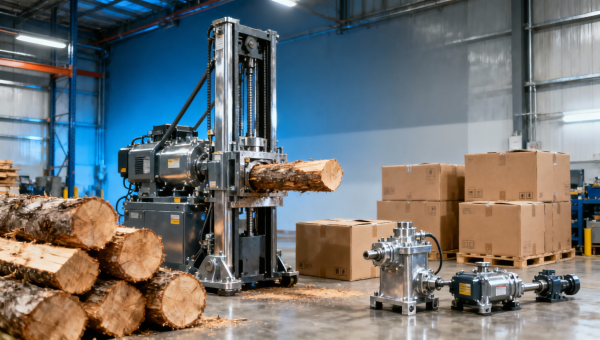
Wholesale quotes can look attractive, but the real buying decision goes far beyond sticker price. For buyers comparing log splitters wholesale offers alongside band sawmills bulk, wood chipper machines wholesale, or wholesale lawn mowers, hidden costs in freight, compliance, maintenance, parts, and downtime can quickly reshape total ownership value. This analysis helps procurement teams, operators, and technical evaluators see where pricing signals mislead and what metrics actually protect margins.
In agricultural and forestry machinery procurement, unit price is often the first filter, but rarely the decisive one. A wholesale log splitter that appears 8% to 15% cheaper on paper may become more expensive within the first 12 months if hydraulic failures, slow spare-parts supply, or poor packaging drive service interruptions and operator idle time.
For distributors, farm operators, project managers, and finance approvers, the practical question is not “Which quote is lowest?” but “Which option delivers the lowest total landed and operating cost over a realistic service cycle?” That distinction matters even more when equipment is deployed in seasonal wood processing, estate maintenance, biomass preparation, or mixed fleet operations.
Why wholesale pricing often hides the real cost base
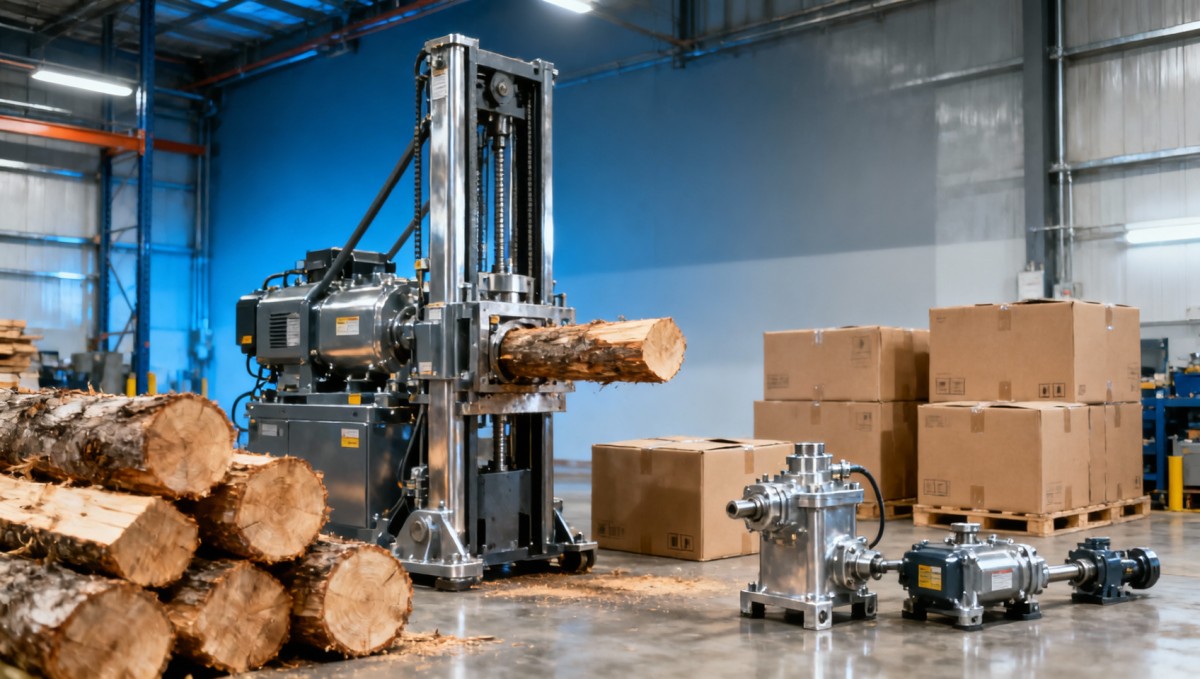
A log splitters wholesale quotation usually emphasizes ex-works or FOB price, minimum order quantity, and basic configuration. Those figures are useful, but they leave out several cost layers that procurement teams must carry into a true comparison model. In most cross-border equipment deals, 5 to 7 cost categories sit outside the first quote.
The first distortion comes from logistics. A lower machine price can be offset by heavier frames, inefficient palletization, or partial-container shipping. If a supplier’s packaging allows only 18 units per container instead of 24, freight cost per unit can rise by 20% to 30%, especially on long-haul routes or during peak season.
The second issue is specification ambiguity. Two 25-ton log splitters may not be operationally equivalent. Cycle time may differ by 3 to 6 seconds, engine or motor ratings may vary, and hydraulic component sourcing may be inconsistent. In a dealer environment, these differences affect throughput, warranty claims, and end-user satisfaction far more than a narrow unit-price gap.
A third hidden factor is compliance readiness. Depending on destination market, electrical versions may require different voltage options, guarding details, manuals, labels, emergency stop layouts, or emissions documentation. If a machine arrives without market-ready paperwork, the saving at purchase stage may disappear in inspection delays, retrofits, or relabeling work within 2 to 4 weeks.
For industrial buyers comparing wood handling machinery categories, the same pattern appears repeatedly: the cheapest quote often excludes the exact items that determine speed of deployment, uptime, and resale confidence.
Common line items missing from headline quotes
- Export packaging upgrades for sea freight, moisture protection, and handling damage reduction.
- Destination compliance documents, translated manuals, and local warning labels.
- Spare-parts starter kits covering hoses, seals, wedges, filters, switches, and couplers for the first 6 to 12 months.
- Commissioning checks, pre-delivery inspection, and dealer assembly labor.
- Warranty administration burden, including claim response time and replacement part lead time.
A simple procurement rule
If a supplier cannot break the quote into machine cost, packing cost, freight basis, documentation scope, parts support, and warranty handling terms, finance teams should assume the visible price is incomplete. In B2B machinery buying, lack of cost transparency is itself a measurable risk signal.
The total cost model buyers should use instead
A useful total cost framework for wholesale log splitters should cover the full equipment lifecycle from order confirmation to field operation. For most dealers and operators, a 24- to 36-month review window gives a realistic view of ownership cost, especially where seasonality concentrates machine usage into 4 to 7 high-load months per year.
Instead of comparing only invoice value, buyers should separate total cost into acquisition cost, landed cost, commissioning cost, operating cost, maintenance cost, downtime cost, and residual value. This structure makes cross-supplier analysis clearer and helps technical evaluators explain to finance why the lowest bid is not always the lowest-cost decision.
The table below shows how a seemingly cheaper wholesale offer can lose its advantage once realistic operating assumptions are included. The values are not a market statistic; they are an example framework based on common procurement variables in forestry and land-management equipment sourcing.
The key conclusion is straightforward: total ownership economics are influenced as much by support architecture and logistics efficiency as by manufacturing price. This is especially true for wholesale buyers who must protect dealer margin, service reputation, and seasonal delivery commitments.
Core metrics to request from suppliers
- Container loading quantity by exact model and packaging type.
- Average spare-parts dispatch lead time, ideally in days rather than vague service promises.
- Hydraulic system component list, including pump, valve, hose, and cylinder sourcing level.
- Standard warranty scope and exclusions for commercial-duty use.
- Documentation package for target market: labels, manuals, electrical diagrams, and safety instructions.
Technical variables that change cost after purchase
Many hidden costs arise from technical mismatches rather than obvious defects. In log splitters wholesale procurement, force rating alone is not enough. Buyers should also review cycle time, beam construction, cylinder stroke, wedge design, hydraulic oil temperature behavior, motor or engine service access, and compatibility with local power or fuel conditions.
For example, a machine with a 14-second cycle time may look acceptable in catalog form, but against a 10-second machine used in repetitive commercial processing, daily throughput may fall materially. Across a 6-hour operating day, even a few seconds per cycle can accumulate into lower output and higher labor cost per cubic meter of processed timber.
Hydraulic quality is another major driver. Low-cost hose assemblies, underspecified seals, or inconsistent fittings can trigger leaks after a relatively short service interval. If a distributor must hold emergency stock for 8 to 10 consumable and semi-consumable items because supplier lead time exceeds 21 days, inventory carrying cost becomes part of the real machine price.
Buyers comparing adjacent machinery such as band sawmills bulk or wood chipper machines wholesale should use the same discipline. Throughput equipment is judged in the field, not in the spreadsheet. Reliable duty cycle, maintainability, and safe operator access often matter more than the initial discount that secured the order.
Technical checkpoints before approval
The following matrix helps cross-functional teams align engineering, operations, and commercial review criteria before issuing a purchase order.
Technical review should also include operator safety and quality control. Clear guarding, stable work height, reset logic, warning labels, and documented pre-delivery inspection reduce incident risk and strengthen dealer accountability. A machine that is harder to service or less intuitive to operate creates indirect cost across training, support calls, and warranty friction.
Four signs a quote may be technically underbuilt
- Specification sheets list tonnage but omit cycle time, cylinder dimensions, or component details.
- The supplier cannot confirm replacement part availability for the next 12 months.
- Documentation uses generic images instead of actual machine configuration.
- Warranty language is broad in marketing material but narrow in commercial terms.
Procurement, compliance, and after-sales factors that protect margin
Margin protection in wholesale machinery depends on what happens after the order as much as before it. A distributor buying 20 to 100 units must consider installation readiness, claims handling, parts forecasting, and documentation control. These factors influence how quickly inventory can be sold, commissioned, and supported in the field.
Compliance is particularly important when equipment is sold across different legal environments. Even where formal certification requirements differ by market, buyers should request clear manuals, maintenance instructions, hazard labels, and traceable serial records. For commercial operators and safety managers, documentation quality is not paperwork overhead; it is a risk-control asset.
After-sales performance should be measured with operational indicators. A useful target is 48 to 72 hours for first technical response, 7 to 14 days for standard spare-parts dispatch, and a documented list of critical components stocked either by the supplier or by the local channel partner. Without those service benchmarks, a low wholesale price can quickly erode dealer confidence.
Finance and project teams should also examine payment structure. A quote with a lower unit rate but higher prepayment, weak claim terms, or unclear defect responsibility shifts risk back to the buyer. Good procurement discipline means reading commercial terms and operational support terms together, not separately.
A practical approval checklist
- Confirm landed-cost assumptions using actual packing list, unit dimensions, and loading density.
- Verify destination-ready documents, labels, and operating instructions before final payment.
- Request a recommended spare-parts package for the first operating season or first 500 hours.
- Map service response responsibility between manufacturer, importer, and dealer.
- Review warranty exclusions for commercial use, wear parts, operator misuse, and hydraulic contamination.
Where this matters most
These controls are especially relevant for buyers serving rural equipment dealers, estate maintenance contractors, biomass processors, and forestry support fleets. In such settings, a single delayed machine can disrupt a customer schedule, while repeat service issues can damage channel reputation across an entire sales season.
FAQ: decision points for buyers comparing wholesale machinery offers
Because search and procurement teams often compare multiple machinery categories in parallel, the questions below address the most common points that arise during technical and commercial review.
How should buyers compare log splitters wholesale offers with other equipment categories?
Use the same 4-part structure across categories: landed cost, throughput performance, maintenance burden, and support responsiveness. Whether the quote is for log splitters wholesale, band sawmills bulk, wood chipper machines wholesale, or wholesale lawn mowers, a standardized matrix makes hidden cost more visible and simplifies internal approval.
What order quantity starts to change freight economics materially?
This varies by machine dimensions and packaging density, but the economics usually improve sharply once buyers move from mixed small lots to container-optimized orders. Even a difference of 4 to 6 additional units per container can change the freight cost per machine enough to offset a small ex-works price advantage from another supplier.
What spare parts should be considered essential for the first season?
A starter kit commonly includes hydraulic hoses, seals, filters, couplers, switches, fasteners, and high-wear wedge-related items where applicable. Buyers should size stock based on expected utilization, but planning for the first 6 to 12 months is generally more cost-effective than relying on urgent international dispatch.
How long is a realistic delivery and launch timeline?
For standard configurations, many buyers should expect a combined production-and-shipping window of 4 to 10 weeks, followed by local inspection, assembly, or dealer preparation. Custom voltage, branding, documentation, or packaging changes may add another 1 to 3 weeks, so planning should include buffer time before peak demand season.
Which metric matters most for finance approvers?
The most useful single metric is usually cost per operating month or cost per productive hour over a 24-month period. This connects purchase price to service events, downtime exposure, and resale confidence, allowing finance teams to evaluate machinery as an operating asset rather than a one-time invoice.
A disciplined buyer treats a wholesale quote as the start of analysis, not the conclusion. When log splitters wholesale pricing is reviewed through landed cost, technical durability, compliance readiness, parts support, and downtime exposure, the true economics become much clearer. The same procurement logic applies across related equipment categories used in agriculture, forestry, and primary processing.
For procurement teams, operators, technical evaluators, and commercial distributors, the best decision is usually the offer that balances competitive acquisition cost with predictable service performance over the first 24 to 36 months. If you need a structured comparison framework, supplier review checklist, or category-specific sourcing guidance, contact us to get a tailored assessment and explore more equipment procurement solutions.
Related Intelligence
- Forestry EquipmentWhat to Check Before Buying Used Forestry EquipmentForestry equipment buyers: learn what to check before buying used units, from engine hours and hydraulics to safety, parts support, and Supply Chain Transparency.
- Forestry EquipmentBand sawmills in bulk: where downtime costs really add upBand sawmills bulk buying reveals how downtime drives real costs. Compare portable sawmill manufacturer support, log splitters wholesale, and wood chipper machines wholesale for better uptime.
- Forestry EquipmentPortable sawmill manufacturer claims that deserve a closer lookPortable sawmill manufacturer insights for buyers comparing band sawmills bulk, log splitters wholesale, stump grinders commercial, and wood chipper machines wholesale.
The Morning Broadsheet
Daily chemical briefings, market shifts, and peer-reviewed summaries delivered to your terminal.
