
Poultry Slaughterhouse Equipment and the Hygiene Gap
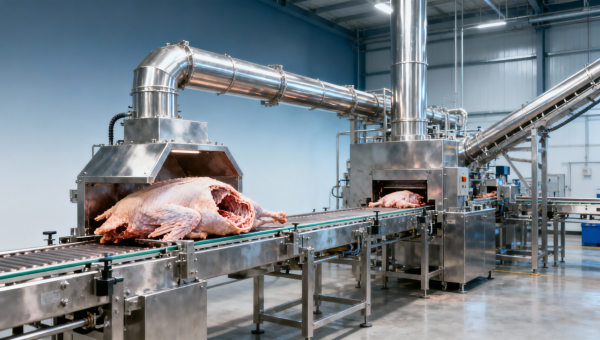
In modern protein processing, poultry slaughterhouse equipment reveals a critical hygiene gap that affects safety, yield, and compliance across integrated facilities. From pig slaughtering equipment and cattle slaughtering line systems to rendering plant equipment, blood meal processing plant units, feather meal machine solutions, and commercial abattoir equipment, every stage demands tighter sanitary design, reliable operation, and smarter procurement decisions.
For most buyers and technical teams, the core issue is not whether a line can process birds fast enough. It is whether the equipment can maintain hygienic separation, support reliable cleaning, reduce contamination risk, and still deliver acceptable throughput, labor efficiency, and operating cost. In practice, the “hygiene gap” appears where equipment capacity expands faster than sanitary design, operator discipline, washdown effectiveness, or process integration. That gap is where recalls, downgraded product, excessive water use, unplanned downtime, and compliance failures begin.
For operators, engineers, procurement teams, and decision-makers, the right question is simple: which equipment and layout choices actually reduce hygienic risk across slaughter, evisceration, by-product handling, and rendering, and which merely shift the problem downstream?
What the hygiene gap really means in poultry slaughterhouse equipment
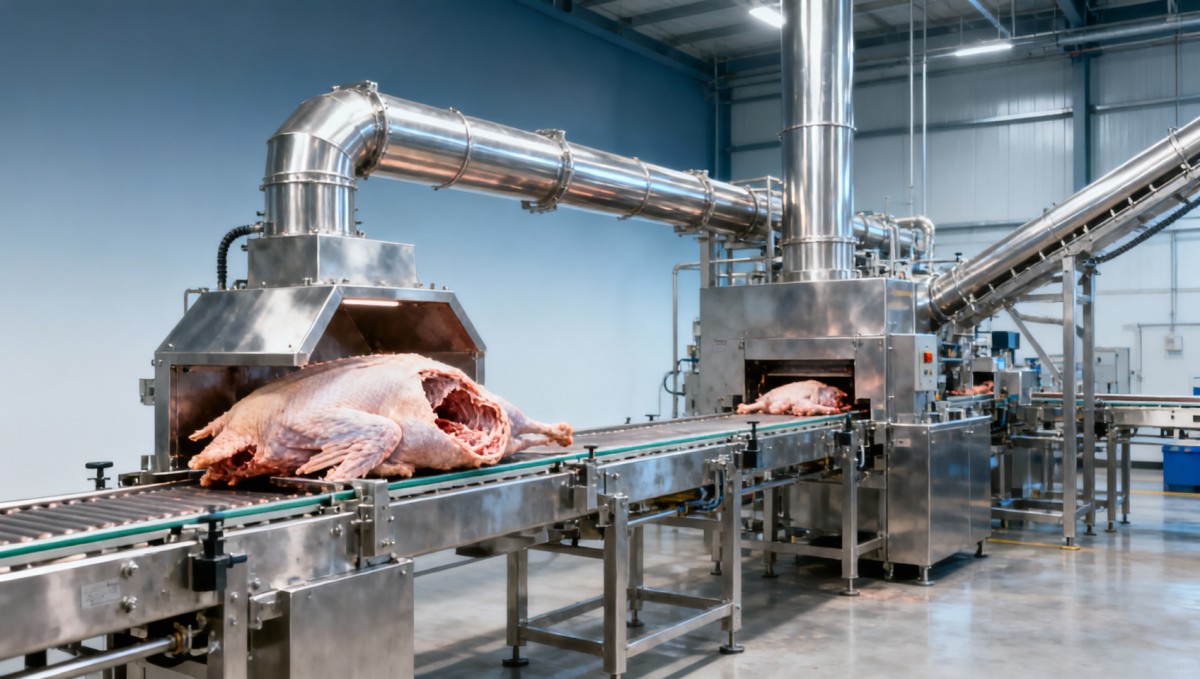
In poultry processing, the hygiene gap is the difference between nominal equipment performance and real sanitary performance under production conditions. A line may meet throughput targets on paper, yet still create contamination points through poor drainage, inaccessible contact surfaces, aerosol generation, difficult-to-clean transfer zones, or inconsistent segregation between clean and dirty areas.
This matters because poultry slaughterhouse equipment operates at the intersection of biology, mechanics, and compliance. Minor design flaws can quickly scale into major operational risks when thousands of birds per hour pass through shackling, stunning, scalding, defeathering, evisceration, chilling, grading, and by-product recovery.
Common hygiene gaps include:
- Equipment frames, guards, and conveyors with hollow sections or dead zones that trap organic material
- Transfer points that allow splashing, drip spread, or contact between contaminated and cleaned product streams
- Inadequate zoning between live bird handling, slaughter, edible product processing, and rendering inputs
- Cleaning systems that are too labor-intensive, inconsistent, or dependent on operator judgment
- By-product equipment such as blood meal processing plant systems or feather meal machine units that create cross-area sanitation challenges
- Poor integration between slaughter lines and wastewater, ventilation, and drainage systems
For integrated facilities processing multiple species or handling poultry alongside pig slaughtering equipment or cattle slaughtering line operations, these gaps can become more severe if hygienic design principles are not consistently applied across the site.
Why this gap directly affects safety, yield, and regulatory exposure
The business impact of poor sanitary design goes far beyond cleanliness. It changes plant economics.
Food safety and compliance: If contamination risks are not controlled at equipment level, the burden shifts to inspection, rework, and end-point intervention. That is rarely sustainable. Regulatory scrutiny around sanitary construction, cleanability, and hazard control is increasing across export and domestic markets.
Yield loss: Contaminated carcasses, damaged product, excessive trimming, and downgraded by-products all reduce recoverable value. Small hygiene failures at evisceration or chilling can produce measurable losses over time.
Downtime and labor cost: Equipment that requires difficult manual cleaning consumes sanitation labor, extends changeover windows, and increases variability between shifts. Hard-to-access surfaces also raise verification burdens for quality and safety teams.
Water, chemical, and energy use: A poorly designed line often needs more aggressive cleaning cycles. This increases operating cost and may strain effluent treatment capacity.
Reputation and customer qualification risk: Institutional buyers, retailers, and export partners increasingly assess not only output but process control maturity. Sanitary weaknesses in commercial abattoir equipment can affect plant approval, audit outcomes, and long-term market access.
Where the highest-risk hygiene failures usually occur in the line
Readers evaluating poultry slaughterhouse equipment should focus less on generic machine lists and more on the points where hygiene failures are most likely to originate or spread.
1. Live receiving and hanging
This is a heavily contaminated entry zone. If airflow, traffic flow, and equipment separation are weak, contamination pressure extends into downstream operations. Materials, crate handling systems, and wash areas should support containment and cleaning.
2. Scalding and defeathering
These stages can amplify contamination through water carryover, aerosol formation, and recirculated organic load. Equipment design should support controlled flow, easy draining, and effective cleaning access.
3. Evisceration
This is one of the most critical sanitary control points. Misalignment, inconsistent automation, or difficult-to-clean contact parts can drive gut breakage and contamination spread. Precision, adjustability, and rapid inspection access matter more here than headline speed alone.
4. Chilling and transfer
Whether air chilling or immersion chilling is used, the issue is cross-contact control, residue management, and hygienic movement into cut-up or packing. Conveyors, hooks, guides, and drip management require particular attention.
5. By-product and rendering interface
Facilities that include rendering plant equipment, blood meal processing plant units, and feather meal machine systems often underestimate how these areas influence whole-site hygiene. Inadequate isolation of by-product handling can create odor, aerosol, pest, and sanitation control issues that affect both compliance and operational efficiency.
How to evaluate sanitary design when comparing equipment suppliers
For procurement teams and technical evaluators, the key is to move from brochure claims to inspection criteria. A supplier may advertise stainless construction and easy cleaning, but true hygienic performance depends on details.
Use the following checklist when assessing poultry slaughterhouse equipment or broader commercial abattoir equipment packages:
- Cleanability: Can all product-contact and splash-contact zones be accessed, inspected, and cleaned without excessive disassembly?
- Material selection: Are the grades of stainless steel, seals, belts, and polymers suited to chemicals, temperature, and washdown demands?
- Drainage: Do surfaces self-drain, or do they retain water and protein residues?
- Structural design: Are there hollow bodies, overlapping plates, exposed threads, or trapped niches?
- Tool-less access: Can sanitation crews open critical areas quickly and safely?
- Segregation support: Does the equipment help maintain hygienic zoning, or does it force dirty-clean crossover in operation or maintenance?
- Automation reliability: Does the system maintain consistent handling and reduce operator-induced contamination risk?
- CIP or assisted washdown compatibility: Where applicable, is cleaning validation practical and repeatable?
- Documentation: Are sanitation SOPs, spare parts lists, surface finish data, and maintenance instructions complete and usable?
- Validation evidence: Can the supplier show installed references, audit performance, and measurable sanitation outcomes?
For mixed-species processors using pig slaughtering equipment or cattle slaughtering line assets in the same enterprise, applying a common sanitary review framework across all equipment categories helps reduce inconsistent standards between departments.
What different stakeholders should look for before approving investment
Because slaughterhouse projects involve many internal stakeholders, the hygiene gap should be assessed from several perspectives.
Operators and maintenance teams:
They need equipment that is easy to clean, safe to access, durable under washdown, and stable in daily operation. If sanitation steps are awkward, crews will improvise.
Quality control and safety managers:
They should focus on contamination points, verification ease, zoning logic, and whether the equipment supports documented hazard control rather than relying on corrective action after deviation.
Technical evaluators and engineers:
They should examine line integration, utilities, drainage, ventilation, cleanability, and whether upstream and downstream machines create hidden hygienic bottlenecks.
Procurement teams:
They should not compare bids on purchase price alone. Sanitation labor, water use, spare parts consumption, downtime frequency, and audit exposure all belong in total cost of ownership.
Enterprise decision-makers and financial approvers:
They should ask whether higher-spec sanitary design reduces long-term operating risk enough to justify added capex. In many cases, it does. The avoided cost of one major contamination event or prolonged underperformance can outweigh initial savings from a lower-cost line.
Project managers:
They should ensure hygiene is built into layout, installation, commissioning, and training plans. Even well-designed equipment underperforms when installed into poor drainage, weak room segregation, or rushed sanitation workflows.
Why by-product systems are often the hidden source of sanitation weakness
Many facilities invest heavily in the main poultry line but under-specify by-product handling. This is a common strategic mistake.
Rendering plant equipment, blood meal processing plant modules, and feather meal machine systems are not secondary from a hygiene perspective. They influence site contamination pressure, wastewater loading, odor management, transport routes, staffing patterns, and cleaning burdens. If these systems are poorly isolated or hard to sanitize, they can compromise the overall hygienic standard of the facility.
Key questions include:
- Are edible and inedible flows physically and operationally separated?
- Do by-product transfer systems minimize leakage, aerosol, and manual contact?
- Can collection bins, augers, pumps, and cookers be cleaned and inspected effectively?
- Does the rendering area have independent drainage, ventilation, and traffic control?
- Are feather, blood, and offal streams handled in a way that supports both recovery value and sanitary containment?
Processors looking to maximize by-product value should understand that good sanitation is not a cost center alone. It also protects recoverable yield and downstream ingredient quality.
How to close the hygiene gap in practical terms
Closing the hygiene gap does not always require a full plant rebuild. It requires better prioritization.
The most effective actions usually include:
- Map contamination pathways across slaughter, evisceration, chilling, cut-up, and rendering interfaces.
- Audit cleanability in real conditions, not only during factory acceptance or idle inspection.
- Upgrade the highest-risk equipment first, especially at evisceration, transfer points, and by-product handling interfaces.
- Improve drainage, zoning, and access so sanitation performance does not depend entirely on labor intensity.
- Standardize supplier evaluation around sanitary design, documentation quality, and service capability.
- Train operators and sanitation teams together, because hygiene failures often originate in the handoff between production and cleaning responsibility.
- Track measurable indicators such as cleaning time, water consumption, contamination incidents, rework rate, microbial trends, and downtime linked to sanitation issues.
For new projects, this means specifying hygienic design requirements from the start rather than treating them as optional upgrades. For existing plants, it means identifying where legacy commercial abattoir equipment no longer matches current compliance and efficiency expectations.
Final assessment: the best equipment is the one that lowers sanitary risk at system level
The central lesson behind the poultry slaughterhouse equipment and hygiene gap is that hygiene is not a single machine feature. It is a system outcome. A line that appears efficient can still be economically weak if it creates hidden contamination risk, excessive washdown cost, product loss, or audit vulnerability.
For serious buyers and technical teams, the most valuable procurement mindset is to evaluate poultry slaughterhouse equipment, pig slaughtering equipment, cattle slaughtering line assets, and rendering plant equipment as parts of one sanitary operating system. Equipment should be judged by how well it protects product, supports repeatable cleaning, maintains flow separation, and reduces long-term compliance risk.
In short, closing the hygiene gap improves more than cleanliness. It strengthens yield, buyer confidence, regulatory resilience, and total plant performance. That is the standard modern protein processing facilities should now be buying against.
Related Intelligence
- Poultry Housing & CagingPoultry Slaughterhouse Equipment and the Hygiene GapPoultry slaughterhouse equipment insights: close the hygiene gap, improve safety and yield, and compare rendering plant equipment, blood meal processing plant, feather meal machine, and commercial abattoir equipment.
- Poultry Housing & CagingSASO Replaces Poultry Housing Certification with ESMA Halal-Industrial StandardSASO replaces poultry housing certification with ESMA Halal-Industrial standard—key for exporters, manufacturers & certifiers targeting Saudi agri-infrastructure.
- Poultry Housing & CagingESMA Launches Halal-Industrial Certification for Poultry Housing & CagingHalal-Industrial certification now covers poultry housing & caging — ESMA’s groundbreaking 2026 standard for GCC exporters, manufacturers, and suppliers.
The Morning Broadsheet
Daily chemical briefings, market shifts, and peer-reviewed summaries delivered to your terminal.
