
Commercial Abattoir Equipment Upgrades Worth Doing in 2026
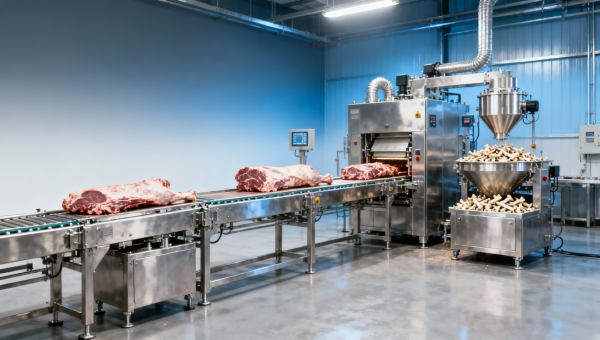
In 2026, upgrading commercial abattoir equipment is no longer just a maintenance decision—it is a strategic move for throughput, compliance, and yield. From pig slaughtering equipment and cattle slaughtering line modernization to poultry slaughterhouse equipment, rendering plant equipment, and commercial bone crusher integration, processors are rethinking every stage of plant performance. This guide highlights the upgrades worth prioritizing for safer, more efficient, and more profitable operations.
For processors, engineering teams, procurement managers, quality leaders, and financial approvers, the question is no longer whether to modernize, but which upgrades deliver the strongest operational return within 12–36 months. In commercial slaughter and by-product handling, small design bottlenecks can reduce hourly throughput, increase carcass contamination risk, and raise labor dependency across 2 or 3 shifts.
A practical upgrade strategy should balance line speed, hygiene design, worker safety, energy use, and compliance readiness. Facilities handling pigs, cattle, and poultry often face different line configurations, but the decision framework is similar: identify the highest-friction process step, quantify downtime and loss, and prioritize equipment upgrades that improve both process control and audit performance.
Upgrade Priorities That Directly Improve Throughput and Yield
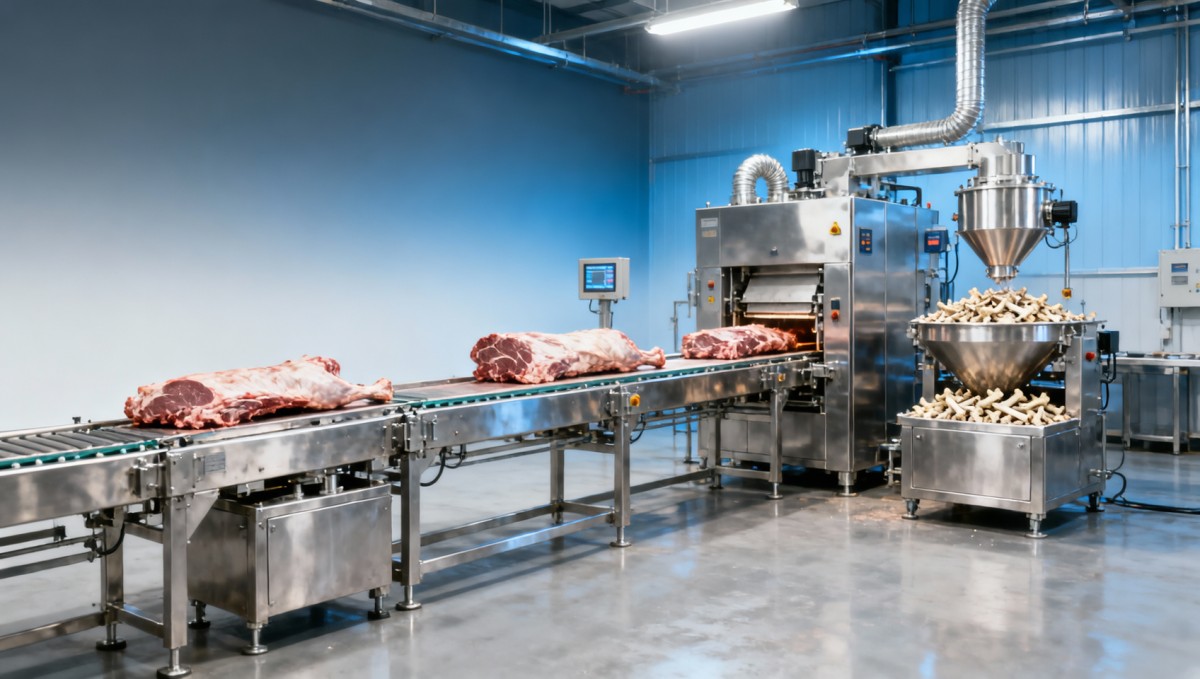
The most valuable commercial abattoir equipment upgrades are usually found in choke points rather than in low-impact replacements. In many facilities, those choke points sit at stunning, bleeding, dehairing or hide removal, evisceration, chilling transfer, and offal handling. If a line is rated at 120 heads per hour but regularly operates at 85–95, the gap is often caused by transfer inconsistency, poor synchronization, or sanitation-related micro-stoppages.
For pig slaughtering equipment, upgrades to automatic scalding control, dehairing machine alignment, and carcass conveyor tracking can reduce variation across each batch. In cattle slaughtering line modernization, hide puller control, brisket saw ergonomics, and viscera inspection station layout often have a larger impact than adding raw motor power. In poultry slaughterhouse equipment, shackling flow, defeathering consistency, and evisceration accuracy determine whether the line can sustain high speeds without unacceptable rework.
Yield improvement is not only about carcass weight retention. It also includes trimming losses, downgraded product, condemned material, and underused by-products. Rendering plant equipment upgrades and commercial bone crusher integration can convert what was previously a disposal cost into a recoverable processing stream. Even a 1.5% to 3% improvement in usable by-product recovery can materially affect profitability in medium-to-large facilities.
Where processors should look first
- High-frequency stoppage points that trigger more than 3 interruptions per shift.
- Manual handling stages where 2–4 operators are compensating for outdated transfer equipment.
- Stations with recurring washdown-related failures, especially around sensors, motors, and open-frame assemblies.
- Processes where contamination risk or inspection rework increases during peak throughput windows.
The table below summarizes upgrade categories that typically generate the clearest operational gains across multi-species or specialized slaughter facilities.
The key takeaway is that processors should prioritize synchronized equipment trains over isolated machine purchases. A fast dehairing unit or commercial bone crusher will underperform if upstream feed consistency or downstream transfer capacity remains unchanged.
Modern Hygiene and Compliance Upgrades That Reduce Operational Risk
In 2026, compliance-related upgrades deserve equal weight with productivity improvements. Abattoirs are under stronger pressure to document sanitation performance, maintain traceable process control, and limit cross-contamination risk. Equipment that looks functional but has poor hygienic design can become a recurring audit weakness, especially when surfaces trap protein residue or when open frameworks make full washdown verification difficult.
For pig slaughtering equipment and poultry slaughterhouse equipment, hygienic redesign often begins with stainless contact surfaces, fewer hollow members, cleaner weld finishing, and easier access for 15–30 minute sanitation checks between runs. For cattle slaughtering lines, it may involve improving separation between clean and dirty zones, redesigning inspection platforms, and reducing splash or aerosol generation around saws and splitters.
Safety and hygiene are closely linked. Equipment guards, lockout points, anti-slip maintenance access, and enclosed drive systems lower both injury risk and contamination exposure. For quality and safety managers, these upgrades are easier to justify because they support multiple KPIs at once: worker protection, downtime reduction, audit readiness, and product integrity.
Hygiene-focused design features worth evaluating
Material and surface criteria
Look for corrosion-resistant components suitable for repeated chemical washdown cycles, smooth contact zones, and fewer recessed fasteners. In wet environments, even minor crevice points can become chronic sanitation concerns over a 6–12 month period.
Inspection and cleaning access
A machine that saves 20 minutes per cleaning cycle across 2 shifts can free meaningful labor hours each week. Easy-open covers, removable contact parts, and visible drainage paths are often more valuable than cosmetic enclosure upgrades.
The table below can help technical evaluators and quality teams compare practical compliance-oriented upgrade factors before issuing an RFQ.
When compliance upgrades are chosen well, they do more than satisfy auditors. They create a process environment where sanitation teams, operators, and inspectors can work faster with fewer avoidable deviations.
Automation, Data Visibility, and Smart Control Upgrades
One of the most worthwhile commercial abattoir equipment upgrades in 2026 is not purely mechanical. It is the addition of smarter control layers that make line performance visible in real time. Plants that still rely on manual logging, isolated control cabinets, and reactive maintenance often miss the root causes behind stop events, overweight utility consumption, or inconsistent throughput across shifts.
Automation upgrades can range from variable-speed synchronization and sensor-assisted transfer control to recipe-based wash cycles and digital condition monitoring. For rendering plant equipment, temperature, residence time, and feed consistency monitoring can improve product uniformity and reduce unplanned cleaning. For commercial bone crusher systems, load monitoring and feed-rate control help avoid jamming events and uneven particle size that can compromise downstream processing.
The strongest automation investments are usually phased in 3 steps. First, capture reliable machine and stoppage data. Second, standardize control logic at key bottlenecks. Third, connect performance signals to maintenance and quality workflows. This staged approach typically reduces implementation risk compared with full-line digital overhauls completed in a single shutdown window.
Common high-value control upgrades
- Install sensors to monitor line speed, transfer position, and stop-event causes at 4–6 critical stations.
- Add dashboard visibility for throughput per hour, sanitation downtime, and reject or rework incidents by shift.
- Use predictive maintenance alerts for motors, bearings, and high-vibration assemblies in wet-duty zones.
- Integrate alarms with maintenance response rules so unresolved events are escalated within 10–15 minutes.
Procurement teams should still be disciplined. Not every facility needs advanced machine vision or full plant MES integration. In many abattoirs, the first 20% of digital investment delivers 60%–70% of the practical benefit by reducing avoidable stoppages and improving maintenance planning.
A useful benchmark is to ask whether the upgrade will shorten troubleshooting time, improve cleaning verification, or help sustain target throughput under real staffing conditions. If the answer is no, the automation package may be over-engineered for the site’s current maturity level.
How to Evaluate Pig, Cattle, Poultry, Rendering, and Bone Processing Upgrades
Different processing categories require different upgrade priorities. Pig slaughtering equipment often needs attention around scalding, dehairing, singeing, and carcass handling. Cattle slaughtering line modernization usually centers on hide removal, splitting, heavier carcass transfer, and operator ergonomics. Poultry slaughterhouse equipment prioritizes fast-cycle consistency, water management, and precise evisceration. Rendering plant equipment and bone processing systems must handle variable loads, abrasive material, and strict hygiene controls without compromising uptime.
Technical evaluators should build species-specific scorecards before comparing suppliers. A facility processing 400 pigs per shift does not need the same performance envelope as a mixed-species plant serving regional wholesalers. Likewise, a commercial bone crusher linked to a rendering line may be sized by hourly feed volume, particle target, washdown requirements, and maintenance accessibility rather than by motor rating alone.
The table below offers a practical framework for shortlisting upgrades by process area and decision criteria.
A structured comparison prevents purchasing mistakes driven by headline capacity alone. The right equipment is the one that fits utility conditions, staffing skill levels, sanitation routines, and the actual daily throughput range, whether that range is 60, 600, or 6,000 units per operating window.
Four supplier questions that matter
Can the line be validated under washdown and real staffing conditions?
Factory acceptance is useful, but site conditions reveal whether sanitation cycles, product variability, and operator turnover affect performance.
Are spare parts and wear items available on a realistic schedule?
Critical wear components should be obtainable within days or a few weeks, not only through long international lead times.
Implementation Planning, Budget Control, and Common Upgrade Mistakes
A strong equipment specification can still fail in execution if the plant underestimates installation constraints. Commercial abattoir upgrades often intersect with cold rooms, drain layout, steam or hot-water supply, compressed air, and hygiene zoning. A practical implementation plan should define utility checks, shutdown duration, operator training, commissioning responsibilities, and post-startup support before purchase orders are finalized.
For project managers and financial approvers, budget control improves when upgrades are separated into core scope and enabling scope. The core scope covers the machine or line module. The enabling scope includes civils, drainage changes, electrical panels, pipework, guarding, software integration, and commissioning labor. In many projects, enabling work can add 15%–35% beyond the headline equipment price, so ignoring it distorts ROI calculations.
Training is another underfunded area. Even highly automated pig slaughtering equipment or poultry slaughterhouse equipment can underperform for the first 4–8 weeks if operators and sanitation teams are not trained on changeovers, cleaning access, fault recovery, and basic inspection points. Equipment reliability is partly a design issue and partly a discipline issue.
Common mistakes to avoid
- Buying for maximum advertised capacity instead of stable daily operating capacity.
- Treating rendering plant equipment as separate from slaughter flow, even though upstream inconsistency directly affects downstream performance.
- Overlooking washdown compatibility for sensors, drives, and control enclosures in wet-duty zones.
- Failing to reserve spare wear parts for the first 6 months of operation.
- Skipping performance acceptance criteria such as throughput range, cleaning time, vibration limits, and recovery from jam events.
FAQ for buyers and plant teams
How long does a typical upgrade project take?
For a single machine replacement, lead time may be 6–14 weeks plus installation. For integrated line sections, planning, fabrication, shipping, and commissioning may extend to 3–6 months depending on customization and site readiness.
What should procurement insist on in the quotation stage?
Request a clear scope matrix covering machine supply, controls, utilities, sanitation design, documentation, commissioning, spare parts, and training hours. This reduces later disputes over exclusions.
When is a commercial bone crusher upgrade justified?
It is usually justified when the current system causes repeated jams, inconsistent feed to rendering, excessive manual size reduction, or avoidable maintenance stoppages more than once per week.
The best commercial abattoir equipment upgrades for 2026 are those that solve measurable plant constraints: unstable throughput, sanitation inefficiency, compliance exposure, labor strain, and by-product loss. Whether the focus is pig slaughtering equipment, cattle slaughtering line modernization, poultry slaughterhouse equipment, rendering plant equipment, or commercial bone crusher integration, the most successful projects pair technical fit with realistic implementation planning.
If your team is reviewing upgrade options, building a shortlist, or preparing a capital request, now is the right time to compare process bottlenecks, hygiene design, control requirements, and lifecycle service needs in one decision framework. Contact us to discuss equipment priorities, request a tailored evaluation checklist, or explore more processing solutions aligned with your plant goals.
Related Intelligence
- Heavy Agri MachineryIndia Launches Anti-Dumping Review on Chinese Heavy Agri MachineryIndia's anti-dumping sunset review on Chinese heavy agri machinery — tractors & precision seeders — proposes duty hike to 28.5%. Act now to assess impact & prepare defense.
- Heavy Agri MachineryIndia Launches Anti-Dumping Review on Chinese Agri MachineryIndia's anti-dumping review on Chinese agri machinery (tractors & precision seeders) begins April 2026 — exporters, importers & assemblers must act now to mitigate tariff risks up to 28.5%.
- Heavy Agri MachineryIs an enclosed belt conveyor safer?Enclosed belt conveyor safety explained: reduce dust, spillage, and exposure while integrating with feed grading sieve, feed pellet cooler, and magnetic separator for feed.
The Morning Broadsheet
Daily chemical briefings, market shifts, and peer-reviewed summaries delivered to your terminal.
