
FDA Updates Cybersecurity Guidelines for Food Processing Equipment: Chinese PLC Systems Require UL 2900-2-1 Certification for US Market Access
Introduction
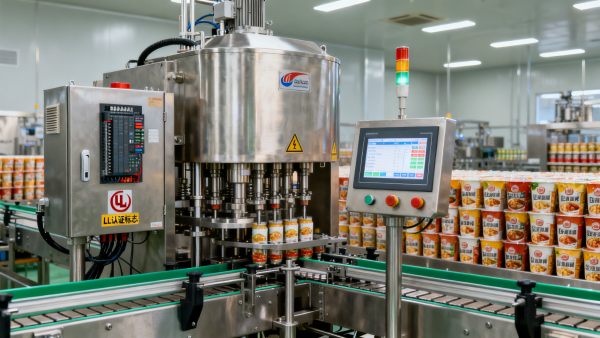
On March 26, 2026, the U.S. FDA issued revised Cybersecurity Guidelines for Food Processing Equipment, explicitly mandating that industrial PLCs, HMIs, and SCADA systems must comply with UL 2900-2-1 certification for exports to the U.S. This update directly impacts over 70% of China's mid-to-high-end food machinery exporters, including intelligent filling lines, sorting systems, and digital temperature control equipment. The move signals heightened scrutiny over industrial control system security in critical infrastructure sectors, requiring immediate attention from manufacturers, supply chain stakeholders, and certification bodies.
Event Overview
The FDA's updated guidelines now classify industrial control systems (PLCs, HMIs, SCADA) as critical cybersecurity components in food processing equipment. Key confirmed details include:
- Effective Date: March 26, 2026
- Core Requirement: Mandatory UL 2900-2-1 certification for all networked control systems in food equipment exported to the U.S.
- Scope: Covers both new equipment and retrofitted systems with software updates post-implementation.
Impacted Sub-Sectors
1. Food Machinery Manufacturers
Chinese producers of intelligent filling/packaging lines (estimated 68% U.S. market share) and optical sorting systems face:
- Extended delivery cycles due to added 4–6 months for certification
- 15–20% cost increases from mandatory third-party penetration testing under UL 2900-2-1
2. Industrial Control System Suppliers
PLC/HMI providers without pre-certified UL 2900-2-1 solutions will lose competitiveness in:
- U.S.-bound food equipment projects
- Retrofit markets where legacy systems require cybersecurity upgrades
3. Certification Service Providers
Accredited labs for UL 2900-2-1 testing may experience:
- 30–50% surge in demand from Chinese exporters
- Bottlenecks in assessment capacity for proprietary control protocols
Key Action Points
1. Prioritize Critical Product Lines
Manufacturers should audit which systems:
- Contain network-connected PLCs/HMIs
- Handle FDA-regulated processes (e.g., pasteurization, aseptic filling)
2. Engage Proactive Certification
Initiate UL 2900-2-1 gap analysis now to:
- Identify firmware/hardware modifications needed
- Align with FDA's phased enforcement (2026–2027)
3. Reassess Supply Chains
Evaluate component suppliers’ ability to provide:
- Pre-certified control modules
- Documentation for FDA audit trails
Industry Perspective
Analysis shows this reflects the FDA's hardening stance on operational technology (OT) security in food supply chains. While immediate compliance focuses on U.S. exports, the guidelines may influence other regions’ regulations. Current indications suggest this is more than a technical adjustment—it’s a strategic shift toward treating food safety and cybersecurity as interdependent risks.
Conclusion
The FDA’s update creates a de facto cybersecurity trade barrier for food equipment. Exporters should treat UL 2900-2-1 compliance as a market access prerequisite rather than a technical afterthought. Given the 12–18 month certification lead times, proactive adaptation is advised.
Sources
- U.S. FDA: Revised Cybersecurity Guidelines for Food Processing Equipment (March 26, 2026)
- UL LLC: UL 2900-2-1 Standard Documentation
- Note: Ongoing monitoring required for FDA’s implementation细则 (expected Q2 2026)
Related Intelligence
- Climate Control & VentilationSilo temperature monitoring system: Why single-point sensors miss hot spots in large-capacity binsSilo temperature monitoring system: Why single-point sensors fail in commercial grain silos, hopper bottom & flat bottom steel silos—discover distributed thermal intelligence.
- Climate Control & VentilationCommercial meat mincer performance drops sharply below -2°C — is your facility accounting for that?Commercial meat mincer performance plummets below -2°C — safeguard your sausage stuffer, vacuum tumbler & bowl cutter with cold-resilient commercial meat processing equipment.
- Climate Control & VentilationCommercial greenhouse equipment buyers overlook compatibility testing between climate and irrigation controllersCommercial greenhouse equipment buyers: avoid costly failures—test climate & irrigation controller compatibility first. Covers drip irrigation systems bulk, LED grow lights, hydroponic systems, and more.
The Morning Broadsheet
Daily chemical briefings, market shifts, and peer-reviewed summaries delivered to your terminal.
