
RCEP Third Round Tariff Cuts Take Effect: Vietnam and Malaysia Reduce Import Duties on Chinese Vacuum Freeze Dryers to 3.8%, Lowering Export Costs for Pre-made Food and Health Supplement Equipment by 12%
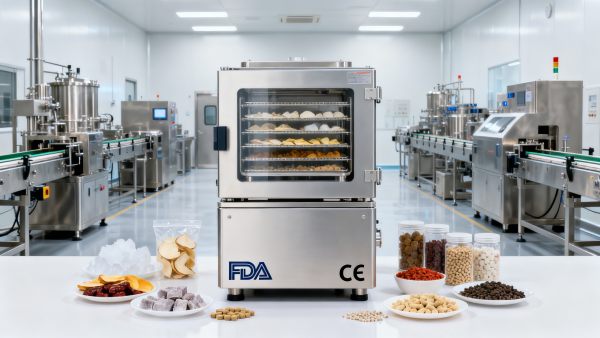
RCEP Third Round Tariff Cuts Take Effect: Vietnam and Malaysia Reduce Import Duties on Chinese Vacuum Freeze Dryers to 3.8%
Introduction: On April 1, 2026, the third round of tariff reductions under the Regional Comprehensive Economic Partnership (RCEP) came into effect, with Vietnam and Malaysia lowering import duties on Chinese-made vacuum freeze dryers from 6.5% to 3.8%. This adjustment is particularly significant for industries involved in high-value-added food processing equipment, such as pre-made meals, probiotic powders, and freeze-dried fruits and vegetables. The move is expected to reduce overall procurement costs for Southeast Asian clients, potentially stimulating regional demand and benefiting Chinese exporters with FDA/CE dual certification capabilities.
Event Overview
As of April 1, 2026, the third phase of RCEP tariff concessions has been implemented, specifically affecting vacuum freeze dryers exported from China to Vietnam and Malaysia. The tariff rate for these products has been reduced from 6.5% to 3.8%. This change is part of the broader RCEP agreement aimed at facilitating trade among member countries. The current information confirms that this adjustment applies to equipment used in the production of pre-made foods, health supplements, and processed agricultural products.
Impact on Specific Sub-sectors
1. Food Processing Equipment Manufacturers
The immediate beneficiaries of this tariff reduction are Chinese manufacturers of vacuum freeze dryers. These companies, particularly those with FDA/CE certifications, may see increased demand from Southeast Asian markets as the lower tariffs make their products more price competitive. The impact will be most noticeable in orders for equipment used in pre-made food production and health supplement manufacturing.
2. Pre-made Food and Health Supplement Producers in Southeast Asia
Southeast Asian producers relying on Chinese freeze-drying equipment will experience reduced capital expenditure costs. This could lead to either lower production costs for end products or increased investment in production capacity. The 12% reduction in equipment costs may make certain production processes more economically viable.
3. Agricultural Product Processors
Businesses involved in freeze-drying fruits, vegetables, and other agricultural products may find it more cost-effective to upgrade or expand their processing capabilities. The tariff reduction could make Chinese equipment more attractive compared to alternatives from non-RCEP countries.
Key Considerations and Recommended Actions
1. Certification and Compliance Preparation
From an industry perspective, companies should ensure their products meet international standards (particularly FDA/CE certifications) to fully capitalize on this opportunity. The tariff advantage may be most beneficial for fully compliant equipment.
2. Market-Specific Strategy Development
It would be prudent for exporters to analyze demand patterns in Vietnam and Malaysia specifically, as these markets now offer improved access. Current market intelligence suggests particular growth potential in urban areas with developing food processing industries.
3. Supply Chain and Logistics Optimization
With potential increases in order volumes, companies should evaluate their capacity to handle larger shipments to Southeast Asia. This may involve reviewing logistics partnerships or production schedules.
4. Competitive Positioning
While the tariff reduction provides an advantage, companies should consider how to maintain competitiveness beyond price factors, such as through technology differentiation or after-sales service offerings.
Editorial Perspective / Industry Observation
Analysis suggests this development represents more than just a routine tariff adjustment. It appears to be part of a broader trend of deepening economic integration within the RCEP framework, particularly in specialized manufacturing equipment. The immediate effect is measurable in cost reductions, but the longer-term significance may lie in how it reshapes regional supply chains for processed foods and health products.
From an industry standpoint, this change appears to be both a concrete business opportunity and a signal of increasing regional cooperation in food technology sectors. The market impact is likely to be gradual rather than immediate, with effects becoming more apparent over the next 12-18 months as companies adjust their procurement strategies.
Conclusion
The RCEP tariff reduction on vacuum freeze dryers represents a tangible improvement in trade conditions between China and Southeast Asian markets. While the direct cost savings are quantifiable, the broader implications for regional food processing industries warrant attention. Industry participants would be well-advised to view this development as part of an evolving trade landscape rather than an isolated event, with the understanding that its full impact will unfold progressively.
Source Information
Primary source: Official RCEP implementation notice regarding third round tariff concessions, effective April 1, 2026. Additional context drawn from verified trade data reports. Areas requiring continued monitoring include actual implementation consistency across member states and potential reciprocal adjustments in non-tariff measures.
Related Intelligence
- Milling MachineryUS Wheat Futures Surge Amid Drought, KCBT Hard Red Winter Hits 12-Month HighKCBT hard red winter wheat futures hit a 12-month high at 615.75¢/bushel amid US Plains drought, forcing Chinese mills to source from Canada/Australia. Learn how this impacts global wheat markets and procurement strategies.
- Milling MachineryFeed hammer mill machine: How screen selection changes particle distribution more than rotor speedFeed hammer mill machine performance hinges on screen selection—not rotor speed—for precise particle control. Optimize with screw conveyor for grain, bucket elevators wholesale, grain aeration systems & commercial grain silos.
- Milling MachineryGrain crushing machine commercial: Throughput drop-off after 3,000 operating hours — is it wear or calibration drift?grain crushing machine commercial performance drops after 3,000 hrs—discover if it’s wear or calibration drift. Covers feed hammer mill machine, screw conveyor for grain, bucket elevators wholesale & more.
The Morning Broadsheet
Daily chemical briefings, market shifts, and peer-reviewed summaries delivered to your terminal.
