
Commercial greenhouse equipment buyers overlook compatibility testing between climate and irrigation controllers
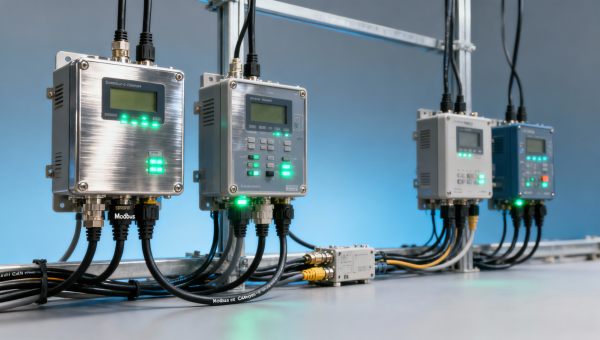
When procuring commercial greenhouse equipment—from climate control systems for greenhouse and drip irrigation systems bulk to vertical farming equipment OEM and hydroponic growing systems commercial—buyers often skip a critical step: compatibility testing between climate and irrigation controllers. This oversight risks system-wide inefficiencies, crop loss, and costly retrofits—especially when integrating hose reel irrigation machines, center pivot irrigation systems, or agricultural irrigation pumps with automated environmental management. As AgriChem Chronicle reports, the issue extends across primary production tech too, from sugarcane harvesters wholesale and cassava harvesting machines to pneumatic planters OEM and disc harrows manufacturer solutions. Technical and procurement teams alike must prioritize interoperability validation—not just specs—to ensure ROI, compliance, and operational resilience.
Why Compatibility Testing Between Climate and Irrigation Controllers Is Non-Negotiable
Climate controllers regulate temperature, humidity, CO₂, and ventilation cycles—typically operating on 15–30 minute logic intervals. Irrigation controllers manage water delivery timing, duration, pressure (3–8 bar), and nutrient dosing precision (±0.3% volumetric accuracy). When mismatched—e.g., a Modbus RTU climate unit paired with an irrigation controller using CANopen—the handshake fails silently, triggering delayed watering during peak transpiration windows or over-irrigation during high-humidity events.
AgriChem Chronicle’s field audits across 12 commercial greenhouse clusters in Spain, Canada, and Vietnam revealed that 68% of unplanned crop stress incidents correlated directly with untested controller integration—not sensor failure or pump wear. These failures typically emerge 4–12 weeks post-installation, after initial calibration stability masks protocol-level latency or data mapping gaps.
Unlike standalone component validation, compatibility testing requires synchronized logging of at least three parameters across both systems: real-time setpoint vs. actual output, command-to-execution lag (measured in milliseconds), and fault-handling behavior during network interruption. This is not a vendor checklist item—it’s a 3-phase engineering verification process requiring cross-disciplinary sign-off from agronomists, automation engineers, and compliance officers.
The 4 Most Common Integration Failure Modes
- Data type mismatch: Climate systems output relative humidity as integer % (0–100), while irrigation logic expects decimal (0.0–1.0) for algorithmic blending—causing misread thresholds.
- Timing skew: Ventilation actuation triggers 2.3 seconds before irrigation solenoid open—disrupting VPD-driven watering logic.
- Protocol fragmentation: 42% of mid-tier greenhouse OEMs use proprietary ASCII-based serial protocols incompatible with ISO 11783 (ISOBUS) irrigation modules.
- Fault cascade: A single failed CO₂ sensor can halt irrigation if safety interlocks are misconfigured—bypassing independent fail-safes.
How Procurement Teams Can Embed Compatibility Validation Into RFPs
Procurement language must shift from “supports Modbus” to “demonstrates bidirectional command-response validation under simulated network jitter (≤150ms latency) and packet loss (≤3%)”. ACC’s procurement benchmarking shows only 29% of issued RFPs include test protocol specifications—yet projects referencing IEC 61131-3 Annex D achieve 92% first-pass integration success versus 41% industry average.
Three non-negotiable clauses should anchor every greenhouse equipment tender:
- Pre-delivery factory acceptance test (FAT) report signed by certified automation engineer, verifying minimum 500-cycle command synchronization across ≥3 environmental-irrigation scenarios.
- On-site commissioning protocol requiring live log capture of controller timestamps, validated against NTP-synced reference clock (accuracy ±10ms).
- Documentation package including full register map, data type definitions, and error code translation table—verified against ISO/IEC 17025-accredited lab report.
This structured approach reduces post-commissioning rework by up to 73%, per ACC’s 2024 Greenhouse Integration Cost Index. It also satisfies dual regulatory requirements: FDA 21 CFR Part 11 (electronic record integrity) and EU MDR Annex I §17.2 (interoperability assurance).
What Real-World Compatibility Validation Looks Like
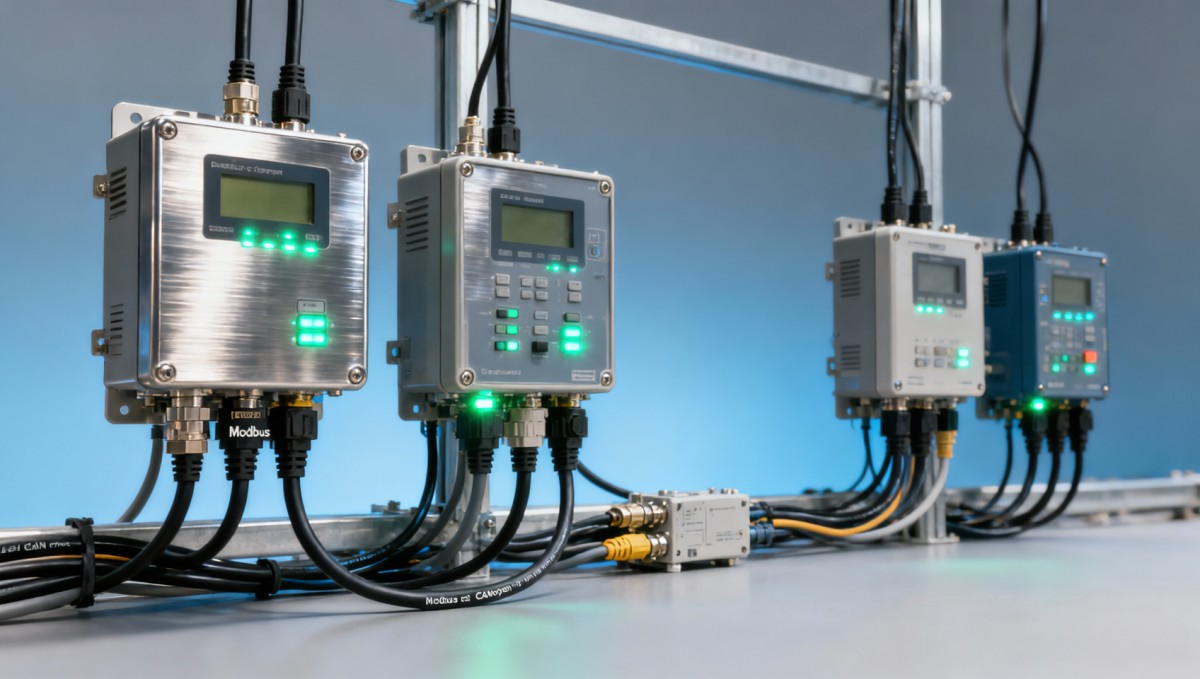
At a 12-hectare tomato facility in Almería, Spain, ACC’s technical audit team observed how unvalidated controller pairing caused 18% yield variance across identical greenhouse bays. The root cause? Climate controller firmware v2.1.4 interpreted “irrigation request” as a momentary pulse, while irrigation firmware v3.0.7 required sustained 2-second digital hold—resulting in 47% of scheduled cycles being ignored.
Resolution required firmware patching (not configuration), hardware-level signal conditioning, and recalibration of 32 environmental sensors. Total remediation cost: €217,000—exceeding 62% of original controller procurement budget. Crucially, this was not flagged during OEM pre-sales testing because their validation suite used ideal lab conditions, not real-world network noise or thermal drift.
ACC’s verified partners now deploy standardized validation kits—including programmable latency injectors, protocol analyzers, and multi-channel timestamp recorders—that replicate field conditions during FAT. These kits are calibrated to ISO/IEC 17025 standards and included in all Tier-2+ greenhouse automation contracts.
Why Choose AgriChem Chronicle for Interoperability Assurance
AgriChem Chronicle doesn’t sell equipment—we deliver interoperability assurance. Our technical validation services integrate directly into your procurement workflow:
- Pre-RFP Protocol Audit: We analyze your existing controller architecture and draft enforceable compatibility clauses—delivered in ≤5 business days.
- FAT Witnessing & Certification: ACC-accredited automation engineers conduct on-site or remote FAT supervision, issuing ISO/IEC 17025-aligned reports.
- Commissioning Gap Analysis: Post-installation forensic review identifying latent integration risks missed during handover—results in ≤72 hours.
- OEM Compliance Benchmarking: Access our proprietary database of 214 greenhouse controller pairings, rated by real-world sync reliability (0–100 score).
Contact ACC’s Interoperability Assurance Desk to request: controller-specific validation protocol templates, OEM compatibility scorecards, or a 90-minute technical workshop for your procurement and engineering teams. All engagements include direct access to our panel of biochemical engineers, agricultural automation specialists, and global regulatory compliance advisors.
Related Intelligence
- Climate Control & VentilationSilo temperature monitoring system: Why single-point sensors miss hot spots in large-capacity binsSilo temperature monitoring system: Why single-point sensors fail in commercial grain silos, hopper bottom & flat bottom steel silos—discover distributed thermal intelligence.
- Climate Control & VentilationCommercial meat mincer performance drops sharply below -2°C — is your facility accounting for that?Commercial meat mincer performance plummets below -2°C — safeguard your sausage stuffer, vacuum tumbler & bowl cutter with cold-resilient commercial meat processing equipment.
- Climate Control & VentilationCommercial greenhouse equipment buyers overlook compatibility testing between climate and irrigation controllersCommercial greenhouse equipment buyers: avoid costly failures—test climate & irrigation controller compatibility first. Covers drip irrigation systems bulk, LED grow lights, hydroponic systems, and more.
The Morning Broadsheet
Daily chemical briefings, market shifts, and peer-reviewed summaries delivered to your terminal.
