
The Authority in Global Agricultural Chemistry & Bio-Resources
China Customs Enforces GHS Label Embedding for Agrochemical Exports
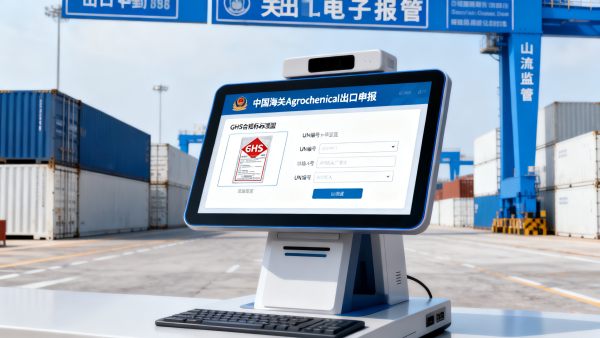
Starting May 8, 2026, China Customs has implemented a mandatory system requiring all agrochemical exports to include UN-aligned GHS-compliant label images and UN numbers at the time of declaration. This development directly affects agrochemical manufacturers, export traders, logistics providers, and global importers—particularly those operating in EU and US markets—due to real-time cross-border regulatory validation.
Event Overview
On May 8, 2026, the General Administration of Customs of China launched a mandatory digital system for agrochemical export declarations. Under this rule, exporters must upload complete, GHS-compliant label graphics—including UN identification numbers—at the time of customs submission. The system performs automated field-level validation against the European Chemicals Agency (ECHA) and U.S. Environmental Protection Agency (EPA) import databases. Non-compliant submissions trigger automatic rejection and port-side detention.
Industries Affected
Agrochemical Export Trading Firms
These firms serve as the primary interface between Chinese producers and overseas buyers. They are directly responsible for declaration accuracy and bear first-line risk of shipment delays or rejection. Impact manifests in increased pre-shipment verification workload, tighter coordination with labeling vendors, and potential liability for non-compliance penalties.
Formulation & Manufacturing Plants
Manufacturers must now embed GHS-compliant label data—including pictograms, hazard statements, precautionary statements, and UN numbers—into their internal product documentation and ERP systems. Legacy label templates without full GHS alignment no longer meet the technical requirements for export filing.
Global Importers & Distributors
While not subject to Chinese filing obligations, importers face heightened predictability in EU/US customs clearance—provided their Chinese suppliers comply. However, they must now verify upstream label readiness before purchase orders are finalized; otherwise, shipments may stall at Chinese ports before departure.
Labeling & Regulatory Support Service Providers
Third-party labeling agencies, regulatory consultants, and compliance software vendors face rising demand for GHS label generation, UN number assignment verification, and integration support with China Customs’ new electronic platform. Their role shifts from advisory to operational enablers.
What Relevant Enterprises or Practitioners Should Focus On
Monitor official guidance on label format specifications
China Customs has not yet published detailed technical requirements—for example, acceptable image resolution, file formats (e.g., PDF vs. PNG), bilingual content rules, or font size minimums. Enterprises should track updates via the Customs’ official notice portal and registered industry bulletins.
Validate label compliance for priority export destinations
Since the system cross-checks against ECHA and EPA databases, labels intended for EU or U.S. markets require stricter adherence—not only to GHS but also to region-specific supplemental elements (e.g., EU CLP Annex VI harmonized classifications or EPA signal words). Prioritize verification for top-10 destination countries by volume.
Distinguish policy enforcement from implementation readiness
Analysis shows that while the mandate is effective May 8, 2026, some regional customs offices may allow transitional handling for early submissions lacking full label metadata—especially during the first 30 days. However, this is not guaranteed and varies by port; enterprises should treat the deadline as binding unless formal grace-period notices are issued.
Update internal SOPs and coordinate with packaging/printing partners
Manufacturers and traders need to revise standard operating procedures for export documentation, integrate label validation checkpoints into order fulfillment workflows, and confirm with printing vendors whether existing label stock supports dynamic insertion of UN numbers and GHS pictograms per batch.
Editorial Perspective / Industry Observation
Observably, this measure signals a structural shift—from paper-based, post-submission review toward real-time, system-enforced regulatory alignment at the point of export. It is less a standalone compliance update and more an infrastructure-level upgrade linking China’s export control layer with key international chemical regulatory frameworks. Analysis suggests it reflects growing interoperability expectations among major trading partners, rather than merely tightening domestic oversight. From an industry perspective, sustained attention is warranted—not just for label formatting, but for how this integration may expand to other regulated chemical categories in future phases.
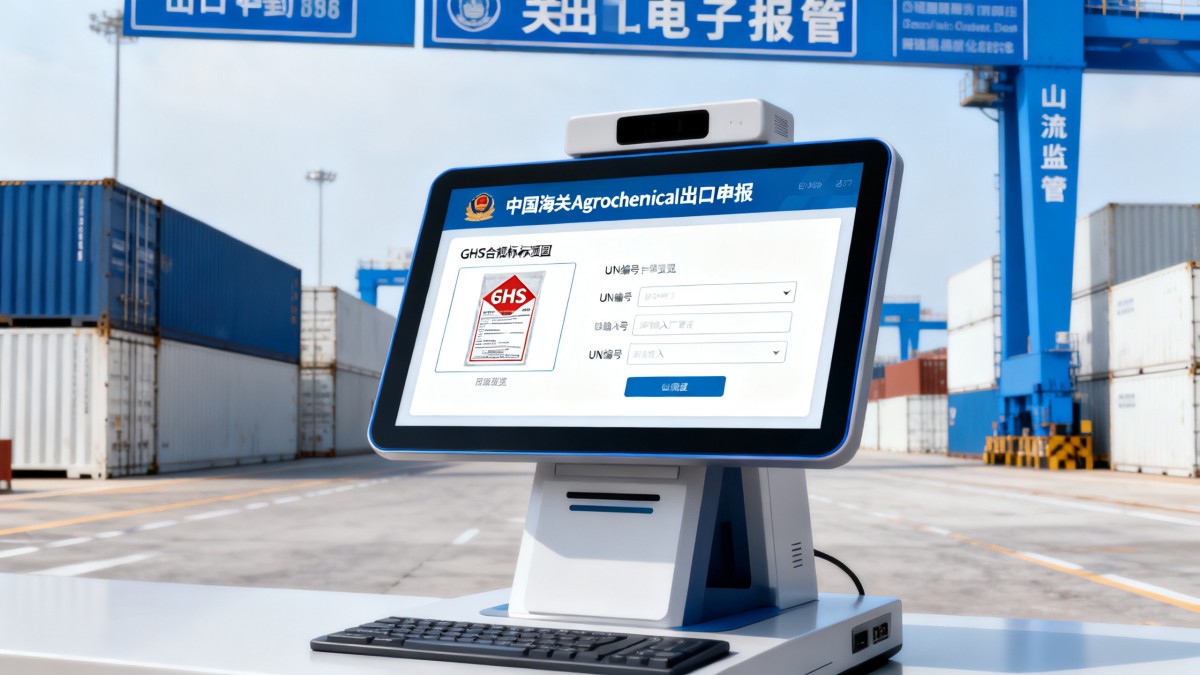
This initiative marks a consequential step in harmonizing agrochemical trade documentation across jurisdictions. Its immediate effect is procedural friction for unprepared exporters—but its longer-term implication is greater transparency and consistency in global chemical supply chain handoffs. Currently, it is best understood as an operational requirement with cross-border regulatory implications, not as a market access restriction or tariff-related measure.
Source: General Administration of Customs of China (official notice, effective May 8, 2026).
Additional details—including technical specifications and transitional arrangements—remain pending official publication and are under observation.
Related Intelligence
- AgrochemicalsChina Customs Enforces GHS Label Embedding for Agrochemical ExportsChina Customs enforces GHS label embedding for agrochemical exports—mandatory UN-aligned labels & numbers required from May 8, 2026. Stay compliant, avoid delays.
- AgrochemicalsChina Customs Mandates UN Numbers & GHS Pictograms for Agrochemical ExportsChina Customs now mandates UN numbers & GHS pictograms for agrochemical exports—avoid auto-rejection! Learn compliance steps, deadlines, and how to prepare before May 8, 2026.
- Agrochemicalse-Phyto Mandate for Agrochemicals to Thailand/Vietnam from Jun 2026e-Phyto mandate for agrochemicals to Thailand & Vietnam starts Jun 2026 — avoid port detention! Register on ThaiPhyto/PlantVn by 31 May.
The Morning Broadsheet
Daily chemical briefings, market shifts, and peer-reviewed summaries delivered to your terminal.
