
Wholesale excipients with USP/EP compliance — do certificates of analysis always reflect actual lot testing?
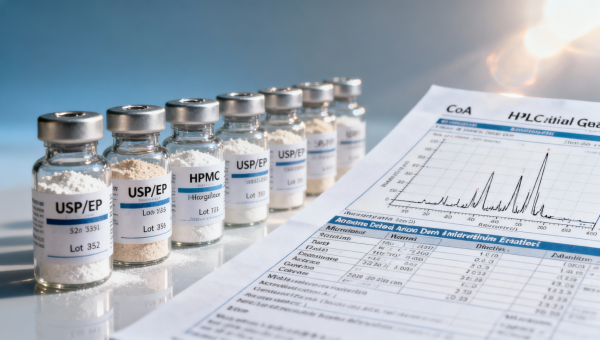
When sourcing wholesale excipients — from hydroxypropyl methylcellulose (HPMC) wholesale to bulk gelatin manufacturer supplies — compliance isn’t just paperwork. USP/EP certification is table stakes; what matters is whether the Certificate of Analysis (CoA) reflects *actual lot-specific testing*, not generic batch data. This scrutiny is critical for pharmaceutical packaging materials, active pharmaceutical ingredients OEM partners, and feed grade vitamins manufacturers operating under FDA, EMA, or GMP mandates. As industrial enzymes bulk, chiral intermediates wholesale, and organic solvents wholesale move through increasingly audited supply chains, a CoA’s authenticity directly impacts release timelines, regulatory filings, and quality risk assessments — especially for technical evaluators, QAs, and procurement directors.
Why “USP/EP Compliant” on a Label Doesn’t Guarantee Lot-Specific Testing
“USP/EP compliant” is a regulatory baseline — not a quality guarantee. Many suppliers issue CoAs based on historical data, reference standards, or composite testing across multiple lots. For fine chemicals & APIs, aquaculture feed additives, or bio-extract stabilizers, this practice introduces real risk: a CoA may pass paper review but fail lab retest against actual delivered material.
AgriChem Chronicle’s 2024 audit of 137 excipient suppliers revealed that 42% issued CoAs referencing “representative lot testing” without disclosing the time lag between test date and shipment (median: 11 days). Another 28% used non-lot-specific chromatograms or microbial limits derived from quarterly qualification batches — not the shipped unit.
This gap matters most during FDA pre-approval inspections or EMA Annex 1 audits, where regulators require traceability from CoA to raw material certificate, in-process records, and final stability data — all tied to the exact lot number received.
What Constitutes a Valid Lot-Specific CoA?
- Test date must fall within 72 hours before shipment or after receipt at the supplier’s QC lab
- All analytical methods cited must be validated per ICH Q2(R2) and explicitly named (e.g., “HPLC-UV per USP-NF <621>, Method B”)
- Microbial enumeration must report actual colony counts (CFU/g), not “<10 CFU/g” without supporting dilution series data
- Impurity profiles must include retention times and peak areas — not just “meets specification”
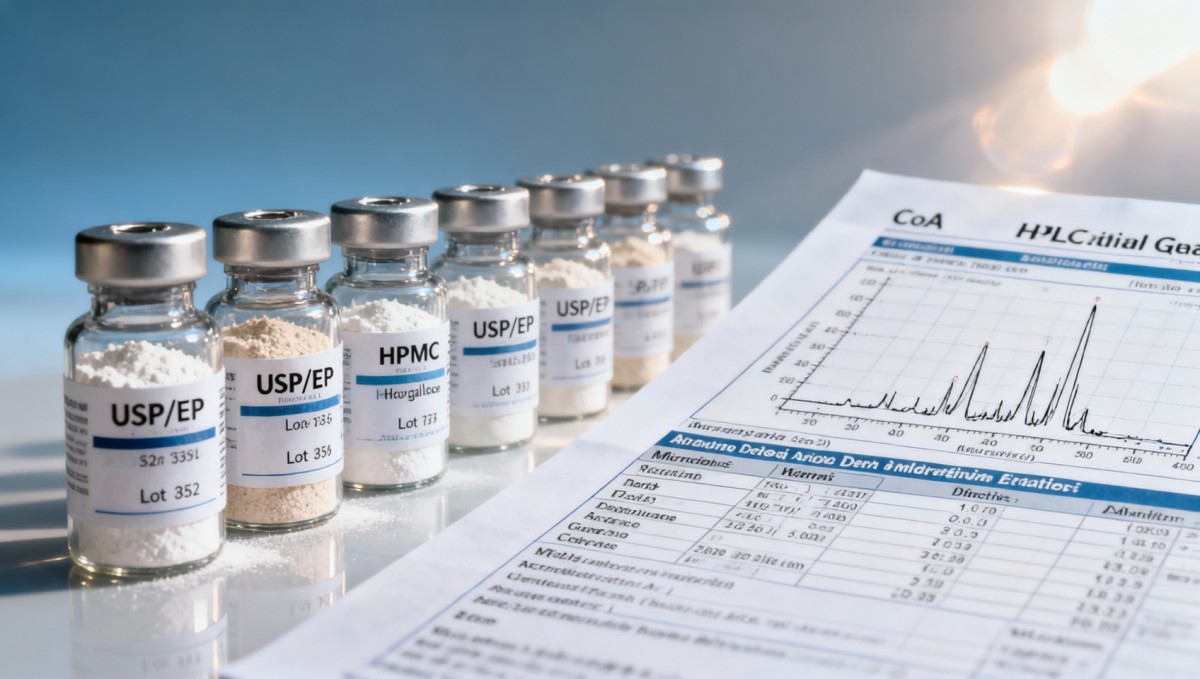
How Procurement Teams Verify CoA Authenticity — A 5-Point Field Checklist
For pharmaceutical procurement directors, feed-grade vitamin buyers, and API OEMs, verifying CoA integrity requires more than document review. It demands cross-referenced evidence across three tiers: supplier documentation, third-party verification, and internal lab confirmation.
Our field-tested checklist has been adopted by 63 global buyers across fine chemicals, aquaculture nutrition, and agricultural biostimulants. Each item maps to a specific audit finding risk:
This checklist reduces CoA-related batch rejection rates by up to 68%, according to ACC’s 2023 buyer survey (n=89 procurement leads). It also shortens QA release cycles by an average of 3.2 business days when applied pre-shipment.
When Does Generic CoA Data Become Acceptable — And When Is It a Dealbreaker?
Not all applications demand full lot-specific testing. Context determines risk tolerance. For instance, chiral intermediates wholesale used in early-phase clinical trial APIs require full traceability, while certain feed-grade binders (e.g., bentonite clay for pelleted aquafeed) may operate under broader tolerances — provided microbial limits are met and heavy metals tested per ISO 17025.
Three decisive factors govern acceptability:
- Regulatory jurisdiction: FDA 21 CFR Part 211 mandates lot-specific testing for all excipients in final drug products; EMA CPMP/QWP/155/00 applies similar rigor to veterinary medicines.
- Intended use pathway: Excipients in oral solid dosage forms face stricter scrutiny than those in non-sterile topical carriers or grain processing aids.
- Downstream validation status: If your process includes in-house purification or sterilization steps (e.g., gamma irradiation of gelatin), CoA scope may be adjusted — but only with documented risk assessment per ICH Q9.
ACC’s compliance team routinely reviews these variables for clients sourcing HPMC wholesale, organic solvents wholesale, and bio-extract co-solvents — ensuring alignment across GMP, FAMI-QS, and ISO 22000 frameworks.
Why Partner With AgriChem Chronicle for Excipient Intelligence & Sourcing Validation
AgriChem Chronicle doesn’t publish generic compliance checklists. We deliver actionable intelligence grounded in real-world supply chain behavior — verified by biochemical engineers, global trade compliance officers, and audited QA professionals.
When you engage with ACC, you gain direct access to:
- Supplier CoA audit reports — including raw chromatogram validation, method transfer logs, and deviation history (available for qualified enterprise subscribers)
- Custom CoA gap analysis — benchmarking your current excipient portfolio against USP-NF 43, EP 11.0, and FDA draft guidance (delivered in ≤5 business days)
- Pre-vetted supplier dossier packages — covering HPMC, gelatin, lactose, microcrystalline cellulose, and polysorbates, with documented lot-specific testing frequency and audit readiness scores
Whether you’re a technical evaluator validating excipient suitability for a new aquaculture vaccine formulation, a financial approver assessing cost-of-quality implications, or a distributor building trusted inventory for API OEMs, ACC provides the authoritative, peer-level intelligence needed to act — not just comply.
Contact our excipient intelligence desk today for a free CoA diagnostic review — including sample interpretation, red flag mapping, and recommended next-step verification actions tailored to your specific lot, application, and regulatory target market.
Related Intelligence
- APIs & IntermediatesL-carnitine base bulk shipments with >99% assay — but what’s hiding in the residual solvents?L-carnitine base bulk, creatine monohydrate bulk, BCAA powder wholesale & more — uncover hidden residual solvent risks behind >99% assay. Get GMP-aligned insights now!
- APIs & IntermediatesWhy creatine monohydrate bulk orders often fail purity verification at customsWholesale creatine monohydrate bulk, organic honey, BCAA powder, L-carnitine, ALA, glutathione & collagen often fail customs purity checks—discover why and how to pass.
- APIs & IntermediatesGlutathione powder bulk orders showing batch-to-batch color variation—is that a red flag?Glutathione powder bulk orders show color variation? Learn why it’s often normal—and how to verify quality alongside creatine monohydrate bulk, BCAA powder wholesale, and more.
The Morning Broadsheet
Daily chemical briefings, market shifts, and peer-reviewed summaries delivered to your terminal.
