
The Authority in Global Agricultural Chemistry & Bio-Resources
Wholesale Caustic Soda Flakes: What Changes Total Delivered Cost
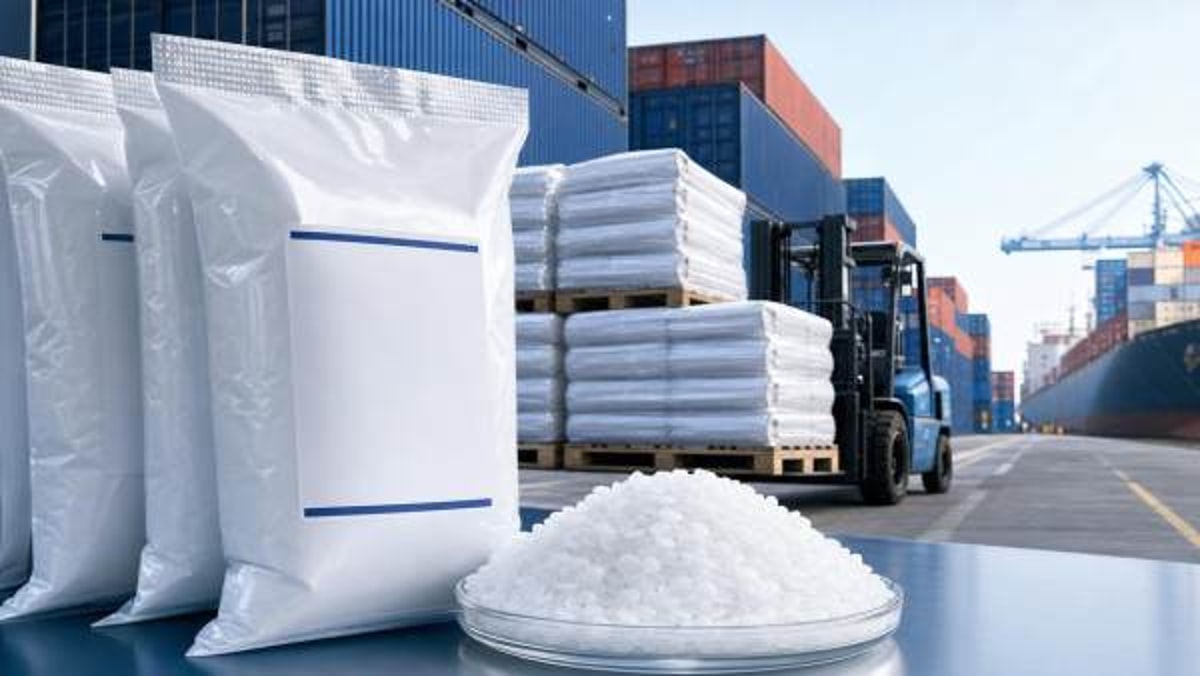
For finance approvers evaluating wholesale caustic soda flakes, the quoted unit price rarely reflects the real landed cost. Freight volatility, packaging choices, purity specifications, port fees, compliance documents, and supplier reliability can materially change total delivered cost. This article outlines the key cost drivers procurement teams should compare before approving contracts or switching sources.
Why does the quoted price of wholesale caustic soda flakes often mislead finance teams?
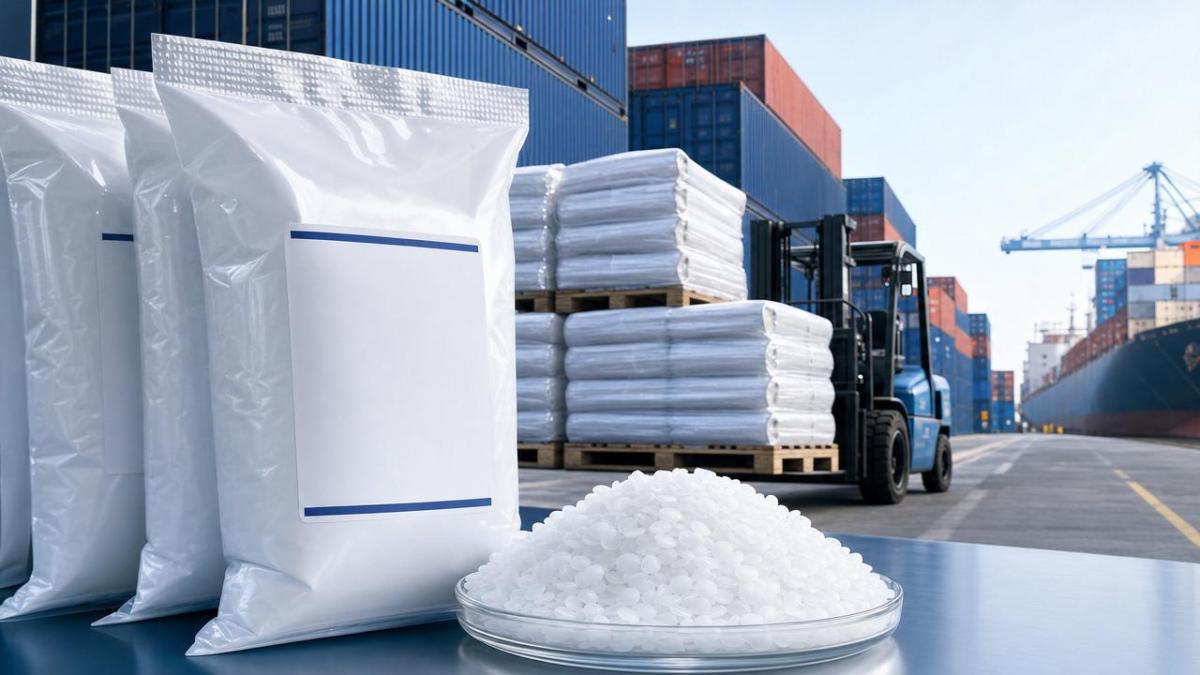
In industrial chemicals, finance approval risk usually starts with a simple mistake: treating the supplier’s ex-works or FOB number as the true procurement cost. For wholesale caustic soda flakes, that shortcut is especially dangerous because sodium hydroxide is a regulated, corrosive bulk chemical whose delivered value is shaped by logistics, handling, compliance, and loss factors as much as by the factory gate price.
This matters across agriculture, feed processing, water treatment, pulp-related applications, chemical formulation, and downstream manufacturing. In these sectors, caustic soda flakes may be used for pH adjustment, cleaning systems, intermediate processing, and specialty reactions. A low unit quote can quickly become a high landed-cost contract if packaging is unsuitable, discharge delays occur, or documentation fails import review.
For financial approvers, the right question is not “Who offered the lowest price per metric ton?” It is “Which offer creates the lowest total delivered cost at acceptable operational and compliance risk?” That shift changes how wholesale caustic soda flakes should be compared internally.
- A lower nominal price may exclude inland freight, port charges, and customs handling.
- A cheaper packaging format may increase breakage, moisture ingress, and warehouse losses.
- A supplier with weak export documentation may create delays that affect production continuity and working capital.
- Small purity or assay differences can alter effective cost per usable alkali unit.
Which cost components should be included in a real landed-cost review?
Finance teams evaluating wholesale caustic soda flakes need a cost map that extends beyond invoice price. The table below shows a practical framework used by procurement and approval teams when comparing offers from multiple sources.
A landed-cost review like this helps procurement explain to finance why two offers for wholesale caustic soda flakes that look similar on paper may be materially different in budget impact. It also creates a stronger audit trail for vendor selection.
The importance of normalizing Incoterms
Comparing EXW with CIF is not a price comparison. It is a logistics comparison hidden inside a product quote. Financial approvers should require procurement to restate all offers to a common basis, ideally delivered to plant or delivered to the receiving warehouse, before ranking suppliers.
Why “cost per ton” is less useful than “cost per usable alkali unit”
If one lot has better consistency, lower moisture uptake, and fewer handling losses, the effective cost of usable sodium hydroxide may be lower even when the invoice price is higher. This is particularly relevant for plants with strict batch control or quality-sensitive downstream processes.
How do packaging, purity, and form affect the economics of wholesale caustic soda flakes?
Finance approvers often focus on the quote and overlook the interaction between packaging and product condition on arrival. Caustic soda flakes are hygroscopic. They absorb moisture from the air, which can lead to caking, reduced free-flow performance, handling delays, and measurable inventory loss if storage is not well controlled.
The next table summarizes key selection variables that influence the delivered economics of wholesale caustic soda flakes for industrial users.
The lesson is straightforward: packaging is not a minor operational detail. For wholesale caustic soda flakes, packaging format and barrier quality directly influence the delivered cost seen by finance through labor, losses, claims, and production disruption.
What purity and specification checks should finance ask procurement to confirm?
- Assay range and whether the offered material matches the process requirement rather than merely meeting a broad market norm.
- Moisture sensitivity during shipping and storage, especially in humid or long-transit trade lanes.
- Impurity limits relevant to end use, particularly where downstream equipment or reactions are sensitive.
- Batch-level COA consistency so the plant does not absorb hidden adjustment costs.
What hidden logistics and port charges commonly change the final bill?
For imported wholesale caustic soda flakes, the biggest budget surprises often appear after the purchase order is issued. Freight may be repriced, hazardous handling procedures may trigger added terminal costs, and demurrage or detention can accumulate if the consignee is not ready or if paperwork is incomplete.
Typical post-quote charges that finance should model
- Origin charges such as stuffing, export handling, and documentation fees not included in the headline quote.
- Destination charges including terminal handling, customs examination, storage, and port security-related fees.
- Inland transport surcharges for remote plants, partial loads, or time-critical delivery windows.
- Container delays that create detention or demurrage when unloading or customs release is slow.
- Insurance gaps where cargo damage claims are difficult to recover in practice.
This is where disciplined market intelligence becomes valuable. ACC’s editorial focus on fine chemicals, regulated supply chains, and trade compliance helps procurement and finance teams move beyond simple supplier comparisons and toward route-specific cost forecasting. In volatile chemical trade lanes, that insight can be more valuable than negotiating a small discount on the list price.
How should finance approvers compare suppliers of wholesale caustic soda flakes?
A useful comparison model should combine price, reliability, documentation quality, and supply continuity. Financial approvers do not need to run the technical qualification, but they should require a structured scorecard before approving a switch in supplier or origin.
A practical approval checklist
- Confirm the quote basis and restate all offers to the same delivery point.
- Review packaging specifications, bag construction, liner type, and loading method.
- Check whether the supplier provides SDS, COA, labeling details, and export documentation before shipment.
- Evaluate lead-time stability, not only nominal production lead time but also booking reliability and transit predictability.
- Assess claims handling and replacement policy in case of damaged, caked, or off-spec material.
- Model cash-flow exposure, including deposits, payment terms, and inventory days in transit.
If a supplier offers an attractive unit price but demands tighter prepayment terms, longer transit, and higher minimum order volumes, the working-capital burden may outweigh the invoice savings. This is a frequent issue in bulk chemical sourcing and should be visible in the approval model.
Which compliance documents and standards can affect delivered cost and approval risk?
Wholesale caustic soda flakes move through a compliance environment shaped by chemical hazard communication, labeling rules, transport procedures, import controls, and end-use obligations. Even when the product itself is standard, the documentation package can determine how quickly cargo clears and whether it can be accepted into a regulated production environment.
The table below highlights document areas that commonly influence landed cost and internal approval confidence.
No finance approver needs to become a compliance specialist. However, they should insist that procurement verify whether the supplier’s document set is aligned with destination-country rules and with the plant’s own operating controls. That simple discipline reduces both direct landed cost surprises and indirect operating risk.
What mistakes do buyers make when switching sources of wholesale caustic soda flakes?
Common misconceptions
The first misconception is that caustic soda flakes are fully commoditized and therefore interchangeable. In reality, differences in packing integrity, assay consistency, transit conditions, and document quality can make one supply route cheaper in operation even when it is more expensive on paper.
The second misconception is that a successful sample or one-time shipment proves ongoing suitability. For wholesale purchasing, finance should care about repeatability: same specification, same packaging discipline, same shipping reliability, and same dispute resolution approach across multiple purchase cycles.
The third misconception is that long lead times only affect operations. They also affect financial performance through higher safety stock, more cash tied in transit, and reduced flexibility if market prices fall after a large commitment.
FAQ: what do finance approvers ask most before approving wholesale caustic soda flakes?
How should we compare two suppliers if one quote is cheaper but slower?
Compare total delivered cost, not invoice cost. Include freight exposure, payment terms, inventory carrying cost, expected losses, and the financial impact of a delayed or missed production window. The slower supplier may still win, but only if those extra costs are visible and acceptable.
Are cheaper packaging options acceptable for wholesale caustic soda flakes?
Only when storage conditions, transit time, unloading method, and humidity exposure are well understood. For hygroscopic corrosive chemicals, lower-cost packaging can generate hidden costs through caking, damaged bags, labor inefficiency, and safety concerns.
What should finance request before approving a new supplier?
Ask for a normalized delivered-cost comparison, specification sheet, packaging details, sample documentation set, lead-time assumptions, payment terms, and a risk note on claims handling. That package gives finance a stronger basis for approval than a simple side-by-side price sheet.
When do compliance issues become a direct cost problem?
Immediately. Missing SDS, incorrect labels, incomplete declarations, or disputed product identity can trigger customs delay, extra broker involvement, storage charges, and internal receiving holds. These costs can erase a negotiated price advantage very quickly.
Why work with us when assessing wholesale caustic soda flakes sourcing decisions?
AgriChem Chronicle supports institutional buyers, procurement teams, and finance approvers by translating complex chemical sourcing variables into clear decision intelligence. Our editorial coverage spans fine chemicals, primary industries, and regulated supply chains, making us particularly relevant where purchasing teams must balance price, operational continuity, and compliance confidence.
If your team is reviewing wholesale caustic soda flakes offers, planning a supplier switch, or questioning why landed cost keeps diverging from quoted cost, we can help frame the right evaluation model. You can consult us on specification confirmation, packaging comparison, delivery lead-time assumptions, documentation requirements, route-related cost risks, and quotation structure before internal approval.
This is especially useful for finance approvers who need a concise but defensible basis for sign-off. Instead of approving on unit price alone, you can request a clearer comparison covering product parameters, shipping terms, compliance documents, inventory impact, and likely exception costs. That approach strengthens procurement discipline and reduces avoidable surprises after the contract is awarded.
For organizations operating in agricultural processing, biochemical manufacturing, feed systems, water-related operations, or broader industrial chemical use, ACC provides the market context and supply-chain scrutiny needed to make more informed sourcing decisions. Reach out if you need support with quotation review, supplier evaluation criteria, contract risk checkpoints, or a more accurate landed-cost framework for wholesale caustic soda flakes.
Related Intelligence
- APIs & IntermediatesWholesale Zinc Oxide Prices Vary for Reasons Beyond PurityWholesale zinc oxide prices vary by more than purity alone. Explore how process, specs, compliance, and freight impact cost to source smarter and reduce supply risk.
- APIs & IntermediatesWholesale Iron Oxides: Shade Consistency Is Harder Than It LooksWholesale iron oxides shade consistency is harder than it looks. Learn the hidden causes of batch variation, key QC checks, and smarter sourcing steps to reduce risk and protect product quality.
- APIs & IntermediatesBulk Phosphoric Acid Buying Mistakes That Delay ProductionBulk phosphoric acid buying mistakes can trigger delays, rejects, and higher costs. Learn how to compare specs, suppliers, and documents to protect production.
The Morning Broadsheet
Daily chemical briefings, market shifts, and peer-reviewed summaries delivered to your terminal.
