

The Authority in Global Agricultural Chemistry & Bio-Resources
Wholesale Lactic Acid Selection Depends on More Than Purity

In wholesale lactic acid sourcing, purity is only the starting point for sound procurement decisions. For business evaluators assessing suppliers across regulated and price-sensitive markets, factors such as production method, grade consistency, documentation, traceability, logistics stability, and end-use compliance often determine long-term value more than a single specification line. Understanding these variables is essential to reducing risk and selecting a dependable industrial partner.
Why wholesale lactic acid evaluation needs a broader framework
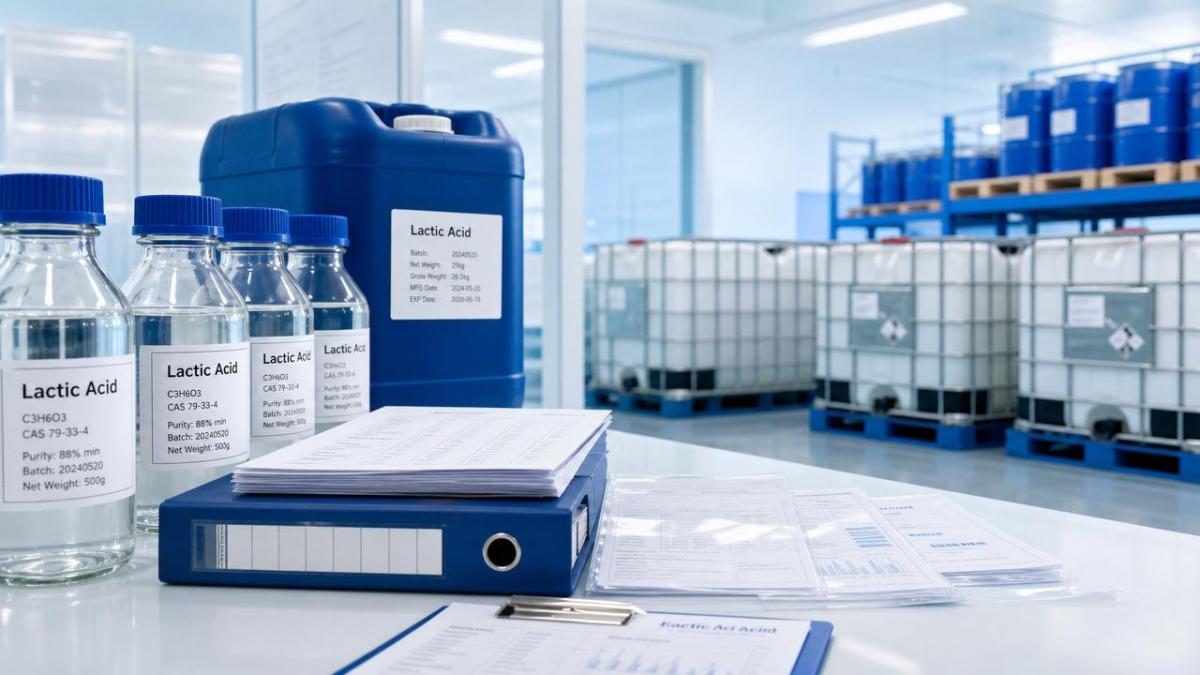
Many procurement teams begin a wholesale lactic acid review by comparing assay percentage and price per metric ton. That approach is convenient, but it is often incomplete. In cross-industry purchasing, lactic acid may be used in food processing, personal care, pharmaceuticals, agriculture, fermentation systems, cleaning formulations, or biodegradable material production. Each application introduces different performance and compliance requirements.
For business evaluators, the real question is not simply whether a supplier can deliver lactic acid with acceptable purity. It is whether the supplier can deliver the right grade, in the right packaging, with repeatable technical characteristics, acceptable documentation, and predictable lead times across multiple purchase cycles.
This is where a disciplined sourcing framework matters. AgriChem Chronicle regularly examines industrial raw material markets where technical specifications, regulatory scrutiny, and supply chain transparency intersect. In that environment, wholesale lactic acid should be evaluated as a risk-managed procurement category rather than a commodity line item.
- Purity alone does not confirm process suitability, especially where color, odor, residual solvents, or microbial controls affect downstream use.
- A low unit price may hide higher total costs caused by inconsistent concentration, freight complications, or rejected batches.
- Documentation quality directly affects importer clearance, customer audits, and qualification speed for regulated buyers.
What should business evaluators compare beyond purity?
A practical wholesale lactic acid assessment should combine technical, commercial, and compliance dimensions. The table below summarizes the factors that usually have the strongest impact on supplier selection and long-term procurement reliability.
For many industrial buyers, these factors shape total procurement value more than a narrow purity comparison. A supplier that supports stable documentation, technical clarity, and resilient delivery often outperforms a cheaper source with inconsistent execution.
Common signals that a supplier deserves deeper review
Business evaluators should not treat every quotation as equally qualified. Several signals justify a more detailed review before moving into annual contracts or larger-volume purchasing.
- The quoted concentration looks competitive, but specification tolerances are vague.
- The supplier offers attractive freight terms, yet packaging suitability for corrosive liquid handling is not clear.
- Regulatory or application-specific declarations are promised later rather than supplied during evaluation.
- Lead times seem short, but no visible evidence of inventory planning or production scheduling is provided.
How production method changes the value of wholesale lactic acid
Not all wholesale lactic acid is equivalent from a process standpoint. Production route affects optical composition, impurity patterns, odor profile, and customer acceptance in certain applications. Business evaluators should ask how the product is made, what feedstocks are used, and how the supplier controls fermentation and purification.
This matters especially in sectors where downstream manufacturers market natural-origin ingredients, bio-based content, or strict formulation consistency. In such cases, procurement teams are not just buying an acidulant or intermediate. They are buying a documented manufacturing profile that supports claims, audits, and formulation stability.
Questions worth asking during supplier qualification
- Is the wholesale lactic acid produced through fermentation, and if so, what are the main carbohydrate feedstocks?
- What purification steps are used to control residual impurities, color, and odor?
- Are there defined controls for metal content, microbiological load, or other application-specific risk factors?
- Can the supplier maintain the same specification profile through seasonal raw material variation or plant maintenance periods?
AgriChem Chronicle’s editorial approach is particularly useful here because wholesale material decisions increasingly sit between chemistry, compliance, and logistics. A source that appears interchangeable on paper may create major downstream variation when process details are ignored.
Which grades and application scenarios require different buying criteria?
A strong wholesale lactic acid strategy starts with application clarity. Buying criteria should reflect intended use, not just baseline specification. The table below provides a practical view of how procurement priorities change across common commercial scenarios.
This comparison shows why a single sourcing checklist is rarely enough. Wholesale lactic acid procurement becomes more accurate when evaluators begin with end-use mapping and then match specification, evidence, and logistics to that scenario.
What compliance and documentation should buyers request?
In regulated or export-oriented supply chains, missing paperwork can be more damaging than a modest price gap. Business evaluators should establish a documentation matrix early in the qualification process. That matrix should reflect application, destination market, and internal quality approval procedures.
Core documents usually needed for wholesale lactic acid
- Certificate of Analysis for each lot, with clearly stated test methods and acceptance ranges.
- Safety Data Sheet aligned with the destination market’s transport and hazard communication rules.
- Technical Data Sheet describing concentration, density, storage conditions, shelf life, and common application guidance.
- Statements related to origin, manufacturing process, and relevant food, pharma, or industrial compliance requirements where applicable.
- Change notification procedures so downstream users are not surprised by process, packaging, or raw material adjustments.
References to frameworks such as GMP, FDA-facing documentation expectations, or environmental handling obligations may become relevant depending on the final application. The key point is not to assume that generic paperwork is sufficient. Procurement teams should define what “qualification complete” means before price negotiations begin.
How to compare cost without missing hidden risks
Price pressure is real, especially when wholesale lactic acid is purchased in recurring industrial volumes. Yet the cheapest quotation may create the highest landed cost if concentration variation, packaging loss, freight disruption, or approval delays erode operational efficiency.
A better total-cost view includes
- Usable concentration at point of application rather than nameplate specification alone.
- Packaging cost differences between drums, IBCs, and bulk delivery, including unloading efficiency and waste handling.
- Administrative cost of supplier onboarding, document review, and recurring compliance updates.
- Risk cost of delayed shipments during seasonal demand spikes or regional freight disruptions.
- Quality deviation cost, including retesting, line downtime, reformulation, or customer claims.
This is particularly important for evaluators serving organizations with multiple business units. A slightly higher-cost wholesale lactic acid source may be the better strategic choice if it reduces approval friction across food, biochemical, and industrial product lines.
A practical procurement guide for wholesale lactic acid sourcing
To move from quotation collection to supplier selection, business evaluators need an internal process that balances speed with control. A staged review model helps avoid last-minute surprises and supports more defensible sourcing decisions.
Recommended evaluation sequence
- Define end-use requirements by business unit, including concentration, grade, packaging, and target market compliance needs.
- Request a standardized quotation pack covering price, Incoterms, lead time, MOQ, COA format, and sample availability.
- Screen suppliers for documentation completeness before lab evaluation or commercial negotiation.
- Run sample testing against real process conditions, not only against catalog specifications.
- Review logistics resilience, including packing type, transit temperature exposure, and backup shipping options.
- Approve suppliers with a written change-control and requalification plan for future batches.
This method is useful across the broader sectors covered by AgriChem Chronicle, where procurement decisions often connect laboratory requirements, cross-border trade rules, and production continuity. Wholesale lactic acid is a clear example of why technical buying cannot be separated from commercial execution.
Common misconceptions that weaken supplier decisions
“If purity is high, the product is automatically suitable”
High assay does not answer questions about color, odor, trace contaminants, packaging integrity, or downstream process response. Suitability depends on the whole specification profile and the actual use case.
“Any supplier can provide the same documentation later”
Documentation quality varies significantly. Delayed or incomplete records can postpone onboarding, trigger additional audits, or block imports. Early document review saves time and reduces commercial uncertainty.
“Freight is separate from product quality”
For liquid chemicals, logistics and quality are closely linked. Storage conditions, transit duration, packaging choice, and unloading procedures all affect delivered usability and operational cost.
FAQ: what buyers often ask about wholesale lactic acid
How should I choose between multiple wholesale lactic acid suppliers?
Use a weighted scorecard rather than a price-only comparison. Include concentration accuracy, grade fit, documentation completeness, traceability, packaging options, lead time stability, and technical response quality. This approach creates a more durable procurement decision.
Which scenarios require the most careful qualification?
Applications tied to food processing, pharmaceutical workflows, personal care formulations, and export-facing manufacturing usually require deeper qualification. In these sectors, nonconformity can create both regulatory and commercial consequences.
What is the biggest mistake in wholesale lactic acid procurement?
The most common mistake is treating the product as fully interchangeable across suppliers. Even when nominal purity is similar, process route, impurity profile, documentation discipline, and delivery execution can differ enough to affect production outcomes.
How much emphasis should be placed on samples?
Samples are useful, but only if they are tested under real operating conditions and matched to the intended commercial specification. Buyers should also confirm that the sampled lot represents normal production, not a specially prepared qualification batch.
Why informed buyers rely on specialized market intelligence
Wholesale lactic acid purchasing sits at the intersection of chemistry, regulation, and global logistics. That is why business evaluators benefit from sector-specific intelligence rather than generic sourcing summaries. AgriChem Chronicle focuses on the operational realities of fine chemicals, bio-based ingredients, agricultural processing, and regulated procurement environments.
By connecting manufacturing capabilities, laboratory perspectives, and trade compliance context, ACC helps institutional buyers assess not only what a supplier claims, but what those claims mean in commercial practice. For organizations comparing wholesale lactic acid sources across multiple markets, that depth supports better qualification, stronger supplier conversations, and fewer hidden risks.
Why choose us for deeper procurement insight
If your team is reviewing wholesale lactic acid suppliers and needs a stronger basis for decision-making, AgriChem Chronicle can support a more structured evaluation process. Our coverage is designed for procurement directors, technical evaluators, and industrial buyers who need clarity on both specification and supply-chain performance.
- Consult us when you need help confirming grade alignment, concentration expectations, and end-use suitability.
- Use our insight to compare documentation requirements, compliance expectations, and supplier qualification checkpoints.
- Engage us when delivery cycles, packaging options, sampling support, or cross-border supply risks need closer review.
- Reach out if you need a more informed framework for quotation comparison, product selection, certification questions, or commercial discussions.
Whether you are validating a new source, comparing alternative supply routes, or preparing an internal sourcing recommendation, a more complete wholesale lactic acid assessment can reduce risk and improve long-term value. Contact us to discuss parameter confirmation, product selection logic, lead-time expectations, documentation checkpoints, sample review priorities, and supplier comparison strategy.
Related Intelligence
- Natural IngredientsCosmetic Grade Mica Powder: Natural Look or Better Coverage?Cosmetic grade mica powder explained: discover whether it creates a natural glow or supports better coverage, with skin-type tips and smart makeup-buying guidance.
- Natural IngredientsHow Bulk Carrier Oils Change Texture, Absorption, and CostBulk carrier oils shape texture, absorption, stability, and price across skincare, supplements, and food. Discover how to choose smarter, compare value, and avoid costly formulation mistakes.
- Natural IngredientsBulk Beeswax Pellets or Blocks: Which Fits Faster ProductionBulk beeswax pellets usually fit faster production with easier dosing, quicker charging, and more consistent melting. Compare pellets vs blocks to choose the most efficient format.
The Morning Broadsheet
Daily chemical briefings, market shifts, and peer-reviewed summaries delivered to your terminal.
