
TÜV Rheinland Releases AI Safety Guidelines for Home Medical Devices
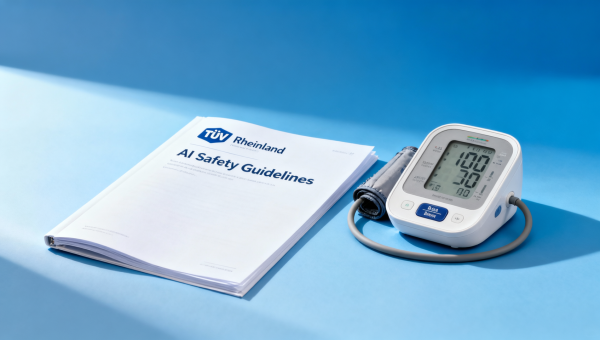
TÜV Rheinland Releases AI Safety Guidelines for Home Medical Devices
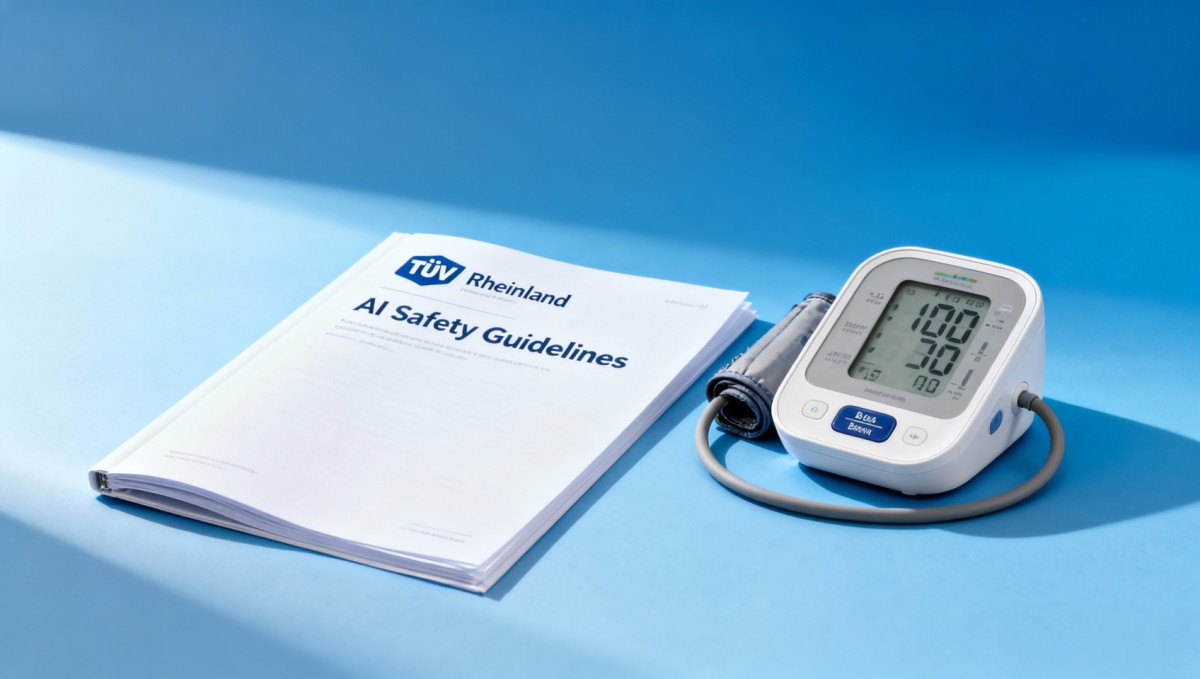
Introduction
On March 31, 2026, TÜV Rheinland Germany published its first White Paper on Functional Safety Implementation for AI-Powered Home Medical Devices. The document introduces new recommendations for AI-driven functions like blood pressure trend prediction and abnormal glucose alerts, aligning them with IEC 62304 software lifecycle management and suggesting ISO/IEC 23053 (AI system engineering) for validation. While not mandatory, these guidelines are already being adopted by major procurement entities like Berlin's Charité Hospital, creating de facto requirements for Chinese smart chronic disease device exporters targeting German-speaking markets.
Event Overview
The white paper specifically addresses AI applications in home-use medical devices, emphasizing:
- Integration of predictive algorithms into existing IEC 62304 frameworks
- Recommended validation pathways using ISO/IEC 23053 standards
- Clinical procurement implications, with Charité Hospital incorporating these into technical bidding requirements
Impacted Industry Segments
Smart Medical Device Exporters
Chinese manufacturers of AI-powered blood pressure monitors and glucose meters now face additional compliance considerations for EU market access. The guidelines create a new layer of technical expectations beyond traditional medical device certifications.
Component Suppliers
Providers of AI chips and algorithm modules for medical devices may need to adapt their documentation processes to support manufacturers' compliance efforts with the recommended standards.
Testing & Certification Services
Conformity assessment bodies will likely see increased demand for combined IEC 62304 + ISO/IEC 23053 evaluation services, particularly for devices targeting German-speaking healthcare markets.
Key Considerations for Industry Players
Prioritize Standards Mapping
Conduct gap analyses between existing technical documentation and the white paper's recommendations, particularly regarding AI system traceability and validation methodologies.
Monitor Procurement Trends
Track adoption patterns among German/Austrian healthcare institutions, as early adopters like Charité may influence broader regional purchasing requirements.
Strategic Certification Planning
Evaluate whether to pursue full ISO/IEC 23053 compliance or implement targeted documentation enhancements to meet essential requirements.
Industry Perspective
From an industry standpoint, this development signals:
- A growing emphasis on AI-specific validation in medical device regulation
- The increasing influence of clinical procurement policies on technical standards
- Potential for similar requirements to emerge in other EU markets
While not yet legally binding, the white paper represents a significant market access consideration that manufacturers cannot afford to ignore.
Conclusion
TÜV Rheinland's guidelines mark an important step in the evolution of AI medical device standards. For exporters, these recommendations currently function as market-specific technical expectations rather than regulatory mandates. The prudent approach involves:
- Understanding the practical implementation differences between IEC 62304 and ISO/IEC 23053 requirements
- Assessing the cost-benefit ratio of full compliance versus meeting essential criteria
- Monitoring how these standards influence procurement decisions beyond initial adopters
Source Information
Primary source: TÜV Rheinland official release (March 31, 2026)
Additional context: Charité Hospital procurement documentation (accessed April 2026)
Note: The voluntary adoption rate among other EU hospitals remains to be tracked.
Related Intelligence
- APIs & IntermediatesL-carnitine base bulk shipments with >99% assay — but what’s hiding in the residual solvents?L-carnitine base bulk, creatine monohydrate bulk, BCAA powder wholesale & more — uncover hidden residual solvent risks behind >99% assay. Get GMP-aligned insights now!
- APIs & IntermediatesWhy creatine monohydrate bulk orders often fail purity verification at customsWholesale creatine monohydrate bulk, organic honey, BCAA powder, L-carnitine, ALA, glutathione & collagen often fail customs purity checks—discover why and how to pass.
- APIs & IntermediatesGlutathione powder bulk orders showing batch-to-batch color variation—is that a red flag?Glutathione powder bulk orders show color variation? Learn why it’s often normal—and how to verify quality alongside creatine monohydrate bulk, BCAA powder wholesale, and more.
The Morning Broadsheet
Daily chemical briefings, market shifts, and peer-reviewed summaries delivered to your terminal.
