

The Authority in Global Agricultural Chemistry & Bio-Resources
Bulk sodium metabisulfite: moisture issues that shorten shelf life
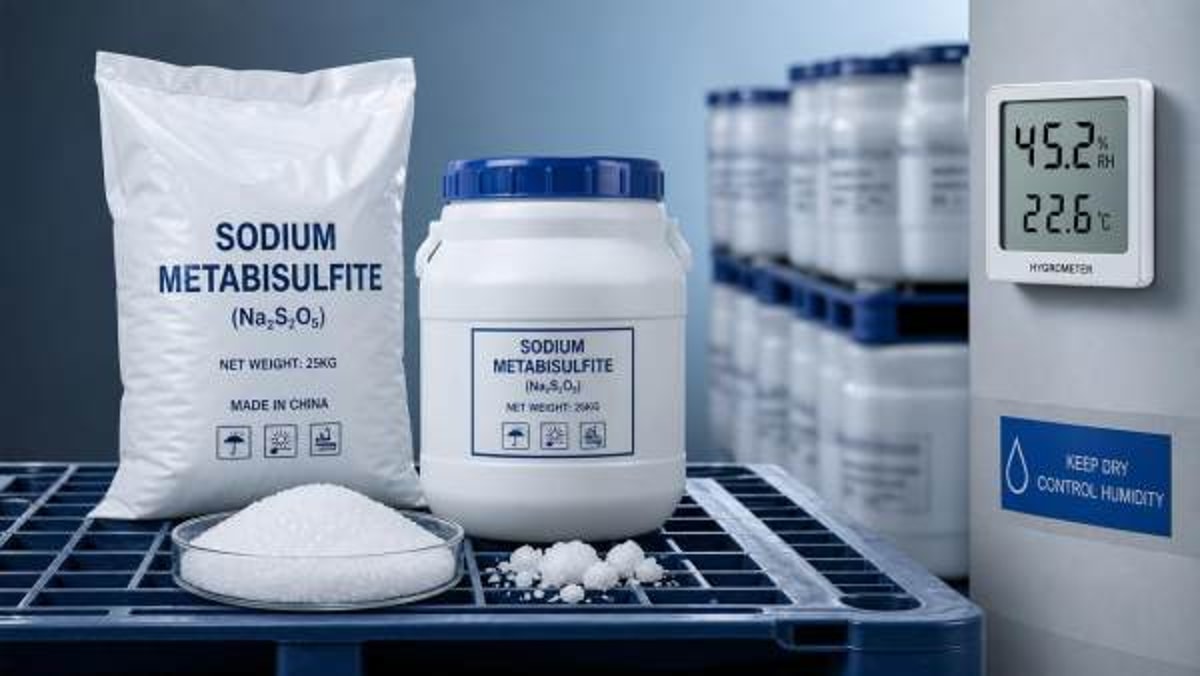
Bulk sodium metabisulfite is highly sensitive to moisture, and even minor exposure during storage or handling can accelerate decomposition, reduce assay stability, and create safety and compliance risks. For quality control and safety managers, understanding how humidity shortens shelf life is essential to preventing product loss, protecting worker safety, and maintaining consistent performance across industrial and chemical applications.
Why does bulk sodium metabisulfite lose shelf life so quickly when moisture is present?
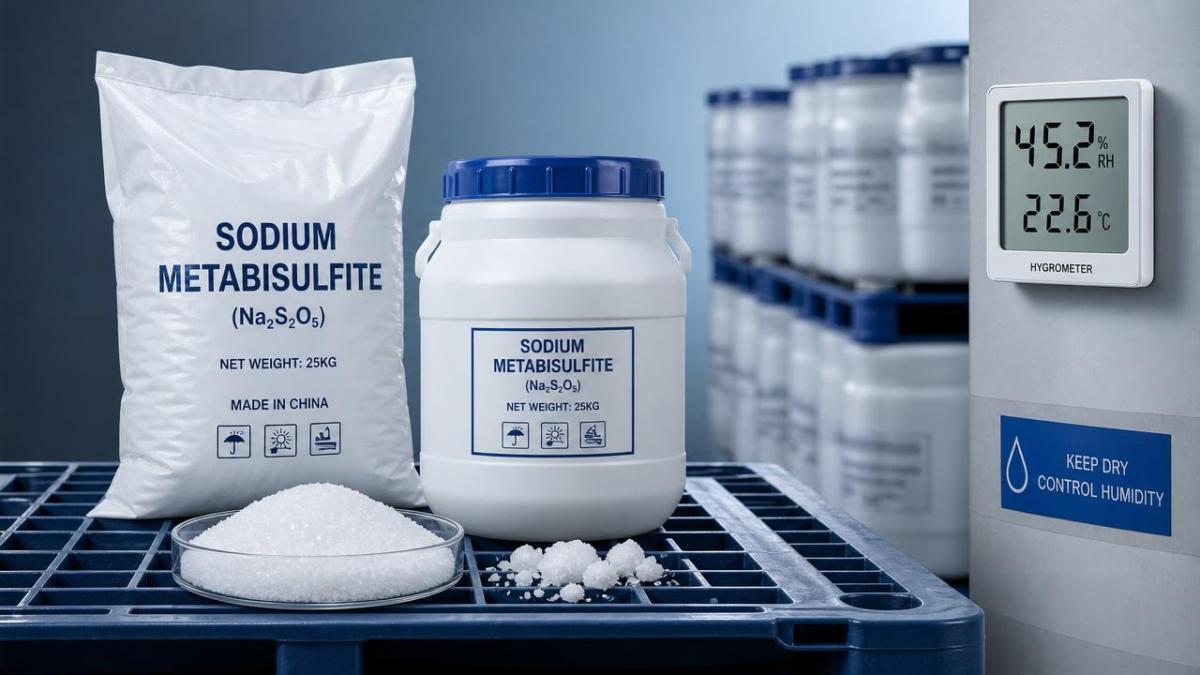
For quality teams, bulk sodium metabisulfite is not just a routine reducing agent or preservative intermediate. It is a moisture-reactive material whose storage stability depends heavily on environmental control, packaging integrity, and disciplined handling. In multi-sector supply chains such as feed processing, water treatment, fine chemicals, food ingredients, and selected pharmaceutical support operations, even short-term humidity exposure can trigger progressive degradation.
The core issue is simple: sodium metabisulfite absorbs moisture from the air, then begins to break down into sulfite and bisulfite species while releasing sulfur dioxide under unfavorable conditions. This changes product strength, odor, flowability, and suitability for controlled formulations. For safety managers, the same event can also increase inhalation concerns in enclosed work zones.
In bulk handling environments, shelf-life loss is rarely caused by one dramatic failure. More often, it results from repeated small exposures during drum opening, bag resealing, warehouse loading, humid transport, or poor segregation from wet process areas. By the time laboratory results show a declining assay, the product may already have experienced several unnoticed humidity events.
- Moisture uptake can cause caking, making the material difficult to dose accurately in batch operations.
- Chemical degradation can reduce active content, affecting reaction efficiency or preservation performance.
- Sulfur dioxide release can create odor complaints, ventilation burdens, and occupational hygiene concerns.
- Documentation mismatches can arise when retained samples no longer reflect the original received condition.
For organizations operating under GMP-like discipline, internal quality systems, or regulated environmental controls, moisture management is therefore a shelf-life issue, a safety issue, and a procurement issue at the same time.
What actually changes in bulk sodium metabisulfite after humidity exposure?
When QC personnel investigate aging or nonconforming bulk sodium metabisulfite, they usually see changes in more than one attribute. Moisture does not only affect appearance. It can alter physical handling, analytical results, and downstream process consistency. That is why incoming inspection and warehouse audits should not rely on visual checks alone.
The table below summarizes the most common moisture-linked changes quality and safety managers should monitor when evaluating bulk sodium metabisulfite in storage, transit, or partial-use inventory.
These changes matter because bulk chemicals are often released based on a specification sheet that assumes proper storage from manufacture to use. Once moisture compromise occurs, the original certificate alone may no longer represent the material in the warehouse. That is why requalification intervals, retained sample comparison, and risk-based retesting policies are so important.
Key indicators worth trending in QC records
- Assay results across receipt date, first opening date, and final consumption date.
- Moisture content, if included in the internal specification or supplier test package.
- Packaging condition at receipt, especially liner integrity and closure quality.
- Warehouse humidity, seasonal variation, and incident records for condensation events.
Which storage and handling scenarios create the highest risk?
Not all facilities expose bulk sodium metabisulfite to the same level of risk. The highest failure rates usually appear where open handling is frequent, environmental conditions fluctuate, and material moves through mixed-use industrial zones. This is common in integrated processing sites where dry chemicals are stored near washdown areas, boiler rooms, or docks with poor climate separation.
High-risk scenarios quality and safety managers should flag
- Partial-use packaging that is reopened several times without controlled resealing or nitrogen protection.
- Warehouses that experience day-night temperature swings, causing condensation on internal surfaces or package liners.
- Ocean or long-distance ground freight with insufficient barrier packaging during rainy seasons or tropical transit routes.
- Manual dispensing areas where bags remain open during shift change, weighing delays, or sample retention procedures.
- Co-storage with acidic or damp materials that worsen decomposition or increase incompatible exposure risks.
In ACC’s cross-sector editorial work covering fine chemicals, feed ingredients, and primary processing operations, one repeated lesson stands out: product stability fails most often at the interface between logistics and operations, not only in long-term storage. Therefore, risk assessment should follow the full path from supplier packaging line to end-use point.
How should procurement teams evaluate packaging, transit, and storage controls?
For bulk sodium metabisulfite, price per metric ton is never the only procurement metric. A lower unit price can be erased quickly by caking losses, rework, ventilation interventions, and failed assay results. Quality control and safety management should therefore influence purchase specifications before the first shipment is booked.
The following procurement evaluation table helps compare suppliers and packaging formats using criteria that directly affect shelf life and plant risk.
This approach shifts procurement from commodity buying to controlled sourcing. It is especially useful where sodium metabisulfite supports sensitive formulations, export manufacturing, or audited operations. A supplier that cannot explain packaging barrier performance or moisture-control logistics may still deliver on time, but not necessarily in usable condition.
Practical questions to include in purchase reviews
- What is the recommended maximum time between first opening and full consumption?
- Does the supplier provide guidance for resealing, repacking, or in-plant transfer?
- Are there route-specific precautions for monsoon, coastal, or high-humidity destinations?
- Can the supplier support lot-level investigation if moisture-related claims arise?
What internal controls work best for QC and EHS teams?
A stable bulk sodium metabisulfite program depends on shared ownership. Procurement defines incoming expectations. Warehouse staff control exposure time. Production teams influence open-pack discipline. QC validates condition and fitness for use. EHS manages ventilation, PPE, and incident response if sulfur dioxide odor emerges. Strong performance comes from integrating all of these functions instead of treating storage as a warehouse-only task.
Recommended control measures
- Store in a cool, dry, well-ventilated area separated from moisture sources, acids, and incompatible chemicals.
- Use first-expiry-first-out or risk-based lot rotation, not only first-in-first-out, when remaining shelf life varies significantly.
- Set a formal rule for maximum open-pack duration, with mandatory resealing and condition labeling after each use.
- Install humidity monitoring in storage zones and investigate repeated excursions rather than logging them without action.
- Review local exhaust ventilation and worker training in weighing or transfer areas where sulfur dioxide may accumulate.
Facilities with audit exposure should also connect these controls to deviation handling. If an open bag remains in a humid room for several hours, the decision should not rely on opinion alone. A predefined evaluation path, such as hold, sample, retest, downgrade, or dispose, protects both production continuity and compliance discipline.
How do standards, documentation, and compliance affect shelf-life decisions?
Shelf-life management for bulk sodium metabisulfite often intersects with broader compliance systems. Even when the material is not procured as an API, facilities may still operate under GMP-style controls, food safety schemes, environmental permit obligations, or customer-specific quality agreements. In such settings, moisture exposure is not merely a technical inconvenience; it becomes a documented quality event.
A sound compliance approach does not require overcomplication. It requires traceability, written storage conditions, clear retest triggers, and evidence that deviations are evaluated consistently.
For organizations serving regulated agricultural, biochemical, and primary processing sectors, this documentation discipline also improves supplier discussions. When moisture-related claims are supported by timestamps, humidity logs, and packaging evidence, resolution is faster and less subjective.
Common misconceptions about bulk sodium metabisulfite moisture control
“If it still looks white, it is still fine.”
Appearance alone is not a reliable release criterion. Bulk sodium metabisulfite may retain a generally acceptable color while still showing assay drift, partial decomposition, or odor-related handling risk. Visual acceptance should always be paired with specification-based verification when exposure is suspected.
“Only long-term storage causes moisture damage.”
Short exposure can be enough to start the problem, especially in humid climates. Repeated brief openings over several days often cause more harm than one uninterrupted month in a dry, sealed condition. Open-pack discipline matters as much as warehouse duration.
“A lower-cost package is acceptable if the material is used quickly.”
Quick use does reduce risk, but only if the logistics chain is also controlled. A moisture-sensitive bulk chemical can arrive compromised before it ever reaches production. Packaging quality, transit conditions, and receiving inspection cannot be traded away on the assumption of rapid consumption.
FAQ: what do quality and safety managers ask most often?
How should bulk sodium metabisulfite be stored after opening?
After opening, the material should be resealed immediately in moisture-resistant packaging and kept in a dry, ventilated area with controlled humidity. The container should be labeled with the opening date and reviewed against an internal maximum reuse window. If the material was exposed longer than allowed, a hold-and-retest approach is safer than direct reuse.
What are the first warning signs of moisture damage?
Common early signs include caking, reduced free-flowing behavior, sharper sulfur dioxide odor, and inconsistent dissolution. However, because some degraded lots still appear usable, laboratory confirmation remains important where formulation accuracy or regulated production is involved.
Should every humidity excursion trigger retesting?
Not necessarily. The decision should depend on excursion duration, package status, ambient humidity severity, and process criticality. A closed, intact package in a brief room excursion may justify documented review only. An opened or poorly sealed package in sustained high humidity typically warrants sampling and disposition control.
What matters more: shelf-life date or actual storage condition?
Both matter, but actual storage condition often determines real usability. A lot within its formal shelf life can still underperform if it absorbed moisture. Conversely, a properly stored lot near its retest point may remain acceptable after evaluation. Practical quality systems combine date control with condition control.
Why work with AgriChem Chronicle when evaluating moisture-sensitive bulk chemicals?
AgriChem Chronicle serves technical buyers, chief agronomists, biochemical decision-makers, and industrial operators who need more than general product descriptions. Our editorial strength lies in translating laboratory behavior, compliance expectations, and real supply-chain risk into usable procurement intelligence. For moisture-sensitive materials such as bulk sodium metabisulfite, that means focusing on packaging controls, warehouse realities, documentation discipline, and cross-sector application risk.
Because ACC covers fine chemicals, feed and grain processing, bio-extracts, and primary industries, we understand that one storage failure can cascade into assay loss, downtime, safety reporting, or export-quality disputes. Our framework helps technical teams compare supplier claims against operational reality rather than relying only on price sheets or generic brochures.
- Support for parameter confirmation related to packaging barrier expectations, storage conditions, and handling limits.
- Guidance for product selection and procurement review when comparing bulk sodium metabisulfite supply options.
- Discussion support for delivery cycles, humid-route transport concerns, and receiving inspection priorities.
- Input on documentation needs, retest triggers, and practical compliance expectations across regulated industries.
- Consultation framing for sample evaluation, specification matching, and quotation communication with technical context.
If your team is reviewing bulk sodium metabisulfite for a humidity-sensitive operation, contact ACC to clarify storage-risk checkpoints, compare supplier packaging assumptions, and align procurement with quality and safety requirements before product loss turns into a recurring cost.
Related Intelligence
- APIs & IntermediatesFirst National SME Service Platforms for APIs & Intermediates AnnouncedFirst National SME Service Platforms for APIs & Intermediates launched—offering ICH Q5/Q7, REACH, green solvent & tax rebate support. Discover verified Chinese suppliers now.
- APIs & IntermediatesBulk formic acid handling mistakes that create avoidable downtimeBulk formic acid handling mistakes can trigger corrosion, leaks, and costly downtime. Learn the most common risks and practical fixes to improve reliability and prevent shutdowns.
- APIs & IntermediatesWholesale glacial acetic acid: packaging choices and freight tradeoffsWholesale glacial acetic acid buying starts with the right packaging and freight plan. Compare drums, IBCs, and ISO tanks to cut landed cost, reduce risk, and secure reliable bulk supply.
The Morning Broadsheet
Daily chemical briefings, market shifts, and peer-reviewed summaries delivered to your terminal.
