

The Authority in Global Agricultural Chemistry & Bio-Resources
Bulk Polyurethane Prepolymers: When Viscosity Becomes a Problem
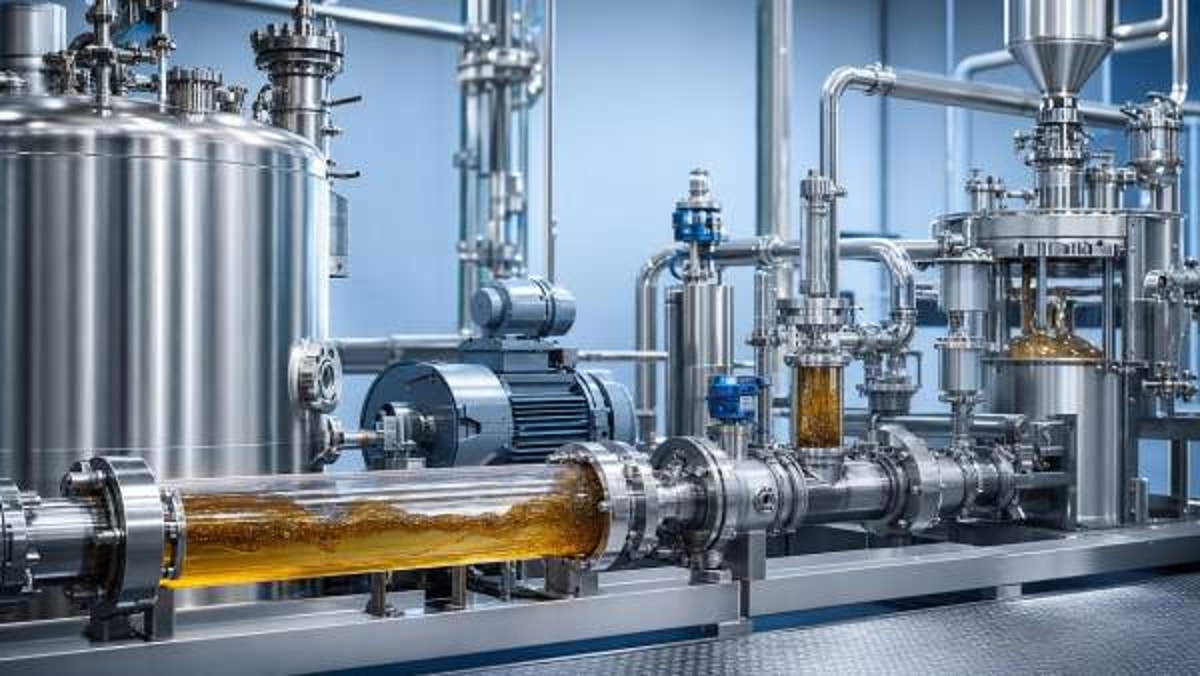
For project managers overseeing large-scale coatings, adhesives, or elastomer production, bulk polyurethane prepolymers can quickly shift from an efficiency advantage to a processing bottleneck when viscosity rises beyond control. Understanding how viscosity affects pumping, mixing, storage, and application is essential for maintaining production stability, product consistency, and cost performance across demanding industrial operations.
Why do bulk polyurethane prepolymers become a viscosity problem in the first place?
At a basic level, bulk polyurethane prepolymers are partially reacted materials designed to deliver controlled reactivity in downstream formulations. They are widely used in sealants, industrial coatings, cast elastomers, flooring systems, adhesives, and specialty composites because they offer predictable performance and can simplify high-volume production. The problem starts when the material that looked manageable at lab scale behaves very differently in tanks, transfer lines, heated hoses, or day bins.
Viscosity becomes critical because these systems are sensitive to temperature, molecular weight, NCO content, moisture exposure, and storage history. As prepolymer chain length increases or partial side reactions occur, flow resistance rises. In a plant environment, even a moderate viscosity increase can reduce pump efficiency, slow down dosing accuracy, create incomplete mixing, and force operators to raise temperatures beyond ideal processing windows.
For project leaders, the practical issue is not simply whether a drum or tanker can be emptied. The real question is whether the material can move consistently through the entire process without creating hidden quality losses. When bulk polyurethane prepolymers become too thick, cycle times stretch, energy use climbs, line cleaning becomes more frequent, and production scheduling turns less predictable. In multi-shift operations, these disruptions often show up first as small throughput losses before they appear as obvious defects.
This is why viscosity is not just a laboratory number on a technical data sheet. It is an operational variable with direct impact on plant reliability, output, scrap rate, and procurement planning.
Which operating scenarios are most vulnerable when handling bulk polyurethane prepolymers?
Not every production line suffers equally. The highest risk usually appears in operations that depend on long transfer distances, tight metering tolerances, or narrow thermal control bands. Project managers should pay special attention when bulk polyurethane prepolymers are used in centralized tank farms, automated metering systems, or continuous mixing environments where viscosity drift can multiply across the process.
Typical high-risk scenarios include:
- Large-batch adhesive production where feed consistency determines bond performance.
- Cast elastomer lines requiring precise flow into molds before pot life declines.
- Protective coating operations using heated circulation loops and inline blending.
- Export or remote-site projects where material may sit in storage for extended periods.
- Cold-climate operations where ambient conditions push viscosity beyond pump design limits.
Another vulnerable scenario is scale-up from pilot batches. A prepolymer that seems easy to pour from a sample container can become difficult to circulate from an IBC, ISO tank, or bulk storage vessel. Shear conditions, heat transfer rates, and startup delays all change at production scale. Teams that underestimate these differences often blame equipment first, when the real issue is a mismatch between prepolymer rheology and plant design.
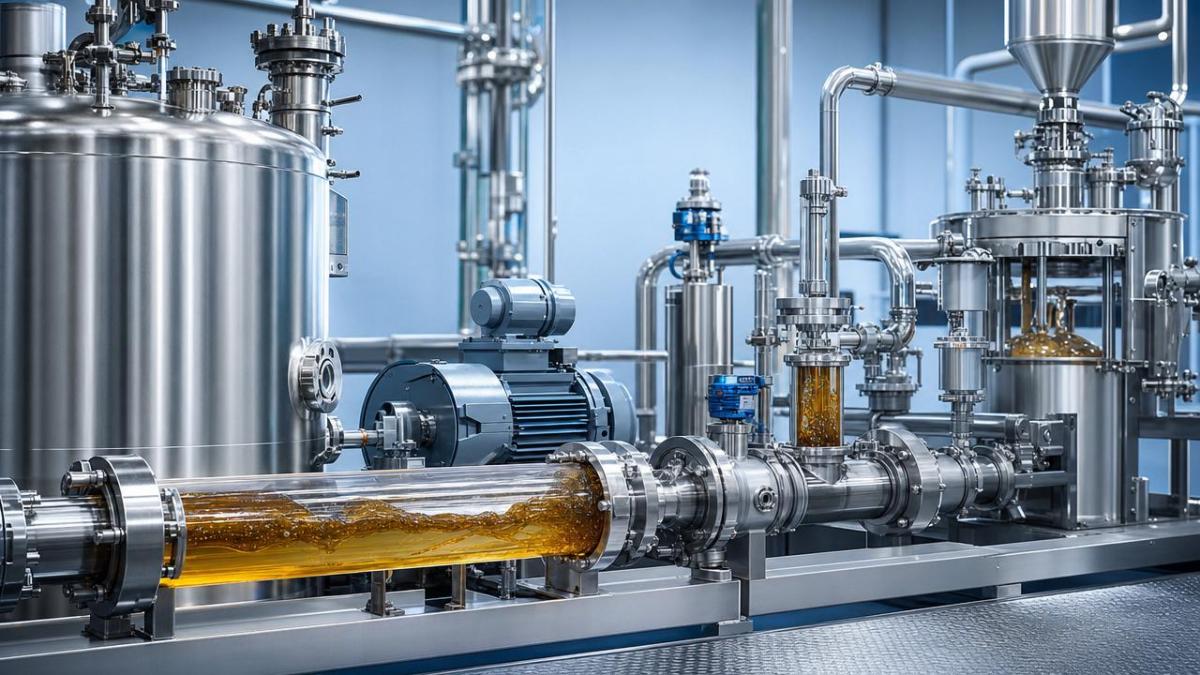
How can project managers tell whether viscosity is a manageable process variable or a major business risk?
The distinction comes down to whether the process can absorb normal viscosity variation without sacrificing throughput, safety, or product performance. In other words, the technical question must be translated into a project control question. If bulk polyurethane prepolymers need narrow temperature maintenance, special line tracing, stronger pumps, or extended recirculation just to remain usable, viscosity is no longer a minor formulation detail. It becomes a planning and cost issue.
A practical evaluation starts with four checkpoints: delivery condition, storage stability, transfer behavior, and application response. Delivery condition asks whether the material arrives within a workable viscosity band. Storage stability evaluates how rapidly viscosity shifts over time under realistic warehouse conditions. Transfer behavior focuses on pumpability, cavitation risk, line pressure, and residue buildup. Application response considers whether higher viscosity affects wetting, leveling, mixing uniformity, cure profile, or final mechanical properties.
If one or more of these checkpoints fail, the risk can escalate fast. For example, a material may remain technically within specification yet still cause production losses because the operating window is too narrow. That is especially relevant in plants running multiple product grades or frequent changeovers, where a high-viscosity prepolymer adds setup complexity and increases dependency on operator intervention.
Quick evaluation table for bulk polyurethane prepolymers
What usually causes viscosity increases in bulk polyurethane prepolymers during storage and processing?
Several causes appear repeatedly across industrial use cases. Temperature is the most obvious. Bulk polyurethane prepolymers often show sharp viscosity changes as temperature falls, and even a few degrees can alter flow enough to disrupt transfer or mixing. This is why seasonal changes, nighttime shutdowns, and inconsistent warehouse heating matter more than many teams expect.
Moisture is another major factor. Isocyanate-containing systems can react with water, leading to side reactions, gas generation, and viscosity growth. The problem may begin with poor nitrogen blanketing, wet air during tank venting, unsealed fittings, or residual moisture in process equipment. Once this starts, the issue is not easily reversed by simple heating.
A third cause is formulation design. Some bulk polyurethane prepolymers are intentionally built with higher molecular weight or specific backbone chemistries to improve final toughness, flexibility, or chemical resistance. Those benefits can come at the cost of more difficult processing. In such cases, viscosity is not a defect but a tradeoff. The project challenge is deciding whether the performance gain justifies the equipment and handling requirements.
Extended residence time also matters. If material sits too long in heated tanks or recirculation loops, slow advancement of the polymer structure may occur. Excessive local heating, dead zones in piping, and repeated thermal cycling can accelerate this. That is why operating discipline and residence-time control are as important as raw material quality.
What are the most common mistakes when specifying or buying bulk polyurethane prepolymers?
One frequent mistake is selecting by end-use performance alone. Procurement and technical teams may focus on hardness, elongation, cure speed, or bond strength, while assuming processability can be adjusted later. For bulk polyurethane prepolymers, that assumption is risky. A prepolymer that meets all final property targets can still underperform economically if it requires special heating packages, slow line speeds, or higher maintenance frequency.
Another mistake is relying only on a single viscosity value from a data sheet. That number may be measured at one temperature under ideal conditions and may not reflect the full processing window. A more useful discussion with suppliers should include viscosity-temperature curves, storage recommendations, acceptable reheating practices, maximum residence times, and known sensitivity to moisture or shear.
Teams also underestimate logistics. Transport duration, climate exposure, packaging format, unloading method, and minimum order size can all affect how bulk polyurethane prepolymers behave when they arrive. A material that works well in regional supply may become problematic in cross-border or export supply chains if temperature control is inconsistent.
Finally, many plants do not define an internal “processable viscosity threshold.” Without that threshold, operators keep compensating with extra heat or longer mix times, while efficiency slowly erodes. Establishing a practical upper limit tied to equipment capability is one of the simplest ways to improve decision-making.
How should teams compare formulation changes versus equipment upgrades?
This is often the most important business question. If bulk polyurethane prepolymers are too viscous, companies generally have two paths: change the material, or adapt the process. Neither option is automatically better. The right choice depends on production volume, quality sensitivity, and total lifecycle cost.
Material-side changes may include selecting a lower-viscosity prepolymer, adjusting NCO content, modifying polyol backbone, or using a compatible reactive diluent strategy where technically appropriate. These approaches can improve flow and reduce energy demand, but they may also affect cure speed, hardness, chemical resistance, or regulatory positioning.
Process-side changes may involve jacketed tanks, trace-heated lines, positive displacement pumps, insulated transfer systems, inline viscosity monitoring, or better moisture control. These investments can preserve a high-performance formulation, but they require capital, engineering time, validation, and maintenance planning.
Project managers should compare the two routes using a total cost view, not just material price. Include energy use, downtime risk, operator workload, cleaning frequency, reject rate, spare parts, scale-up time, and supplier flexibility. In some cases, a slightly more expensive but easier-flowing prepolymer delivers lower overall cost than a cheaper material that strains the process every day.
What questions should be asked before approving a supplier or scaling up a new grade?
Before approving bulk polyurethane prepolymers for commercial use, teams should ask a focused set of technical and operational questions. These questions help reveal whether the grade is genuinely suitable for plant reality rather than only acceptable on paper.
- What is the full viscosity profile across the actual processing temperature range?
- How long can the material remain in heated storage without significant viscosity drift?
- What unloading, blanketing, and moisture-control practices are mandatory?
- Which pump types and line configurations are recommended or discouraged?
- How does the material behave after repeated warming and cooling cycles?
- Are there known differences between drum, IBC, and bulk tanker handling?
- What QC tests best predict loss of processability before final product defects appear?
These questions are especially relevant for buyers in regulated and specification-driven sectors, where consistency, traceability, and predictable process control matter as much as raw performance. For organizations working across fine chemicals, industrial manufacturing, or primary processing supply chains, supplier transparency on handling behavior is a strong indicator of long-term reliability.
What is the best practical takeaway for managing bulk polyurethane prepolymers without losing production efficiency?
The best takeaway is to treat viscosity as a cross-functional decision point rather than a narrow materials issue. Bulk polyurethane prepolymers should be evaluated through the combined lens of formulation design, logistics, storage, equipment capability, and application quality. When teams wait until startup to address viscosity, options become expensive and reactive. When they define processability limits early, they can select better materials, configure infrastructure more intelligently, and prevent avoidable line disruptions.
For project managers, the smartest next step is not simply requesting a quote or a sample. It is aligning procurement, process engineering, QA, and operations around a short qualification checklist: workable viscosity range, temperature management plan, moisture protection method, pump compatibility, storage duration, and expected response to production interruptions. If further confirmation is needed on application fit, technical parameters, implementation timeline, supplier coordination, or commercial terms, those are the first topics worth discussing before scaling a new bulk polyurethane prepolymer into full production.
Related Intelligence
- APIs & IntermediatesBulk Carbon Black Supply Risks That Show Up After Contract SigningBulk carbon black buyers face hidden risks after contract signing—from quality drift and logistics delays to compliance gaps and price shocks. Learn what to check first.
- APIs & IntermediatesWholesale Epoxy Resins: Which Properties Drive Processing Results?Wholesale epoxy resins affect viscosity, cure speed, adhesion, and production stability. Learn which resin properties improve processing results and help buyers choose with confidence.
- APIs & IntermediatesHow to Judge Wholesale UV Absorbers for Outdoor DurabilityWholesale UV absorbers for outdoor durability: learn how to assess UV coverage, thermal stability, migration resistance, and compliance with a practical checklist.
The Morning Broadsheet
Daily chemical briefings, market shifts, and peer-reviewed summaries delivered to your terminal.
