

The Authority in Global Agricultural Chemistry & Bio-Resources
Wholesale Epoxy Resins: Which Properties Drive Processing Results?
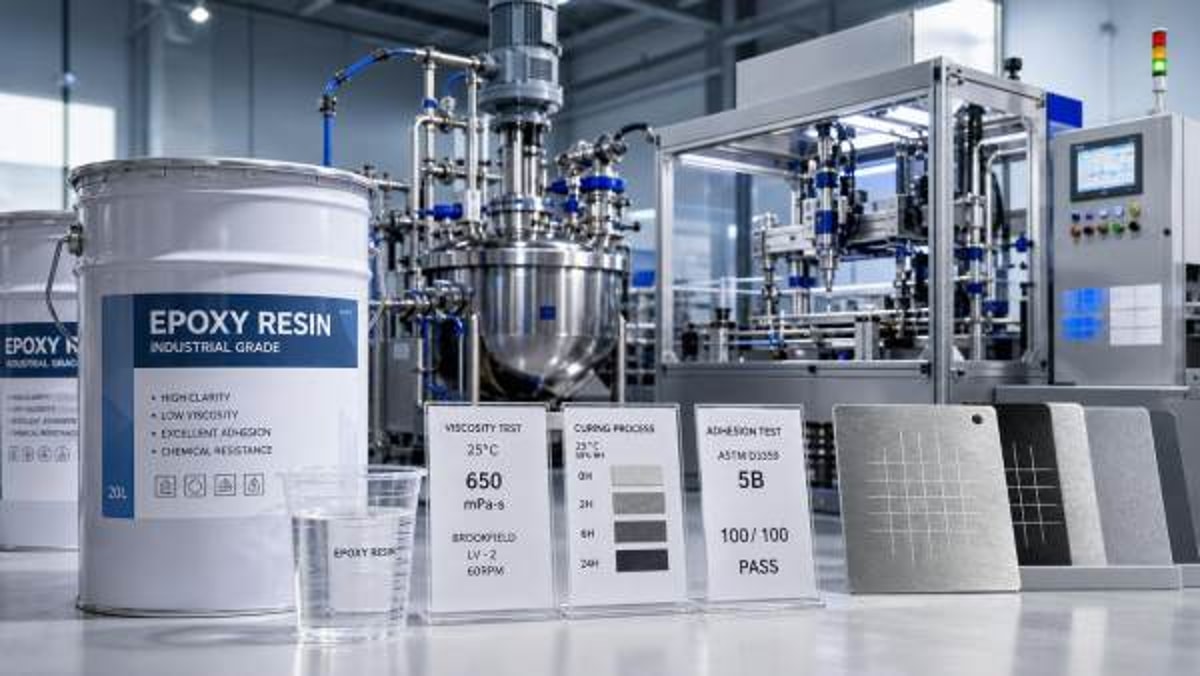
For operators and processing teams, choosing wholesale epoxy resins is not just about cost—it directly affects viscosity control, curing speed, adhesion strength, and production consistency. Understanding which resin properties shape mixing, application, and final performance helps reduce waste, improve efficiency, and achieve more reliable results across demanding industrial workflows.
Which wholesale epoxy resins properties matter most in day-to-day processing?
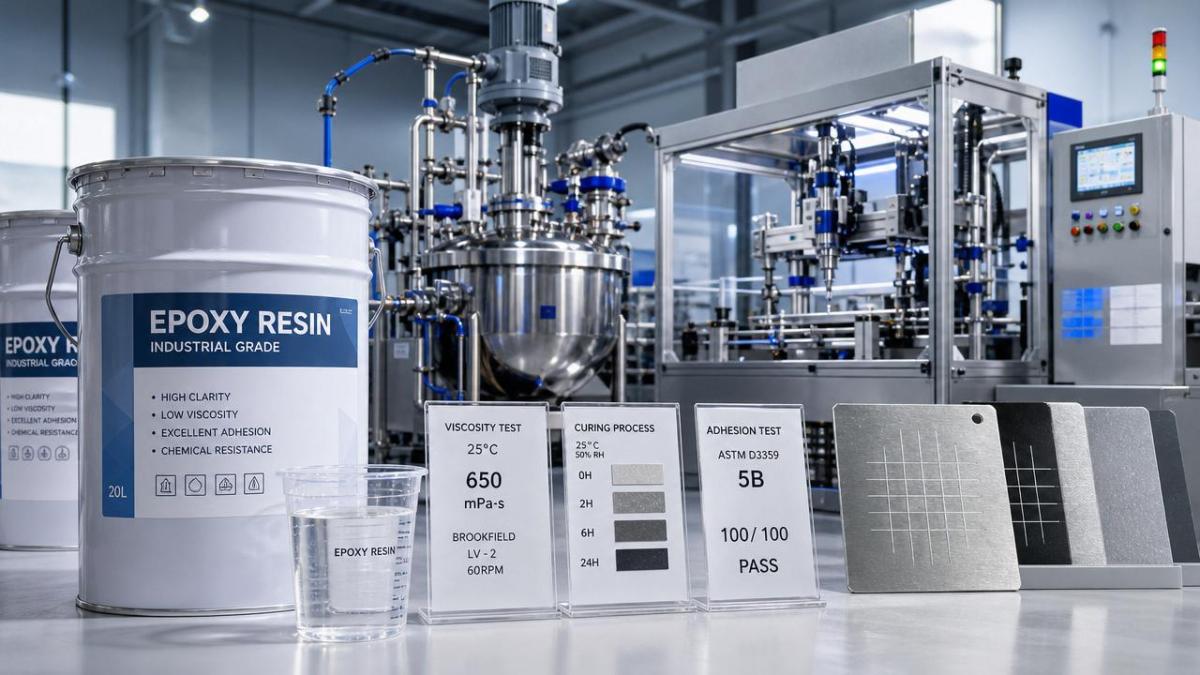
In industrial environments, the term wholesale epoxy resins often covers a broad range of base chemistries, viscosities, equivalent weights, reactive diluent levels, and curing behaviors. For operators, that variety can be useful or frustrating. A resin that performs well in one coating line, composite lay-up station, or encapsulation process may create defects in another if flow, gel time, or substrate compatibility are not aligned with actual production conditions.
Across primary processing, machinery maintenance, fine chemicals packaging, aquaculture equipment protection, and feed-processing infrastructure, epoxy resin performance is rarely judged by a single number. Processing results come from the interaction between resin properties, hardener choice, ambient conditions, mixing discipline, and application method. That is why experienced teams look beyond price per kilogram and focus on total processing stability.
For buyers and line operators, the most influential resin properties usually include:
- Viscosity, because it controls pumping, wetting, air release, filler acceptance, and film build.
- Epoxy equivalent weight, because it affects stoichiometric ratio and final crosslink density.
- Reactivity profile, because it influences pot life, gel time, exotherm, and curing window.
- Adhesion behavior, because poor bonding to metal, concrete, wood, or composites leads to early failure.
- Chemical and moisture resistance, because many facilities face washdown cycles, fertilizers, feed acids, saltwater, or process chemicals.
- Thermal and mechanical performance, because abrasion, impact, vibration, and temperature swings are common in real plants.
When ACC reviews industrial material decisions, the most consistent pattern is clear: processing teams that match wholesale epoxy resins to operating conditions reduce rework, cut downtime, and improve output consistency more effectively than teams that choose resin grades mainly on headline price.
Why viscosity often drives the first processing decision
Viscosity is usually the first property operators notice because it affects every handling step. Low-viscosity systems can improve substrate penetration and degassing, which matters in porous concrete repair, filament wet-out, and electrical encapsulation. Higher-viscosity systems may be better for gap filling, vertical surface application, or sag control, but they can demand stronger mixing equipment and tighter temperature management.
In wholesale purchasing, the risk is assuming that lower viscosity is always easier. It is not. If the resin is too thin for the application, it may drain, settle fillers, or reduce edge coverage. Operators should always judge viscosity against the intended application method, line speed, and substrate geometry.
Why curing behavior changes production output
Curing speed determines whether a shift stays on schedule. A fast-reacting system can accelerate throughput, but it may also shorten working time and raise exotherm in bulk mixes. A slower system may offer better leveling and easier placement, yet create bottlenecks if parts cannot move to the next station on time. In bulk procurement, this is one of the most underestimated differences between resin options.
How do core resin parameters translate into processing results?
The table below connects key wholesale epoxy resins properties with the shop-floor outcomes operators care about most. This kind of parameter-based review helps teams compare supplier offers in a more practical way than relying on general product descriptions.
For processing teams, these parameters should be reviewed together, not separately. A low-viscosity resin with poor pot life can still disrupt production. A strong adhesive grade with difficult mixing tolerances can increase scrap. The best wholesale epoxy resins are not the ones with the strongest single feature, but the ones that remain stable across actual production variables.
How ambient conditions affect resin behavior
Temperature and humidity can shift processing behavior significantly. A resin that handles well at 25°C may become difficult to pump at lower temperatures or cure too quickly at higher temperatures. In facilities handling agricultural ingredients, marine hardware, or primary chemicals, environmental variation is common. Operators should request technical data covering recommended application temperatures, humidity limits, and cure development at different conditions.
Which wholesale epoxy resins fit different industrial scenarios?
Application context changes what “good processing” means. The same resin grade will not suit every maintenance, coating, bonding, or encapsulation task. The comparison below helps operators narrow down wholesale epoxy resins by process requirement rather than by generic category alone.
This comparison matters because many procurement issues begin when operators receive a technically correct resin that is still operationally unsuitable. In ACC’s cross-sector analysis, the strongest procurement outcomes usually come from application-led specification, not catalog-led selection.
Scenario-specific risks operators should flag early
- For coatings, check whether surface contamination, curing temperature, or solvent exposure will affect adhesion development.
- For filled systems, verify whether the resin can accept required filler loading without becoming unworkable.
- For composite and bonding operations, confirm whether the cure schedule matches assembly time and fixture removal timing.
- For potting and encapsulation, evaluate bubble release and exotherm in the actual pour depth, not just in small-lab samples.
What should operators check before buying wholesale epoxy resins in bulk?
Bulk purchasing increases cost efficiency, but it also magnifies specification errors. One wrong resin choice can affect hundreds of units, multiple batches, or a whole maintenance cycle. Before placing orders for wholesale epoxy resins, operators and procurement teams should build a short, disciplined review process.
A practical procurement checklist
- Define the substrate clearly. Metal, concrete, wood, composite, and coated surfaces require different adhesion expectations and surface preparation standards.
- Confirm application method. Manual brush, roller, spray, casting, pumping, or automated dispensing each place different demands on viscosity and pot life.
- Review batch size and working time. If operators mix large volumes, exotherm and gel speed become critical.
- Check cure schedule against throughput needs. Fast cure is useful only if it remains controllable and does not increase reject rates.
- Ask for technical documents. A proper technical data sheet and safety data sheet are basic requirements for informed procurement and plant handling.
- Validate packaging and storage conditions. Temperature-sensitive materials can drift in performance if stored or shipped poorly.
- Request trial quantities when possible. A pilot run reveals mixing, wetting, and cure issues that spreadsheets often miss.
This process is especially important where regulations, export documentation, and traceability expectations are high. ACC’s industry coverage regularly shows that supply chain transparency is not only a compliance issue; it also helps operators maintain more predictable production quality.
Questions worth sending to suppliers before final approval
- What is the typical viscosity range at the intended processing temperature?
- What mix ratio tolerance is acceptable before cured performance drops?
- How does the resin behave in thicker sections or larger mix volumes?
- What storage life applies under normal warehouse conditions?
- Are there handling recommendations for cold weather, high humidity, or high-speed lines?
How do compliance, documentation, and supply transparency affect resin selection?
For many industrial buyers, technical fit is only one side of the decision. The other side is documentation discipline. In sectors linked to food systems, biochemical processing, export manufacturing, agricultural equipment, or regulated plant operations, wholesale epoxy resins should be evaluated with attention to traceability, safety handling documentation, and supplier consistency.
Depending on the application, teams may need to align internal review with environmental, workplace safety, or product-contact rules. While requirements vary by jurisdiction and end use, it is reasonable to confirm access to current safety data sheets, batch traceability information, storage guidance, and any applicable declarations relevant to restricted substances or industrial handling.
This is where specialist market intelligence matters. ACC supports technical decision-making by connecting material performance questions with supply chain visibility, standards awareness, and sector-specific operational context. That combination is valuable when procurement teams must balance plant performance, audit readiness, and delivery reliability at the same time.
Common mistakes when selecting wholesale epoxy resins
Many processing problems do not come from defective material. They come from incomplete evaluation before purchase or weak control during use. The most frequent mistakes are practical and preventable.
- Choosing by price only and ignoring total processing cost, including labor, rejects, rework, and downtime.
- Using lab-scale assumptions for full production volumes, especially where exotherm can rise sharply.
- Assuming one resin grade can cover coating, bonding, casting, and repair work equally well.
- Underestimating how surface preparation affects adhesion more than advertised bond strength claims.
- Failing to account for temperature fluctuations in warehouses and on the production floor.
Operators who understand these failure points usually make better wholesale epoxy resins decisions because they evaluate processing as a system, not just as a material purchase.
FAQ: what do buyers and operators ask most about wholesale epoxy resins?
How do I choose between low-viscosity and medium-viscosity epoxy resin?
Choose based on application method and substrate behavior. Low-viscosity wholesale epoxy resins are often better for penetration, wet-out, and encapsulation. Medium-viscosity systems are often easier for vertical surfaces, thicker films, or filled repair compounds. The right choice depends on flow control, film retention, and air release in your actual process.
What is more important: fast cure or long pot life?
Neither is universally better. Fast cure supports throughput, but short pot life can create waste if the team cannot apply material quickly enough. Long pot life helps with complex assemblies or larger coverage areas, but it may delay handling strength. Match curing behavior to production rhythm, batch size, and labor availability.
Can one wholesale epoxy resin work across multiple departments?
Sometimes, but often with compromises. A plant may standardize around one general-purpose system for maintenance efficiency, yet specialized operations such as potting, structural bonding, or chemical-resistant lining usually perform better with dedicated grades. Standardization should reduce complexity without creating hidden performance losses.
What documents should I ask for before bulk ordering?
At minimum, ask for a technical data sheet, safety data sheet, storage guidance, batch or lot traceability details where relevant, and any application-specific compliance declarations that may affect your sector. For regulated or export-linked operations, documentation quality can be as important as material price.
Why work with AgriChem Chronicle when evaluating resin options?
For industrial buyers, the challenge is not finding wholesale epoxy resins in the market. The challenge is separating usable technical intelligence from vague marketing claims. AgriChem Chronicle supports that decision process through editorial analysis grounded in fine chemicals, processing operations, supply chains, and compliance awareness across global primary industries.
Because ACC serves readers in agricultural systems, biochemical sectors, processing infrastructure, and industrial procurement, our perspective is built around practical selection criteria: process fit, documentation quality, supply transparency, and operational risk. That is especially relevant when teams must compare resin options for equipment protection, plant maintenance, composite components, or chemically exposed environments.
If you are reviewing wholesale epoxy resins for a current project, you can contact ACC for support around parameter confirmation, application-based selection logic, delivery and supply chain considerations, documentation expectations, sample evaluation questions, and quotation-stage comparison priorities. Clearer specifications at the beginning usually mean fewer processing problems later.
Related Intelligence
- APIs & IntermediatesBulk Carbon Black Supply Risks That Show Up After Contract SigningBulk carbon black buyers face hidden risks after contract signing—from quality drift and logistics delays to compliance gaps and price shocks. Learn what to check first.
- APIs & IntermediatesWholesale Epoxy Resins: Which Properties Drive Processing Results?Wholesale epoxy resins affect viscosity, cure speed, adhesion, and production stability. Learn which resin properties improve processing results and help buyers choose with confidence.
- APIs & IntermediatesHow to Judge Wholesale UV Absorbers for Outdoor DurabilityWholesale UV absorbers for outdoor durability: learn how to assess UV coverage, thermal stability, migration resistance, and compliance with a practical checklist.
The Morning Broadsheet
Daily chemical briefings, market shifts, and peer-reviewed summaries delivered to your terminal.
