

The Authority in Global Agricultural Chemistry & Bio-Resources
First Commercial Grain Silos & Storage Digital Twin Platform Launches
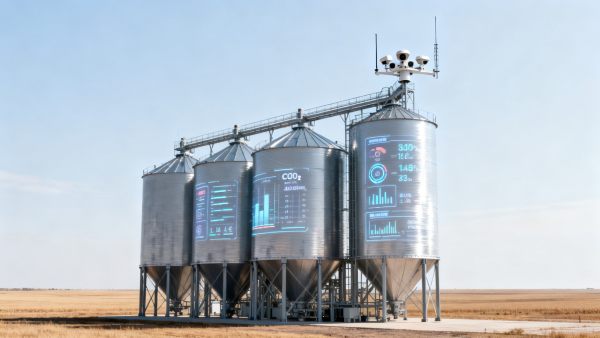
On May 6, 2026, the first commercial Grain Silos & Storage digital twin platform—v3.0—launched globally, certified for direct API integration with the EU Eurostat Grain Remote Inspection System (GRIS). This development is relevant to grain trading firms, storage operators, agri-logistics providers, and EU-regulated food supply chain actors, as it introduces a new technical baseline for regulatory reporting compliance and real-time silo condition monitoring under EN 15234-2:2024.
Event Overview
On May 6, 2026, a Grain Silos & Storage digital twin platform v3.0, developed by a Chinese enterprise, entered commercial deployment. It is the first commercially available platform globally certified to connect directly via API to the European Union’s Eurostat Grain Remote Inspection System (GRIS). The platform supports real-time multidimensional modeling—including temperature, humidity, pest presence, and CO₂ concentration—and automatically generates and submits regulatory reports compliant with EN 15234-2:2024 to national grain authorities in EU member states. Initial deployments have been completed in Romania and Bulgaria.
Impact on Specific Industry Segments
Grain Trading Enterprises
Trading enterprises exporting to or operating within the EU may face new technical expectations for traceability and remote verification of stored grain quality. Impact manifests in increased scrutiny of storage documentation integrity and potential delays if third-party silos lack GRIS-compatible monitoring infrastructure.
Grain Storage & Terminal Operators
Operators managing EU-facing storage facilities—especially those handling export-bound commodities—may encounter growing demand from clients for GRIS-aligned data feeds. The impact centers on system interoperability requirements: legacy monitoring systems may require integration upgrades or replacement to support automated report generation and API handshaking with Eurostat’s GRIS.
Agri-Logistics & Supply Chain Service Providers
Providers offering integrated storage + transport solutions may need to reassess service-level agreements (SLAs) covering data transparency. Impact includes pressure to standardize sensor calibration protocols, data timestamping, and audit trail retention—particularly where EU regulatory submissions are part of contractual deliverables.
EU-Based Food Processors & Millers Sourcing Imported Grain
These buyers may begin requesting GRIS-compliant storage evidence as part of supplier qualification. Impact appears in procurement due diligence: verification of upstream silo monitoring capability could become a de facto requirement for sourcing contracts involving non-EU origin grain destined for EU markets.
What Relevant Enterprises or Practitioners Should Focus On Now
Monitor official Eurostat communications on GRIS implementation timelines
Eurostat has not yet mandated universal GRIS connectivity for all grain operators. Current deployments remain voluntary and pilot-based. Enterprises should track Eurostat’s upcoming guidance documents—notably any updates to the GRIS Technical Implementation Manual—to distinguish between early-adopter activity and future regulatory obligation.
Assess existing storage infrastructure against EN 15234-2:2024 reporting requirements
The standard specifies minimum data fields, update frequencies, and validation logic for environmental parameters. Operators should conduct a gap analysis of current sensor networks and reporting workflows—not just hardware compatibility, but also metadata completeness (e.g., location tagging, calibration timestamps) required for automated submission.
Differentiate between API certification and full regulatory adoption
The platform’s Eurostat API certification confirms technical interoperability, not regulatory endorsement or mandatory use. Analysis shows this milestone reflects progress in infrastructure readiness—not an immediate compliance trigger. Enterprises should avoid premature system overhauls until formal regulatory announcements clarify scope and enforcement dates.
Prepare for cross-border data governance considerations
Automated transmission of silo data to Eurostat involves cross-jurisdictional data flows. Entities outside the EU should review whether their current data processing agreements cover transfer to Eurostat systems, especially regarding purpose limitation and retention periods outlined in EN 15234-2:2024 Annex B.
Editorial Perspective / Industry Observation
Observably, this launch signals a shift toward standardized, machine-readable grain storage oversight—not a fully enforced regime. It is better understood as an infrastructure readiness milestone than a near-term compliance inflection point. From an industry perspective, the significance lies less in immediate mandates and more in the acceleration of technical alignment among major grain logistics corridors. Continued attention is warranted because Eurostat’s GRIS framework is explicitly designed for phased expansion; today’s certified platform may inform tomorrow’s minimum viable infrastructure benchmarks across Eastern Europe and candidate countries.
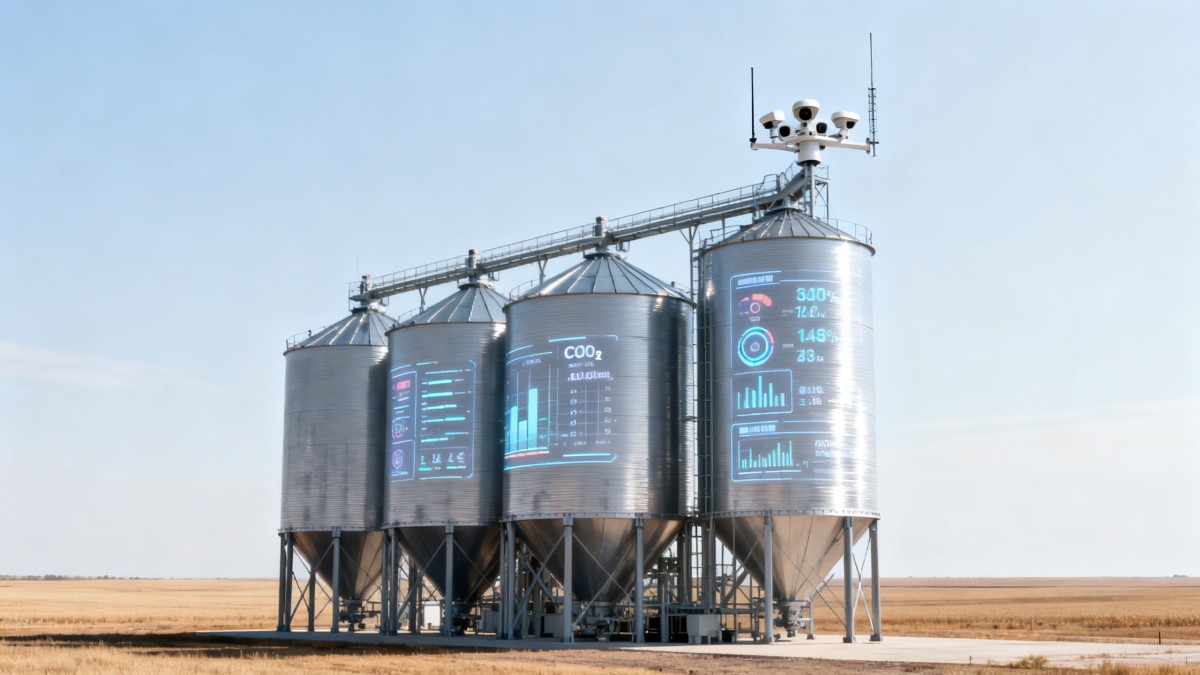
Conclusion: This event marks the first verified instance of commercial-grade digital twin technology meeting the technical interface requirements of a major regional grain regulatory authority. Its primary industry meaning is infrastructural—not regulatory—signaling emerging interoperability standards rather than imminent enforcement. Currently, it is more appropriately understood as a reference point for system readiness assessment, not a trigger for urgent operational change.
Source: Public announcement of Grain Silos & Storage digital twin platform v3.0 commercial launch (May 6, 2026); Eurostat GRIS documentation (publicly accessible version, 2024); EN 15234-2:2024 standard (CEN publication).
Note: Eurostat’s timeline for mandatory GRIS adoption remains unannounced and is subject to ongoing policy consultation. This aspect requires continued observation.
Related Intelligence
- Grain Silos & StorageFirst Commercial Grain Silos & Storage Digital Twin Platform LaunchesFirst commercial Grain Silos & Storage digital twin platform launched—API-certified for EU GRIS, real-time monitoring & EN 15234-2:2024 compliance. Discover how it transforms grain storage operations.
- Grain Silos & StorageIs a mobile grain dryer machine worth it for seasonal harvests?Mobile grain dryer machine ROI explained for seasonal harvests. Compare costs, flexibility, quality protection, and payback to see if it’s the right investment.
- Grain Silos & StorageCommercial grain dryers: fuel savings that look good on paperCommercial grain dryers may promise fuel savings, but do the numbers hold up? Explore real-world costs, payback, maintenance, and scenario-based ROI before approval.
The Morning Broadsheet
Daily chemical briefings, market shifts, and peer-reviewed summaries delivered to your terminal.
