

The Authority in Global Agricultural Chemistry & Bio-Resources
FAO Updates Global Grain Silos Prequalified List: 6 Chinese Firms Added
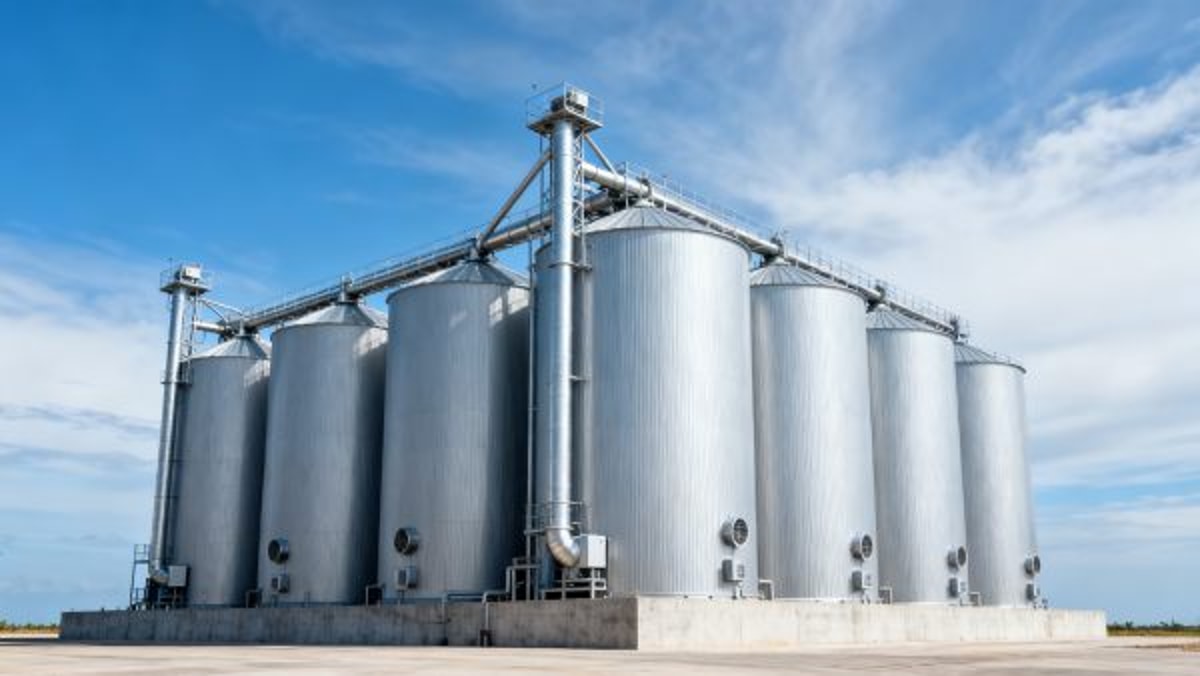
On 2 May 2026, the Food and Agriculture Organization of the United Nations (FAO) released its updated Global Prequalified List for Grain Storage Infrastructure, adding six Chinese grain silo and storage equipment manufacturers. This development is particularly relevant for stakeholders in agricultural infrastructure procurement, international development contracting, post-harvest technology supply chains, and tropical climate adaptation engineering.
Event Overview
On 2 May 2026, FAO published the latest edition of its Global Prequalified List for Grain Storage Infrastructure. Six manufacturers headquartered in China were newly included. The listed entities supply steel plate silos, intelligent ventilation systems, and pest- and temperature-control modules. All six underwent verification against FAO’s dual certification requirement (ISO 22000 and ISO 55001) and demonstrated structural integrity for 20 years under tropical high-humidity conditions. The list serves as a reference for FAO-affiliated procurement, including by the World Food Programme (WFP) and national food security infrastructure projects—especially in Africa.
Industries Affected
International Development Contractors & Implementing Partners
These organizations frequently bid on WFP or FAO-funded grain storage tenders. Inclusion of Chinese suppliers on the prequalified list lowers technical eligibility barriers for consortia involving Chinese firms—and may accelerate proposal preparation where modular, certified components are required. Impact manifests in faster bid compliance, reduced third-party verification overhead, and tighter alignment with FAO’s environmental durability benchmarks.
Grain Storage Equipment Exporters & Distributors
Export-focused manufacturers and regional distributors now face revised qualification expectations when targeting FAO-aligned markets. The updated list raises the de facto technical baseline: products must support 20-year service life validation under tropical humidity, not just standard corrosion resistance. This affects product documentation, testing protocols, and after-sales warranty structuring.
Post-Harvest Technology Integrators
Firms integrating ventilation, monitoring, and pest management subsystems into turnkey grain storage solutions must now verify compatibility with FAO-prequalified hardware. Selection of non-listed components—even if functionally equivalent—may trigger additional justification or delay approval in FAO-supervised projects.
Agricultural Infrastructure Procurement Agencies (e.g., National Grain Boards)
In countries relying on FAO/WFP co-financing, procurement rules often mandate sourcing from the prequalified list. The addition expands available vendor options—but also introduces new due diligence requirements around verifying that delivered systems meet the stated 20-year tropical performance claim, including installation supervision and commissioning evidence.
What Stakeholders Should Monitor & Act On
Track official FAO guidance on implementation timelines and scope limitations
The list applies to FAO- and WFP-managed procurements; however, adoption by individual African governments or regional bodies remains discretionary. Stakeholders should monitor country-level procurement notices for explicit references to the 2 May 2026 list version—and whether grandfathering clauses apply to earlier prequalification cycles.
Verify technical documentation alignment with tropical service-life claims
FAO’s 20-year requirement is tied to specific accelerated aging tests under high humidity. Suppliers and integrators must ensure test reports, material certifications, and maintenance manuals explicitly reference this condition—not generic “long-life” or “corrosion-resistant” language. Mismatches risk rejection during technical evaluation.
Distinguish between prequalification status and actual tender eligibility
Prequalification does not guarantee award. Bidders still require project-specific financial capacity, local presence, and proven track record. Companies should assess whether their current portfolio meets FAO’s minimum past-project thresholds (e.g., ≥2 completed silo installations ≥5,000 MT capacity in humid climates) before pursuing bids.
Prepare cross-functional readiness for rapid response to RFPs
With prequalification confirmed, response time to FAO/WFP invitations to bid becomes critical. Teams should pre-align engineering specifications, customs documentation templates, and bilingual technical submittals—including ventilation airflow schematics and thermal load calculations validated for ≥85% RH environments.
Editorial Observation / Industry Perspective
Observably, this update signals a formalization—not an expansion—of existing technical expectations. FAO has long emphasized durability in humid climates, but the 2026 list makes compliance demonstrable and auditable through mandatory dual certification and standardized lifetime validation. Analysis shows the move strengthens procurement discipline rather than opening new market access per se. It is better understood as a tightening of quality governance than a liberalization of supplier entry. Continued attention is warranted because future updates may extend these requirements to digital monitoring interoperability (e.g., FAO’s AgriData Exchange standards) or carbon footprint disclosure for materials.
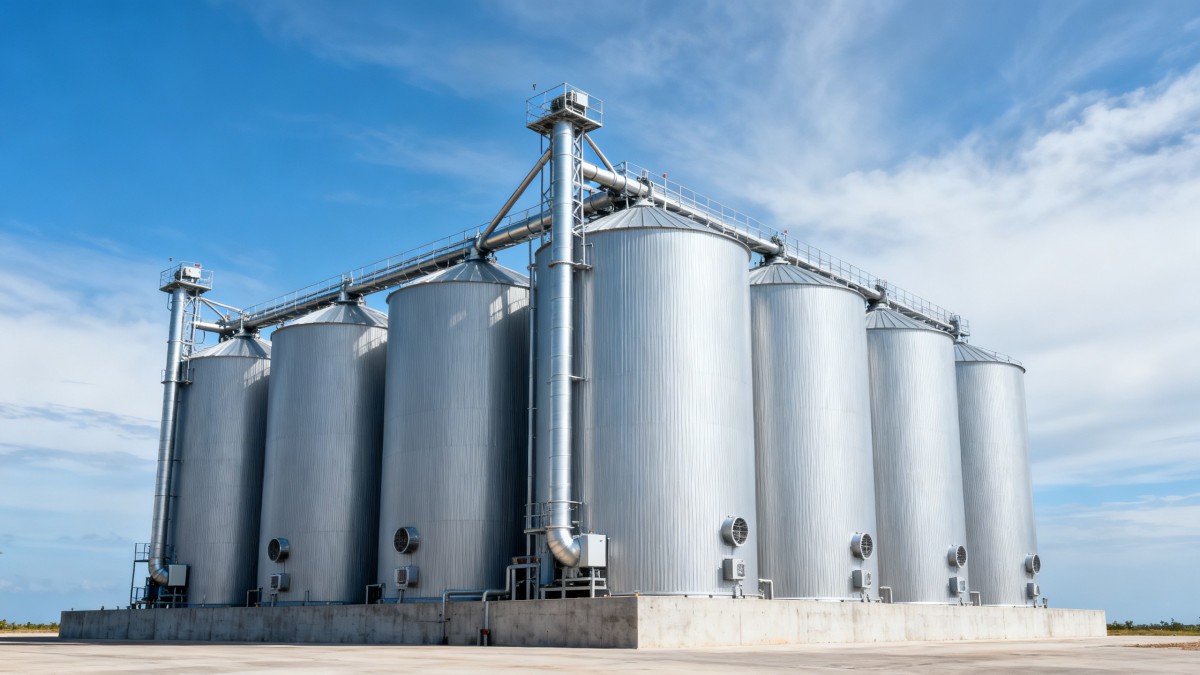
This update reflects FAO’s increasing emphasis on lifecycle accountability in food security infrastructure. For industry participants, it reinforces that technical compliance is no longer a one-time certification exercise—but a continuous, evidence-based commitment aligned to operational environment realities. Current understanding should treat this as a procedural milestone with concrete implications for tendering, documentation, and system integration—not as a broad market-opening event.
Source: Food and Agriculture Organization of the United Nations (FAO), Global Prequalified List for Grain Storage Infrastructure, published 2 May 2026.
Note: Future list revisions, country-level adoption status, and applicability to non-WFP FAO programs remain under observation.
Related Intelligence
- Grain Silos & StorageFAO Updates Global Grain Silos Prequalified List: 6 Chinese Firms AddedFAO updates global grain silos prequalified list—6 Chinese firms added. Key for agri-infrastructure buyers, exporters & integrators targeting FAO/WFP tenders in tropical regions.
- Grain Silos & StorageFAO Adds 6 Chinese Grain Silo Makers to Global White ListFAO Adds 6 Chinese Grain Silo Makers to Global White List — Boosting export opportunities for steel silos & smart ventilation systems in Africa and Latin America.
- Grain Silos & StorageFAO Adds 6 Chinese Grain Silo Makers to Global White ListFAO Adds 6 Chinese Grain Silo Makers to Global White List — Boost your international tenders with FAO-recognized, climate-tested grain storage solutions.
The Morning Broadsheet
Daily chemical briefings, market shifts, and peer-reviewed summaries delivered to your terminal.
