
FAO Adds 6 Chinese Grain Silo Makers to 2026 Global List
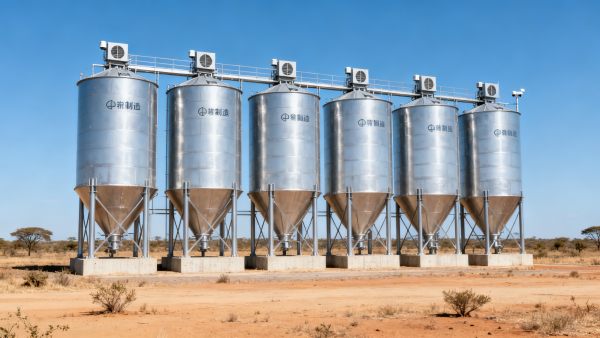
On April 25, 2026, the Food and Agriculture Organization of the United Nations (FAO) updated its Global Recommended List of Grain Silos & Storage Facilities, adding six Chinese manufacturers of steel grain silos and intelligent aeration systems. This update signals relevance for grain infrastructure exporters, agricultural equipment suppliers, international development contractors, and public-sector procurement agencies engaged in food security projects—particularly those active in Africa and Latin America.
Event Overview
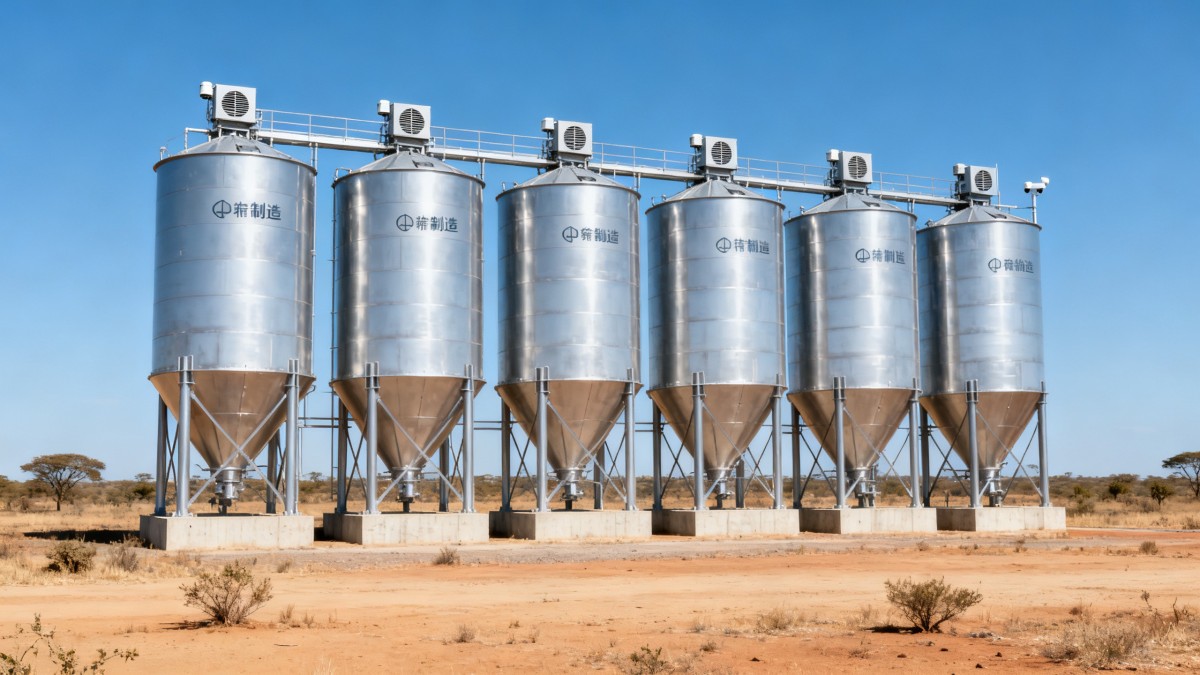
The FAO published the 2026 edition of its Global Recommended List of Grain Silos & Storage Facilities on April 25, 2026. Six Chinese manufacturers of grain steel silos and smart ventilation systems were newly included. All six have obtained dual certification against ISO 22000 (food safety management) and ISO 55001 (asset management), and completed three years of on-site grain condition monitoring verification. These manufacturers are now eligible for priority participation in FAO-funded grain infrastructure projects in Africa and Latin America, and their delivery timelines are formally endorsed by FAO procurement teams.
Which Subsectors Are Affected
Grain Infrastructure Exporters
These firms directly supply storage systems to international development or humanitarian programs. The inclusion expands their eligibility for FAO-backed tenders, especially where compliance with FAO’s technical and operational standards is mandatory. Impact manifests in bidding advantage, reduced prequalification friction, and stronger credibility when engaging with multilateral project implementers.
Agricultural Equipment Suppliers (OEM/ODM Partners)
Suppliers providing components—including sensors, control units, or structural steel—to the six listed manufacturers may see increased order volume or tighter integration requirements. The FAO endorsement raises expectations for traceability, documentation, and third-party audit readiness across upstream tiers—not just at the final assembly level.
International Development Contractors & Implementing Partners
Contractors managing FAO-funded grain storage construction or rehabilitation projects (e.g., in Malawi, Honduras, or Senegal) now have a vetted shortlist of suppliers whose delivery performance is backed by FAO. This affects procurement planning, risk allocation in subcontracts, and reporting requirements related to asset lifecycle management under ISO 55001-aligned frameworks.
Public-Sector Procurement Agencies (in Importing Countries)
National grain boards or ministries of agriculture sourcing storage infrastructure may reference this list during domestic tender design. While not binding, the FAO listing serves as a de facto benchmark for technical due diligence—potentially shifting evaluation weight toward certified lifecycle assurance and real-world grain monitoring evidence, rather than specifications alone.
What Relevant Enterprises or Practitioners Should Focus On Now
Monitor FAO’s official tender notices and country-level implementation plans
Eligibility does not guarantee award. Firms should track FAO’s Project Portal and regional office announcements for upcoming calls—especially those referencing ‘grain storage rehabilitation’, ‘post-harvest loss reduction’, or ‘climate-resilient infrastructure’—as these are most likely to draw from the updated list.
Verify alignment between internal documentation and FAO-ISO dual-certification scope
Manufacturers not yet listed—but pursuing future inclusion—should confirm whether their existing ISO 22000 and ISO 55001 certifications explicitly cover grain silo design, installation supervision, and post-delivery grain condition monitoring (not just factory production). Gaps here may delay future application.
Distinguish between FAO endorsement and national regulatory approval
The listing supports bid competitiveness but does not replace country-specific import licensing, phytosanitary requirements, or local building code compliance. Exporters must still secure parallel approvals—and cannot assume FAO validation substitutes for them.
Prepare for enhanced reporting obligations in FAO-linked contracts
Given the emphasis on 3-year grain monitoring data, successful bidders should expect contractual clauses requiring periodic reporting on temperature/moisture logs, pest incidence, and structural integrity assessments. Internal data collection protocols and digital log systems may need upgrading ahead of contract signing.
Editorial Observation / Industry Perspective
From an industry perspective, this update is best understood not as a broad market-opening event, but as a targeted signal of FAO’s increasing emphasis on verifiable, long-term asset performance—not just initial compliance. Analysis来看, the requirement for three years of real-world grain condition monitoring reflects a shift toward outcome-based procurement in food security infrastructure. Observation来看, the dual ISO certification mandate suggests FAO is aligning its supplier vetting more closely with global industrial asset management standards, potentially raising the bar for future applicants beyond technical capacity to include operational discipline and data governance. Current more appropriate interpretation is that this functions primarily as a procurement streamlining mechanism for FAO itself—rather than an immediate demand catalyst—meaning impact will unfold gradually through project pipelines over 2026–2027.
Conclusion
This FAO listing update does not represent a sudden expansion of global market access, nor does it override national procurement rules or technical regulations. It is a procedural refinement within FAO’s own sourcing framework—one that rewards sustained operational rigor over one-time certification. For stakeholders, the value lies less in immediate commercial opportunity and more in understanding how multilateral institutions are evolving their criteria for infrastructure resilience and accountability. Currently, it is more accurate to view this as a benchmark-setting step than a market-shifting event.
Source Attribution
Main source: Food and Agriculture Organization of the United Nations (FAO), Global Recommended List of Grain Silos & Storage Facilities, 2026 Edition (published April 25, 2026).
Points requiring ongoing observation: Actual tender volumes awarded to newly listed manufacturers; adoption of the list by non-FAO donors (e.g., World Bank, African Development Bank); potential expansion of monitoring requirements in future editions beyond three years.
Related Intelligence
- Grain Silos & StorageFAO Adds 6 Chinese Grain Silo Makers to 2026 Global ListFAO adds 6 Chinese grain silo makers to its 2026 Global Recommended List—boosting credibility for exporters, OEMs & contractors in Africa/Latin America.
- Grain Silos & StorageHow to pick a grain pre cleaner machine?Grain pre cleaner machine selection guide for better grain and feed processing. Compare gravity separator grain, grain destoner machine, feed grading sieve, and more to boost efficiency.
- Grain Silos & StorageFeed & Grain Storage: What Actually Cuts Loss in 2026?Feed & Grain storage in 2026: learn how GMP Chemicals, GMP equipment, and Agri Supply Chain visibility cut loss, protect Bioactive Ingredients and Pharma Raw Materials, and improve ROI.
The Morning Broadsheet
Daily chemical briefings, market shifts, and peer-reviewed summaries delivered to your terminal.
