
Wheat flour milling plant planning starts with more than output targets
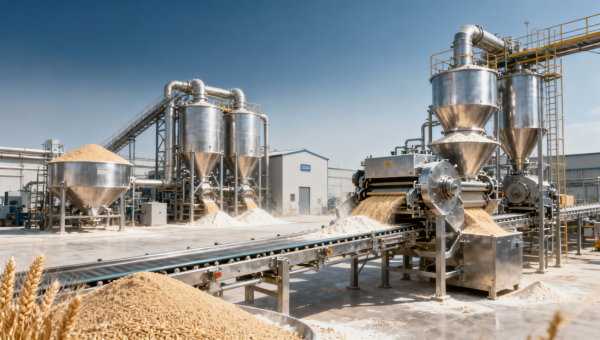
Effective wheat flour milling plant planning begins long before output targets are set. For buyers, engineers, and plant operators comparing commercial flour mill machinery with adjacent investments such as coffee processing machinery, seed oil expeller wholesale systems, or parboiled rice mill plant lines, success depends on layout logic, raw material flow, energy use, compliance, and lifecycle cost. This guide outlines the critical factors that shape a reliable, scalable milling project.
In practice, a flour milling project is rarely defined by tons per day alone. A plant designed for 80 TPD, 150 TPD, or 300 TPD can fail commercially if wheat intake is unstable, utility loads are underestimated, or sanitation design creates downtime that erodes margins. That is why serious planning starts with process mapping, quality targets, operator workflow, and long-term maintenance strategy.
For procurement teams, the real question is not only which flour mill machinery to buy, but how the full system will perform over 5 to 15 years. For technical evaluators, the concern is whether cleaning, tempering, grinding, sifting, packing, and dust control are aligned with product specification and local compliance. For decision-makers, the focus is return on capital, expansion flexibility, and supply risk management.
Start with process objectives, not nominal capacity
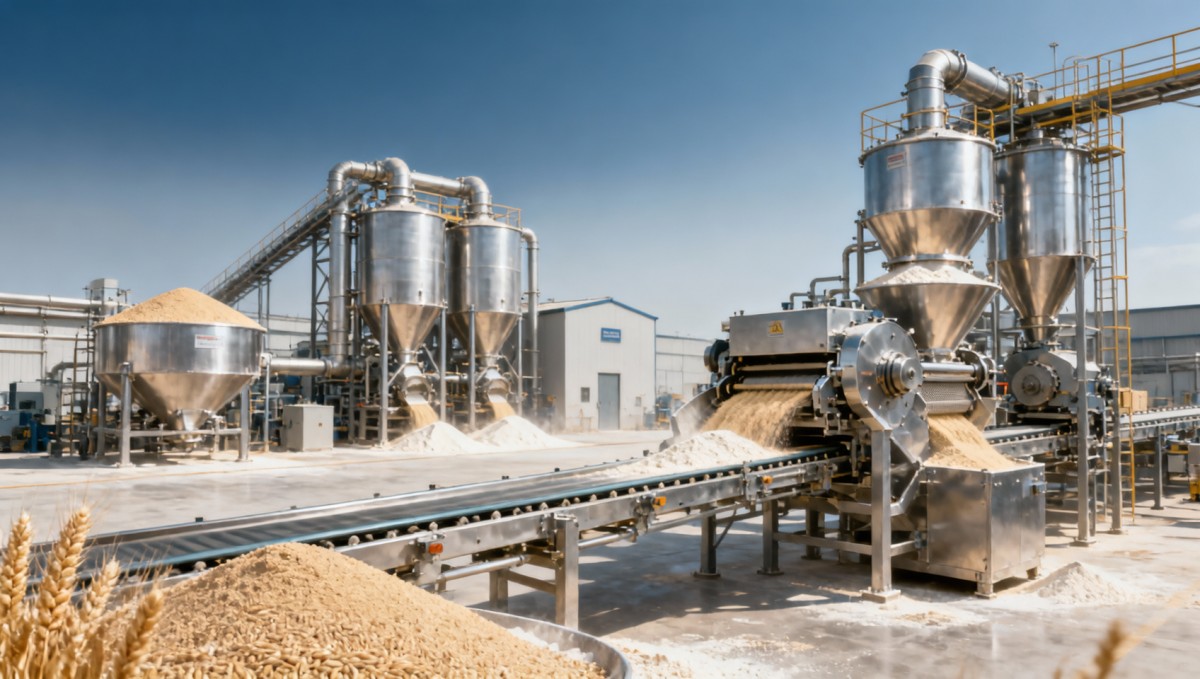
A wheat flour milling plant should first be defined by product mix and performance targets. A line producing bakery flour, all-purpose flour, and bran for feed use requires a different configuration than a plant focused on one standardized flour grade. Ash content range, extraction rate, granulation consistency, and moisture control all influence machinery selection and building layout.
Many projects begin with a headline figure such as 100 tons per day, but this can be misleading. A 100 TPD plant operating in 2 shifts of 8 hours needs a different feed balance than a plant running 20 to 22 hours per day. Effective capacity should account for planned stops, cleaning cycles, product changeovers, and seasonal variation in wheat quality. A practical planning margin of 10% to 15% is often safer than sizing every system to exact nominal throughput.
Technical teams should establish at least 4 baseline questions before requesting quotations. These include incoming wheat characteristics, target flour grades, expected extraction percentage, and acceptable energy consumption per ton. Without these inputs, even accurate machinery quotations may not support a viable milling operation.
Key planning variables to define early
Early planning should cover process, site, and business assumptions together. In feed and grain processing, these assumptions affect not only machine count but also elevator sizing, pneumatic conveying loads, aspiration volume, and finished goods storage.
- Target output range: for example 50 TPD, 120 TPD, or 250 TPD, with clear daily and hourly assumptions.
- Wheat moisture and cleaning burden: high impurity lots may require more robust pre-cleaning and stone removal.
- Product portfolio: 1 main flour grade versus 3 to 5 differentiated grades changes blending and packing design.
- Utility availability: stable power supply, compressed air, water for sanitation, and backup generation strategy.
- Labor model: 6 operators per shift versus 12 operators per shift affects automation priorities.
Plants that ignore these variables often experience bottlenecks outside the grinding section. Intake pit congestion, poor wheat blending control, and undersized finished product bins are common examples. In many cases, those issues cause more lost output than the roller mills themselves.
Typical project framing matrix
The table below shows how planning focus changes by plant scale. It helps procurement and engineering teams compare capacity targets with operational complexity.
The main takeaway is that larger capacity does not simply mean larger machines. It usually requires more disciplined material handling, tighter quality control loops, and stronger maintenance planning. A well-framed project brief reduces redesign risk during the quotation and civil design phases.
Layout logic determines flow stability, hygiene, and expansion potential
Plant layout is one of the most underestimated cost drivers in commercial flour mill planning. A poor arrangement can increase conveying distance by 15% to 30%, add unnecessary transfer points, and complicate sanitation. In feed and grain processing, every extra transfer introduces another place for dust accumulation, mechanical wear, and cross-contamination risk.
A strong layout starts with one-direction material flow: intake, cleaning, tempering, milling, sifting, blending, packing, and dispatch. Service access should be considered at the same time. Roller mills need safe front and rear access, sifters need clearance for inspection, and aspiration lines must remain accessible for maintenance. If a team only fits machines into a building footprint after purchase, operational efficiency usually suffers.
For operators and safety managers, zoning matters. Raw grain areas, finished flour areas, bran handling, electrical rooms, and bagging sections should not overlap unnecessarily. In many facilities, a minimum 1.2 to 1.5 meter maintenance passage is advisable around critical machines, while forklift and pallet movement areas need wider routes depending on bag size and dispatch volume.
Common layout mistakes in milling projects
- Placing wheat storage too far from cleaning lines, causing repeated conveying and elevated power use.
- Insufficient tempering bin volume, which shortens conditioning time and weakens flour consistency.
- No dedicated maintenance access for sifters, elevators, and dust filters, leading to longer downtime.
- Combining flour packing and raw material traffic in the same corridor, increasing hygiene and safety risk.
- Leaving no reserved footprint for a second line, extra bins, or future automation upgrades.
These issues are not limited to flour mills. Buyers evaluating coffee processing machinery or parboiled rice mill plant systems face similar constraints. The lesson across primary processing is consistent: a workable layout protects both product quality and operating cost.
Space planning guide by process section
Before civil works are finalized, teams should map each process zone and define whether the plant must support manual handling, semi-automatic packing, or fully integrated dispatch. The following table provides a practical planning view.
The strongest designs also leave room for growth. Reserving even 10% to 20% additional utility and layout capacity can make future upgrades far less disruptive than retrofitting a fully constrained building after commissioning.
Utility loads, automation level, and compliance shape total cost
The purchase price of flour mill machinery is only one part of capital evaluation. Over a 5-year to 10-year operating horizon, electricity use, compressed air demand, spare parts turnover, sanitation labor, and downtime often become the larger economic factors. This is particularly important for finance approvers comparing flour milling with seed oil expeller wholesale systems or other processing assets where power and wear profiles differ significantly.
A typical commercial flour milling plant may include motors across cleaning, conveying, grinding, sifting, aspiration, and packing. Depending on size and automation level, installed power can range from below 100 kW for compact plants to several hundred kW for larger lines. Actual consumption depends on load balancing, machine efficiency, and how often the line runs below rated throughput. Underloaded systems can be as uneconomic as overloaded ones.
Automation should be selected according to labor stability, quality control needs, and service capability. Full automation is not automatically superior if local teams lack troubleshooting support. In many cases, semi-automated control with clear alarms, accessible sensors, and robust manual override offers the best balance between reliability and training burden.
Compliance and safety checkpoints
Food-grade processing facilities must also consider sanitation and dust management from the beginning. Dust extraction, explosion risk mitigation, cleanable contact surfaces, and pest control planning are not optional extras. Quality teams generally assess at least 6 categories during project review: raw material control, traceability, hygienic design, operator safety, cleaning protocol, and finished product handling.
- Confirm whether food-contact surfaces are suitable for routine dry cleaning and scheduled wet sanitation where applicable.
- Verify dust collection points across intake, grinding, sifting, and bagging sections.
- Check access for inspection and sample collection at each critical process step.
- Review electrical segregation, lockout procedures, and emergency stop placement.
- Assess documentation readiness for audits, maintenance records, and batch traceability.
When these basics are addressed at planning stage, the plant is easier to commission, safer to operate, and less costly to audit. If they are deferred until installation, correction costs rise quickly because ducts, platforms, cable trays, and machine spacing may already be fixed.
Cost evaluation beyond machine price
Procurement teams should compare proposals on total operating impact, not only on initial quotation. The matrix below can be used during supplier review meetings.
A proposal with a higher equipment price may still offer better economics if wear life is longer, sanitation access is faster, and controls reduce product loss. That is why lifecycle costing should be a mandatory step in flour milling plant planning.
Procurement, commissioning, and operator readiness reduce project risk
The best plant concept can still underperform if procurement and start-up are poorly managed. In most milling projects, lead time involves 3 linked phases: engineering confirmation, manufacturing and shipment, then installation and commissioning. Depending on scope, this can range from 8 to 24 weeks or more. Buyers should therefore align machinery decisions with civil works, power readiness, and raw material supply planning from day one.
A disciplined procurement process should compare suppliers on technical scope clarity, spare parts lists, documentation, and after-sales responsiveness. Distributor and agent networks may be important in some regions, but direct manufacturer engineering support can be equally critical for larger projects. What matters most is whether the supplier can support pre-installation checks, commissioning logic, and early production stabilization.
Operator training is often underestimated, especially when a plant introduces automated tempering, blending, or packing systems. Even a reliable line can lose 3% to 8% of effective productivity in the first months if operators do not understand adjustment logic, cleaning routines, and fault response procedures. Training should therefore be written into the project plan rather than treated as an optional extra.
Recommended implementation sequence
- Define product specification, throughput basis, and wheat quality assumptions.
- Freeze process flow and utility requirements before finalizing civil layouts.
- Review supplier quotations against maintenance access, spare parts, and documentation scope.
- Prepare site power, foundations, ventilation, and material handling routes before delivery.
- Commission in stages: dry run, material run, calibration, trial production, then handover.
Each stage should include acceptance criteria. For example, trial production may review feed stability, flour uniformity, dust performance, packing accuracy, and cleaning access over a 24-hour to 72-hour window. That approach gives technical evaluators and quality managers a more realistic picture than a short demonstration run.
FAQ for buyers and plant teams
The questions below reflect common search intent from procurement teams, operators, and investors evaluating a wheat flour milling plant.
How do I choose between compact and modular flour mill machinery?
Compact systems usually suit 30 to 80 TPD projects with limited building space and smaller operator teams. Modular systems are often better for 100 TPD and above, especially where phased expansion, multiple flour grades, or future bin additions are expected. The decision should be based on product complexity and expansion horizon, not only current budget.
What is a realistic commissioning timeline?
For a standard commercial project, onsite installation and commissioning may take 2 to 6 weeks depending on civil readiness, machine count, and local labor coordination. Delays usually come from incomplete utilities, unprepared foundations, or missing consumables for trial runs rather than from the core milling machines alone.
Which indicators matter most during procurement review?
At minimum, review 5 indicators: actual process scope, energy profile, wear parts availability, sanitation access, and commissioning support. If flour quality consistency is critical, also assess tempering control, sifter accessibility, and process monitoring points.
How much spare parts coverage should be planned initially?
A practical starting package often covers 6 to 12 months of normal wear components, depending on operating hours and local logistics. Critical consumables should be separated from long-life parts so finance teams can budget them accurately instead of overbuying low-risk inventory.
Wheat flour milling plant planning is strongest when throughput goals are treated as one part of a larger operating system. Product targets, layout logic, utility planning, hygiene, maintenance access, and supplier support all influence whether a project delivers stable production and acceptable cost per ton. For mills intended to serve industrial bakeries, regional distributors, or integrated agri-processing groups, these planning details are often what separate scalable assets from expensive bottlenecks.
If you are evaluating commercial flour mill machinery or comparing it with adjacent processing investments, a structured technical review will save time and reduce procurement risk. Contact us to discuss your plant objectives, request a tailored process layout, or get a more detailed equipment selection roadmap for your next milling project.
Related Intelligence
- Milling MachinerySABIC Cuts PP-Homo Price by 12%: Impact on Milling Machinery Export PartsSABIC cuts PP-Homo price by 12% — key impact on milling machinery export parts, feed pellet mill housings & protective covers. Cost relief for Chinese OEMs & suppliers.
- Milling MachineryParboiled rice mill plant layout mistakes that slow daily productionParboiled rice mill plant layout mistakes can cut daily output and raise costs. Learn practical fixes, workflow tips, and insights relevant to coffee processing machinery and wheat flour milling plant planning.
- Milling MachineryWheat flour milling plant planning starts with more than output targetsWheat flour milling plant planning goes beyond output targets. Compare commercial flour mill machinery, coffee processing machinery, and parboiled rice mill plant solutions for smarter layout, cost, and growth.
The Morning Broadsheet
Daily chemical briefings, market shifts, and peer-reviewed summaries delivered to your terminal.
