
Is Used Commercial Flour Mill Machinery Worth the Savings?
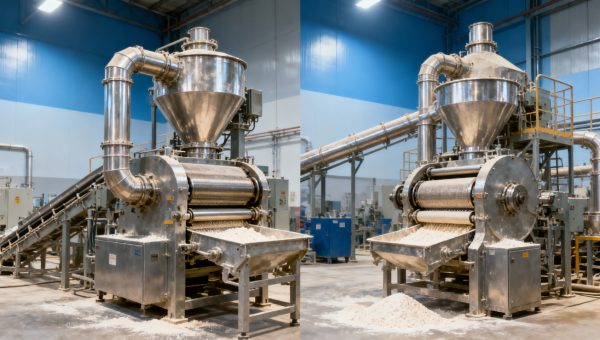
For buyers weighing cost against reliability, used commercial flour mill machinery can look like a smart shortcut—but is it truly worth the savings? From a wheat flour milling plant upgrade to broader grain-processing investments like rice milling machines wholesale, parboiled rice mill plant systems, or even sunflower oil press machine lines, the right decision depends on output, compliance, maintenance, and long-term ROI.
In feed and grain processing, second-hand equipment can reduce upfront capital by 20% to 50%, but the purchase price is only one part of the equation. Operators, technical evaluators, project managers, and finance teams must also assess uptime, sanitation design, spare parts availability, utility consumption, and whether the line can still meet modern food safety and production targets.
For institutional buyers and industrial processors, the key question is not simply whether used commercial flour mill machinery is cheaper. The better question is whether the total lifecycle cost over 3 to 7 years remains competitive after refurbishment, transport, installation, training, and expected maintenance are included.
When Used Flour Mill Machinery Makes Financial Sense
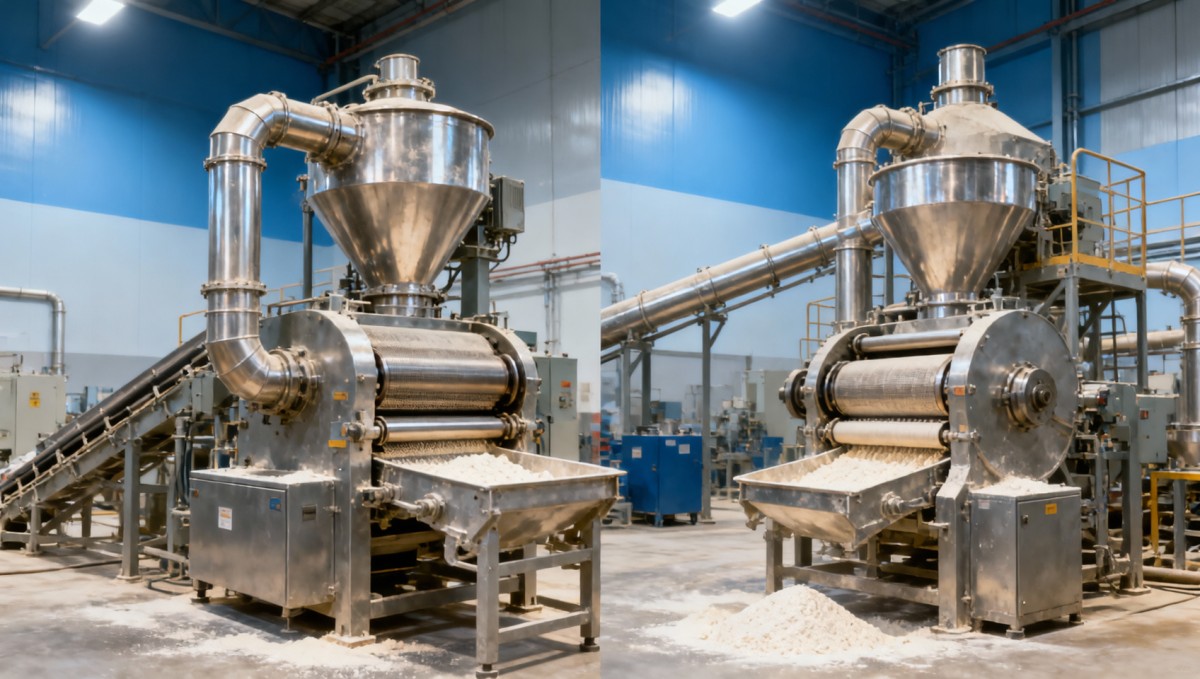
Used commercial flour mill machinery is often most attractive in three scenarios: capacity expansion, pilot-scale regional processing, and replacement of a failed unit where speed matters more than customization. In these cases, a second-hand roller mill, plansifter, purifier, or pneumatic conveying section may shorten project lead time from 16–24 weeks to as little as 4–8 weeks, depending on refurbishment scope and freight routes.
The economics become stronger when the existing plant already has compatible utilities. If the site power supply, air system, dust collection, and floor loading can support the incoming line with less than 10% to 15% infrastructure modification, buyers may avoid a major civil or electrical redesign. That can materially improve payback, especially for processors targeting moderate outputs such as 20–80 tons per day.
However, lower purchase price does not automatically mean lower total cost. A used machine that needs new bearings, rolls, sieves, motors, sensors, or control upgrades can quickly erode the initial discount. In practical terms, a machine bought at 35% below the cost of new equipment may lose that advantage if refurbishment reaches 15% to 25% of replacement value and unplanned downtime rises above 3% to 5% of scheduled production hours.
For business evaluators, the most useful comparison is a total-cost model rather than a quotation comparison. That model should include acquisition, inspection, dismantling, inland transport, ocean freight if applicable, reassembly, recommissioning, operator training, spare parts stock, and the expected maintenance burden during the first 12 months.
Typical decision conditions
- Capacity gap under 100 tons per day where a fully customized new line is not essential.
- Project schedule under 3 months, making shorter equipment availability a priority.
- Budget constraints that require phased investment over 2 or 3 capital cycles.
- Markets where product specification is standard flour rather than premium specialty flours with tighter granulometry control.
The table below helps procurement teams compare where used equipment tends to perform well and where new equipment still offers a stronger business case.
The main takeaway is clear: used commercial flour mill machinery is most compelling when the buyer can control retrofit scope, verify operating condition, and deploy into a site with compatible utilities. It is less attractive when the project requires high automation, stringent hygiene redesign, or guaranteed uptime from day one.
Technical Risks That Can Cancel the Savings
Technical due diligence is where many grain-processing investments succeed or fail. In older flour mill equipment, the most common risk areas are roll wear, frame fatigue, damaged sieve channels, misaligned shafts, outdated electrical cabinets, and insufficient dust control. Even one overlooked issue can create bottlenecks that reduce effective throughput by 8% to 20%.
Sanitation and safety are equally important. A machine built 10 to 20 years ago may still operate mechanically, but it may not match current expectations for cleanability, guarding, access points, or contamination prevention. Quality control teams should inspect product-contact surfaces, rust, paint flaking, dead zones, and seal conditions, especially in milling sections handling food-grade wheat, maize, or rice.
Control systems deserve separate review. Legacy PLC platforms, relay-based panels, or discontinued HMI units may increase maintenance time and spare-part risk. If replacement components have lead times of 6–10 weeks, a small electrical failure can stop an otherwise functional line. That is why technical assessment should cover both the mechanical package and the automation ecosystem.
In mixed processing environments, compatibility also matters. A buyer considering used flour machinery alongside rice milling machines wholesale, a parboiled rice mill plant, or a sunflower oil press machine line must check whether shared conveyors, dust extraction, aspiration, and utility loads can coexist without process interference or hygiene cross-risk.
Core inspection checklist before purchase
- Run-condition verification: confirm vibration, temperature rise, noise, and motor current under load for at least 30–60 minutes.
- Wear-part audit: inspect rolls, screens, belts, seals, bearings, and filters, and estimate 6-month replacement demand.
- Structure and hygiene review: check corrosion, weld repairs, product-contact integrity, and cleanout accessibility.
- Control and documentation review: verify schematics, I/O lists, manuals, and availability of programming backups.
- Compliance alignment: confirm emergency stops, guarding, dust management, and local installation code compatibility.
The following matrix can help technical and safety teams prioritize risks before approving acquisition.
If a seller cannot support a live test, maintenance records, or serial-based parts identification, the buyer should assume higher technical uncertainty and build a contingency reserve. In many industrial projects, setting aside 8% to 12% of equipment value for corrective work is a prudent starting point.
How to Evaluate ROI Beyond the Sticker Price
A sound investment review should compare used commercial flour mill machinery against a new-equipment alternative on at least four metrics: output, quality consistency, operating cost, and serviceability. A low-cost line that produces frequent flour variation, requires more labor, or consumes more power can become expensive over time, especially in multi-shift operations running 16–20 hours per day.
For finance approvers, the most practical calculation is a 36- to 60-month ownership model. Include direct capital cost, refurbishment, installation, commissioning, utilities, labor, maintenance hours, and expected parts replacement. Then compare that figure against revenue protected by uptime and yield. Even a 1.5% improvement in flour extraction or a 2% reduction in product loss can materially alter payback in medium-volume plants.
Commercial teams should also consider resale value and strategic flexibility. A standardized used machine from a widely supported OEM may retain better secondary-market value than a heavily modified, niche configuration. Conversely, a new line may provide stronger long-term flexibility if the business plans to add automation, traceability, recipe management, or remote diagnostics within the next 2 to 4 years.
This is particularly relevant for processors managing broader grain portfolios. A site that may later integrate a parboiled rice mill plant or sunflower oil press machine line should avoid equipment choices that lock the facility into incompatible power ratings, control architecture, or dust-management design.
A practical ROI framework
1. Acquisition and readiness cost
Add purchase, inspection travel, dismantling, freight, customs if relevant, rigging, and startup support. Many buyers underestimate readiness cost by 10% to 18% when they focus only on the machine invoice.
2. Production value
Estimate net tons per day, extraction yield, reject rate, and planned operating hours. A machine capable of stable operation at 95% of target capacity may outperform a cheaper line that nominally meets capacity but suffers frequent stop-start losses.
3. Service burden
Quantify preventive maintenance hours per month, emergency repair frequency, and the value of spare parts inventory. If annual maintenance is expected to exceed 6% to 8% of equipment value, the used option deserves closer scrutiny.
The best procurement decisions are rarely based on acquisition price alone. They are based on cost per ton processed, quality stability, and risk-adjusted uptime over the equipment’s actual operating life.
Selection Standards for Procurement, QA, and Operations Teams
Cross-functional review is essential because each stakeholder sees a different risk. Operations teams focus on usability and downtime. QA and safety personnel focus on contamination control, guarding, and documentation. Finance evaluates budget exposure. Project managers look at installation sequence, utilities, and commissioning windows. A strong purchase decision aligns all four perspectives before purchase approval.
For most grain-processing facilities, the first screening criteria should be throughput match, product specification match, and supportability. There is little value in buying a low-cost used machine if it only performs well under raw material conditions that differ from your actual wheat, maize, or rice profile. Grain hardness, moisture range, and impurity load can all affect real-world performance.
Documentation is another major filter. Buyers should request layout drawings, motor lists, spare-part references, service history, and any available commissioning records. If documentation is incomplete, the cost of reverse engineering during installation can delay startup by 1 to 3 weeks and increase contractor dependence.
A disciplined supplier review process also helps distributors and agents reduce post-sale disputes. Clear statements on machine age, refurbishment scope, excluded components, test status, and warranty terms create a more bankable transaction and a smoother handover to end users.
Recommended selection criteria
- Age and service history: equipment with traceable maintenance records is generally lower risk than undocumented stock.
- Refurbishment scope: define what has been replaced, what has only been cleaned, and what remains original.
- OEM and parts access: confirm whether bearings, screens, rolls, sensors, and control components are still obtainable within 7–21 days.
- Installation fit: verify foundation points, access paths, ducting, electrical rating, and dust-control interface.
- Acceptance criteria: agree on test standards such as vibration, throughput, product fineness, and no-load versus loaded power readings.
The decision table below provides a simple procurement framework for comparing used and new options under typical industrial conditions.
If your facility has strong maintenance capability and realistic production targets, used commercial flour mill machinery can be commercially sensible. If uptime guarantees, digital integration, and stricter audit readiness are non-negotiable, new equipment may justify the higher capex.
Implementation, Maintenance, and Frequently Asked Questions
Even a well-bought machine can underperform if the implementation phase is rushed. A realistic plan should allow 3 to 5 stages: pre-shipment inspection, dismantling and logistics, site preparation, mechanical and electrical installation, and performance validation. For a mid-sized line, commissioning may take 5–14 days depending on control complexity and operator readiness.
Maintenance planning should begin before startup. Buyers should stock critical wear and failure items for at least the first 6 months, especially belts, bearings, seals, filter media, sensors, and contactors. In plants running two shifts, preventive inspection every 250–500 operating hours is a practical baseline, with lubrication and vibration review built into the schedule.
Training is another overlooked factor. A second-hand line often includes operational differences that are not obvious from visual inspection alone. A 1- to 2-day commissioning session may be enough for startup, but supervisors and maintenance personnel usually need deeper troubleshooting guidance to prevent recurring stoppages and uneven flour quality.
For distributors, OEM partners, and industrial buyers publishing or researching through technical channels such as AgriChem Chronicle, the most valuable insight is this: the right used asset is not just a cheaper machine. It is a verified, supportable production unit with a known operating envelope and a manageable risk profile.
FAQ
How much can buyers typically save on used commercial flour mill machinery?
A common purchase-price saving range is 20% to 50% compared with new equipment, but net savings may narrow after refurbishment, shipping, and commissioning. The most reliable savings are achieved when the machine needs limited retrofit and spare parts remain easy to source.
What types of facilities are best suited to used equipment?
Used systems are often suitable for regional flour mills, expansion projects, backup capacity installations, or diversified grain sites adding secondary processing. They are especially practical where throughput targets are moderate and the maintenance team is experienced with mechanical troubleshooting.
What should quality and safety teams inspect first?
They should prioritize product-contact surfaces, cleanability, seals, rust, guarding, emergency stops, dust management, and any evidence of prior contamination or incomplete repair. These factors affect both product integrity and acceptance during internal audits.
How long does it usually take to put a used milling line into operation?
If the equipment is in stock and site utilities are ready, a basic project may move from purchase to operation in 4–10 weeks. More complex lines requiring rewiring, control upgrades, or layout modification can extend beyond 12 weeks.
Used commercial flour mill machinery can absolutely be worth the savings, but only when buyers evaluate it as a production asset rather than a bargain purchase. The strongest outcomes come from disciplined inspection, realistic ROI modeling, compatibility checks, and a maintenance plan that begins before the machine is switched on.
If you are comparing a wheat flour milling plant upgrade with alternative investments such as rice milling machines wholesale, a parboiled rice mill plant, or a sunflower oil press machine line, a structured technical-commercial review will reveal where second-hand equipment creates value and where it adds hidden risk. To discuss your processing scenario, request a tailored evaluation, get product details, or explore more grain-processing solutions with a decision framework built for real industrial procurement.
Related Intelligence
- Milling MachineryWhy After Sales Terms Matter in Rice Milling Machines WholesaleRice milling machines wholesale success depends on after-sales terms. Compare support, warranty, and spares for parboiled rice mill plant and commercial flour mill machinery before you buy.
- Milling MachineryRice Milling Machines Wholesale: What Changes at Larger Order VolumesRice milling machines wholesale guide: learn how larger orders affect pricing, QA, lead times, and support across parboiled rice mill plant, commercial flour mill machinery, and more.
- Milling MachineryHow to Spot Steam and Drying Bottlenecks in a Parboiled Rice Mill PlantParboiled rice mill plant guide: spot steam and drying bottlenecks, improve throughput, and compare rice milling machines wholesale for better quality and lower operating cost.
The Morning Broadsheet
Daily chemical briefings, market shifts, and peer-reviewed summaries delivered to your terminal.
