

The Authority in Global Agricultural Chemistry & Bio-Resources
Industrial milling bottlenecks that reduce output without warning
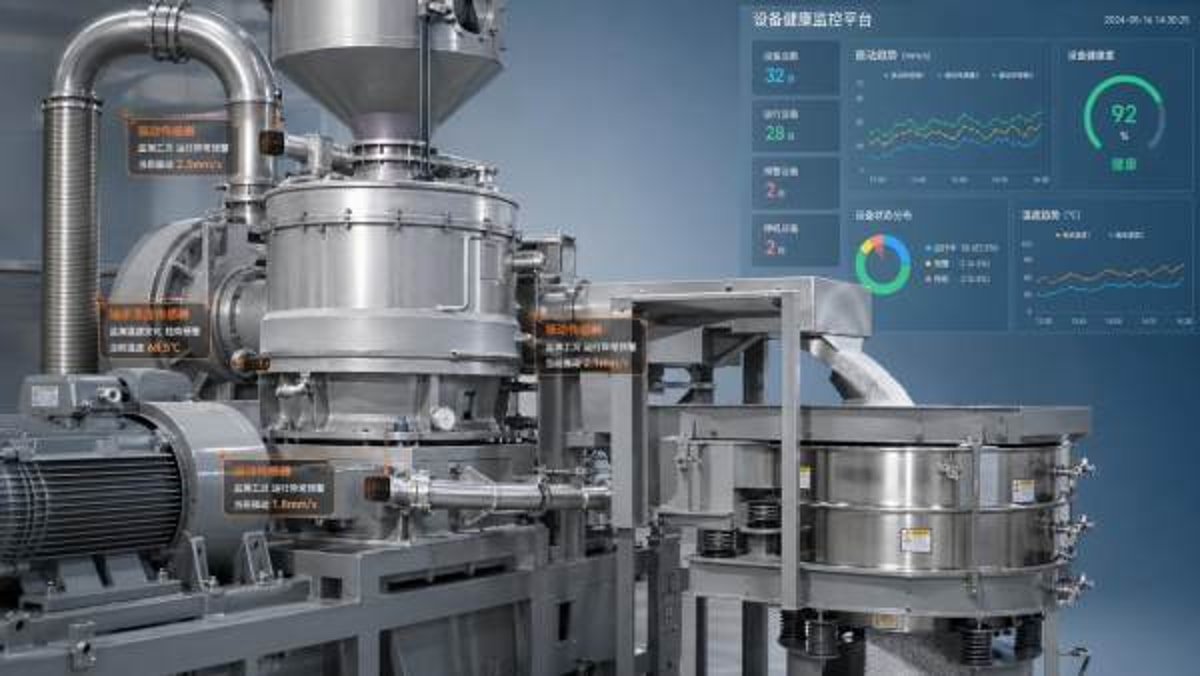
In industrial milling, output losses rarely begin with a major breakdown—they often start with subtle vibration shifts, uneven feed flow, rising heat, or unnoticed wear. For after-sales maintenance teams, identifying these hidden bottlenecks early is critical to protecting throughput, product consistency, and equipment life. This article examines the warning signs that commonly go undetected and explains how targeted maintenance action can prevent costly production setbacks.
Why bottlenecks look different across industrial milling scenarios
Not every industrial milling line loses output for the same reason. A feed and grain processor may see capacity drift because moisture variation changes the way material moves through rollers or screens. A fine chemical plant may face a different risk: microscopic contamination, thermal sensitivity, or particle size inconsistency that forces operators to slow the line long before a stoppage occurs. In both cases, the visible symptom is lower output, but the maintenance response must be adapted to the operating scenario.
For after-sales maintenance personnel, this difference matters because service priorities are shaped by production objectives. Some plants optimize for volume, others for uniformity, sanitation, traceability, or strict regulatory compliance. That means hidden industrial milling bottlenecks should not be judged by a single checklist alone. The right question is not only “What failed?” but also “In which application context is this warning sign appearing, and what business risk does it create?”
When maintenance teams understand scenario-specific risks, they can move from reactive repair to output protection. This is especially important in multi-sector environments such as grain processing, bio-ingredients, agricultural raw material preparation, and chemical intermediates, where the same mill architecture may behave differently depending on throughput, feedstock variability, cleanliness requirements, and downstream process sensitivity.
Common business settings where industrial milling output declines without warning
Industrial milling bottlenecks often emerge in recurring field scenarios. After-sales teams that can classify the situation quickly are more likely to prevent escalation. The table below compares common application settings and what maintenance staff should watch first.
The practical takeaway is clear: industrial milling maintenance is never only about replacing worn parts. It is about understanding how wear, flow, temperature, contamination, and control deviations interact inside a specific production environment. The sooner the scenario is identified, the faster the team can isolate the real output limiter.
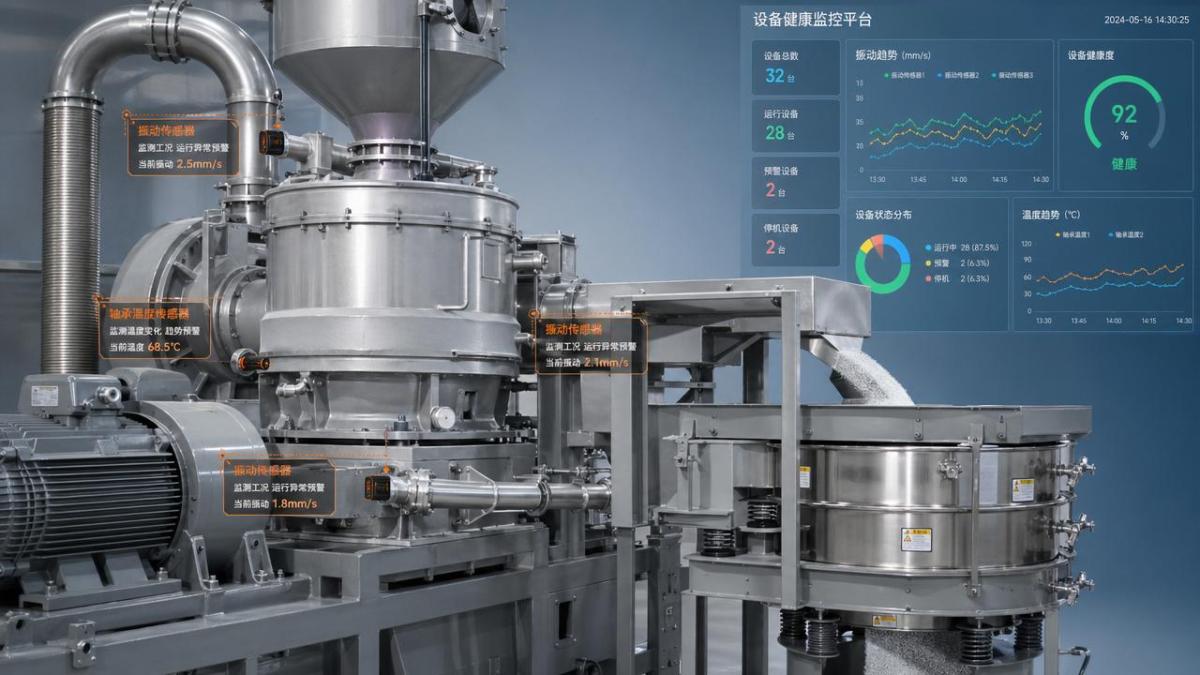
Scenario 1: High-volume plants where small flow issues become major capacity losses
In large-volume milling operations, the most dangerous bottlenecks are often the least dramatic. A feeder drifting out of calibration by a small percentage, a partially blinded screen, or an air handling imbalance may not trigger alarms. However, over a full shift, these issues can significantly reduce tons per hour. In feed mills, grain handling centers, and bulk agricultural processors, this type of hidden loss is common because the line is expected to run continuously under varying raw material conditions.
After-sales maintenance teams in this scenario should prioritize trend-based observation instead of waiting for fault codes. Useful field signals include rising motor current at stable load targets, longer residence time inside the chamber, more recirculating material, and inconsistent discharge texture. If operators compensate by reducing feed speed, the plant may appear stable while actual industrial milling output is already underperforming.
A suitable service approach here includes feeder verification, liner and hammer wear measurement, inspection of aspiration channels, and review of upstream conditioning consistency. The bottleneck may sit outside the mill itself, especially where material preparation, dosing, or conveying no longer matches the design assumptions of the equipment.
Scenario 2: Quality-sensitive production where output drops to protect specification
In fine chemicals, APIs, and specialty ingredients, operators often reduce throughput intentionally when subtle instability appears. This creates a hidden industrial milling bottleneck that is easy to misread. The machine may still run, but the line is no longer operating at its economic target because the team is protecting particle size distribution, thermal integrity, or contamination control.
For after-sales maintenance staff, the important question is whether lower output is a control decision caused by early equipment deterioration. Common triggers include bearing heat transfer into the product zone, seal aging, micro-vibration affecting cut consistency, or internal surface wear that increases hold-up and cleaning time. In regulated environments, even minor irregularity can lead to slower operation, more frequent validation checks, or batch quarantine.
This scenario demands a more disciplined maintenance strategy. Teams should document thermal patterns, verify shaft alignment, inspect sanitary contact surfaces, and compare actual cleaning times against historical baselines. If clean-in-place or manual cleaning cycles are getting longer, the underlying bottleneck may be product accumulation caused by worn geometry or poor internal flow behavior. In such plants, preserving confidence in the industrial milling process is as important as preserving mechanical uptime.
Scenario 3: Variable raw materials that make the same mill behave differently every week
Many primary processing operations do not handle a uniform feedstock. Moisture, density, oil content, fiber length, or impurity level can change by shipment, season, or supplier. In these settings, industrial milling bottlenecks may appear intermittent, which makes diagnosis more difficult for service teams. Operators may report that “the machine runs well sometimes,” even though the problem is actually a mismatch between maintenance condition and material variability.
This is common in grain, biomass, botanical extracts, and mixed agricultural inputs. A screen configuration that works for one lot may clog on another. A rotor balance that seems acceptable under dry material may become problematic when sticky or high-fat material enters the system. If maintenance teams treat every visit as a fixed-equipment issue, they may miss the real interaction between wear state and feedstock properties.
The best fit approach is to build scenario records: what material was processed, at what moisture range, at what feed rate, under which tool condition. This helps identify whether the industrial milling bottleneck is universal or conditional. It also supports better spare part planning, because some sites do not need a generic preventive interval; they need wear schedules linked to raw material classes.
How maintenance priorities change by operating context
After-sales teams often use the same inspection routine across customers, but output protection improves when checks are matched to plant context. The comparison below shows how demand differences shape maintenance actions.
Frequent misjudgments that delay the real fix
One common mistake is treating lower output as an operator issue before checking whether the machine has developed subtle resistance. Another is replacing high-wear parts without reviewing whether the new parts are wearing abnormally because of upstream flow problems. In industrial milling, symptoms often travel across the system: poor feeding can look like rotor weakness, and air leakage can look like product behavior.
A second misjudgment is relying only on emergency maintenance triggers. Many bottlenecks never become full failures because production teams keep compensating. They slow down feed, increase cleaning frequency, accept broader particle variation, or schedule extra stops. This masks the problem in maintenance records while increasing the total cost of operation.
A third issue is using generic preventive intervals across very different applications. A mill processing abrasive mineral-rich agricultural material should not be serviced by the same logic as a unit handling heat-sensitive fine ingredients. Scenario fit should decide inspection depth, spare strategy, and data collection frequency.
Practical fit recommendations for after-sales maintenance teams
To reduce hidden industrial milling losses, after-sales personnel should build service routines around operating reality rather than machine theory alone. First, classify the site by business goal: maximum throughput, strict specification, hygiene-driven changeover, or variable raw material handling. Second, define a short list of output-warning indicators for that scenario, such as vibration drift, amperage rise, heat increase, cleaning time expansion, or feed inconsistency.
Third, connect these indicators to clear service decisions. For example, if the site is bulk grain processing, prioritize feeder and screen performance before major mechanical teardown. If the site is specialty chemical milling, prioritize thermal, sealing, and contamination checks before adjusting production speed assumptions. If the site handles multiple botanical or agricultural materials, create a material-to-wear map so the customer can anticipate output-sensitive conditions earlier.
Finally, communicate in production language. Customers respond faster when maintenance findings are linked to business impact: lost tons per hour, increased batch rejection risk, longer sanitation windows, or reduced campaign length. That turns industrial milling service from a repair function into an operational reliability partnership.
FAQ for field teams dealing with industrial milling bottlenecks
Which early sign deserves the fastest response?
A trend change matters more than a single reading. If vibration, temperature, amperage, or cleaning time starts moving away from the normal pattern while output declines, the site is likely developing a hidden industrial milling restriction.
Can stable machine uptime still hide poor milling performance?
Yes. Many plants maintain uptime by running slower, cleaning more often, or accepting lower process efficiency. Uptime without throughput analysis can hide a meaningful bottleneck.
When should a customer consider process review instead of part replacement?
If new parts wear quickly, output remains unstable after routine maintenance, or the problem appears only with certain materials, the issue may involve feed conditions, airflow, controls, or product behavior rather than component life alone.
Next-step guidance for matching maintenance action to the right scenario
The most effective way to prevent unnoticed output loss in industrial milling is to evaluate the mill in the context of its actual duty. After-sales maintenance teams should not ask only whether the equipment is running, but whether it is running appropriately for the plant’s throughput target, product sensitivity, and raw material variability. That scenario-based view leads to faster diagnosis, better spare planning, and stronger customer trust.
If a site is showing unexplained throughput decline, inconsistent product size, rising heat, or frequent cleaning-related interruption, the next step is a structured assessment of the line by application scenario. By aligning service inspection with how the customer really uses industrial milling equipment, maintenance teams can uncover bottlenecks earlier and protect both production output and long-term asset value.
Related Intelligence
- Milling MachineryIndustrial milling bottlenecks that reduce output without warningIndustrial milling output can fall without warning due to vibration drift, heat, wear, or feed issues. Learn the hidden bottlenecks and maintenance actions that protect throughput.
- Milling MachineryHow to Choose a Horizontal Ribbon Blender for FeedHorizontal ribbon blender feed buying guide: compare vertical feed mixer machine options, animal feed mixers wholesale offers, and line fit for poultry, cattle, and floating fish feed plant projects.
- Milling MachineryWhy use a rotary drum sieve grain line?Why use a rotary drum sieve grain line? Discover how rotary drum sieve grain, grain pre cleaner machine, gravity separator grain, and magnetic separator for feed improve efficiency and quality.
The Morning Broadsheet
Daily chemical briefings, market shifts, and peer-reviewed summaries delivered to your terminal.
