
Robot palletizers for feed bags: When automation pays off fastest
How Robot Palletizers Transform Feed Bag Handling Operations
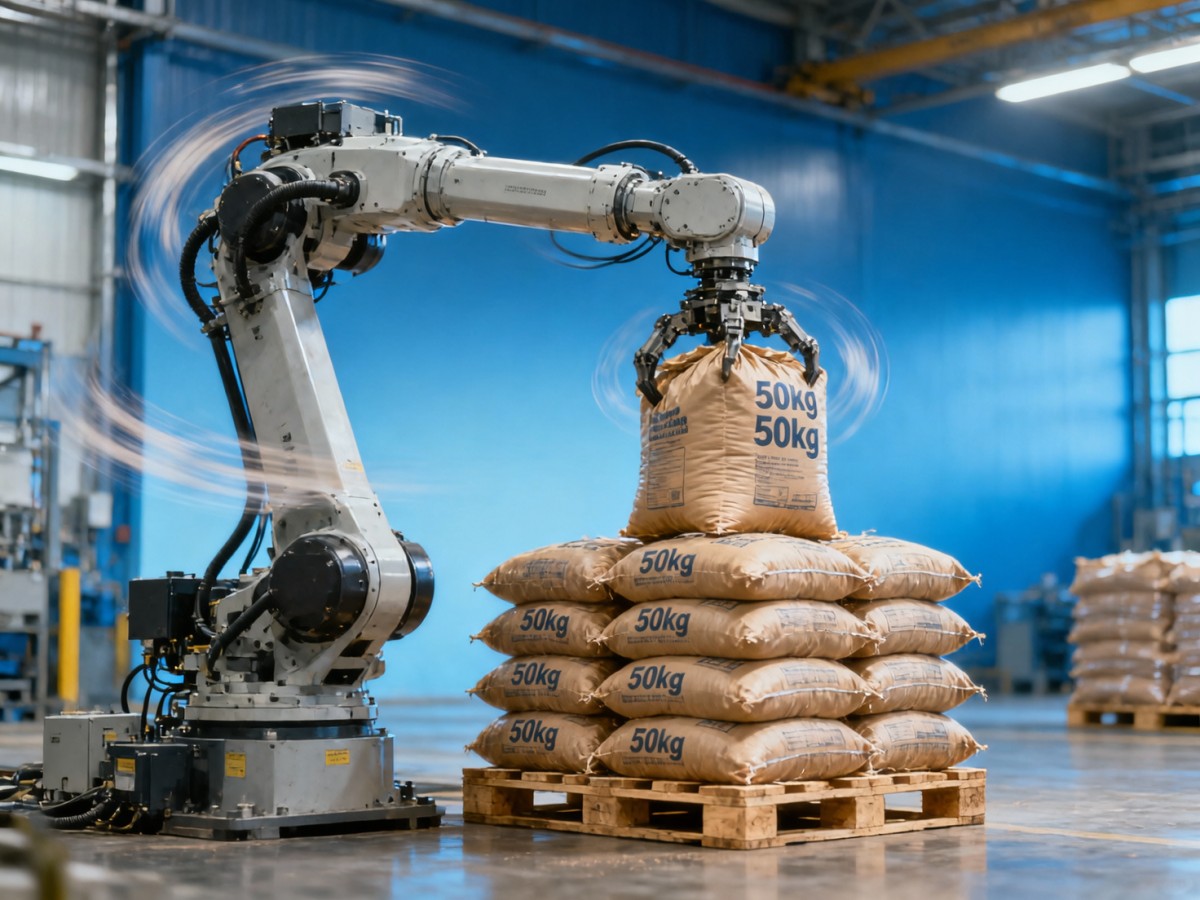
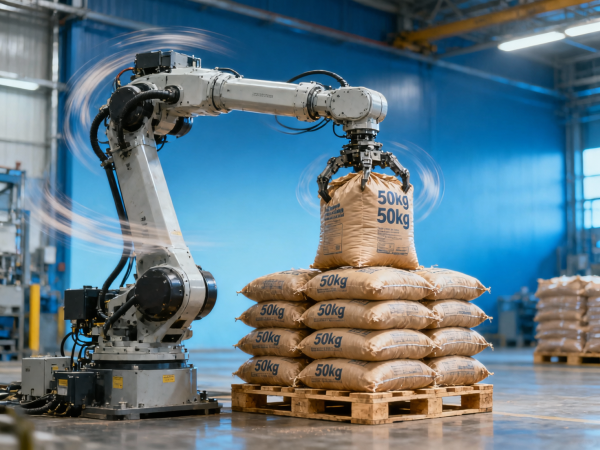
In the fast-paced world of feed production, robot palletizers for feed bags are revolutionizing efficiency and cost savings. As agricultural operations scale up, automation becomes the key differentiator—especially when handling 50kg bag packaging or managing high-volume feed bagging lines. This analysis explores when automated solutions like commercial flour mill plants and robot palletizers deliver the fastest ROI, offering crucial insights for agribusiness decision-makers evaluating equipment upgrades.
Key Scenarios Where Robot Palletizers Deliver Maximum ROI
Automated palletizing systems demonstrate their highest value in specific operational contexts. Feed mills processing over 5,000 metric tons monthly typically achieve payback periods under 18 months, while facilities handling 40-50kg bags see 30-50% labor reduction immediately. The most compelling use cases include:
High-moisture feed bags (12-18% humidity) particularly benefit from robotic handling, reducing product damage by 15-20% compared to manual stacking. Operations running 2-3 shifts daily gain additional advantages through consistent overnight palletizing without supervision.
Technical Specifications for Optimal Feed Bag Palletizing
Selecting the right robotic palletizer requires matching machine capabilities with operational parameters. Critical specifications include:
- Payload capacity: Minimum 60kg for standard 50kg feed bags with safety margin
- Cycle time: 8-12 bags/minute for typical feed operations
- Reach: 2,500-3,000mm to handle full pallet heights
- IP rating: IP54 minimum for dust protection in feed mills
Advanced systems incorporate vision-guided positioning that adapts to irregular bag shapes with ±2mm accuracy, crucial for maintaining stable pallets during transport. The most durable end-effectors use food-grade polyurethane with 500,000+ cycle lifespans.
Financial Analysis: Calculating Your Automation Payback Period
The economic case for robotic palletizers depends on three primary factors: labor costs, production volume, and equipment utilization. A typical mid-range system priced at $150,000-$200,000 shows these financial impacts:
Most operations achieve full ROI within 14-22 months when accounting for reduced workers' compensation claims (typically 30-40% lower) and 5-7% higher throughput from continuous operation.
Implementation Roadmap: From Assessment to Full Operation
Successful deployment follows these key phases:
- Workflow analysis (2-4 weeks): Document current bag handling patterns
- System specification (3-6 weeks): Match robot model to bag weights and speeds
- Site preparation (4-8 weeks): Modify flooring, power, and safety systems
- Commissioning (1-2 weeks): Test runs with gradual ramp-up
Maintenance and Safety Considerations
Modern robotic palletizers require surprisingly minimal maintenance—typically just 2-4 hours monthly for lubrication and inspection. Critical maintenance intervals include:
- Weekly: Check gripper wear and vacuum systems
- Monthly: Inspect gearboxes and servo motors
- Quarterly: Full system calibration
Safety systems must comply with ANSI/RIA R15.06 standards, featuring light curtains, emergency stops, and 360° access control. Properly implemented systems reduce palletizing-related injuries by 80-90% compared to manual operations.
Making the Automation Decision: Key Evaluation Factors
When assessing robotic palletizers for feed bag operations, prioritize these decision criteria:
- Production growth projections: Systems should accommodate 20-30% capacity increases
- Labor market conditions: Areas with high turnover see faster ROI
- Bag variability: Mixed SKU operations need advanced vision systems
- Future integration: Compatibility with warehouse management systems
Leading manufacturers now offer modular systems that can scale from 5 to 15 bags/minute as operations expand, protecting your automation investment for 7-10 years.
Conclusion: Strategic Automation for Competitive Advantage
Robot palletizers for feed bags represent one of agricultural processing's most immediately impactful automation investments. With typical payback periods under two years and ongoing labor savings of 60-70%, these systems provide both financial and operational benefits. The most successful implementations combine thorough needs analysis with careful equipment selection and phased implementation.
For feed producers evaluating automation options, robotic palletizing delivers measurable ROI fastest in high-volume, multi-shift operations handling 40-50kg bags. Contact our engineering team today for a customized assessment of your palletizing automation potential.
Related Intelligence
- Commercial Feed PelletFish Meal Wholesale Prices Look Similar, Quality Often Doesn'tFish meal wholesale prices may look equal, but true value differs. Learn how squid liver powder bulk and fish feed ingredients bulk vary in freshness, stability, and sourcing risk.
- Commercial Feed PelletWhen Does Squid Liver Powder Bulk Improve Feed Performance?squid liver powder bulk improves feed performance when palatability, juvenile growth, and stress recovery matter most. Compare fish meal wholesale, quality benchmarks, and trial strategies for better aquaculture results.
- Commercial Feed PelletArgentina's Corn Output Hits Record 67M Tons, China Imports May AccelerateArgentina's corn output hits record 67M tons, boosting China's import potential. Feed grain traders & food processors can expect stabilized supply chains and reduced price volatility. Key insights for strategic procurement.
The Morning Broadsheet
Daily chemical briefings, market shifts, and peer-reviewed summaries delivered to your terminal.
