
Commercial corn shellers: The overlooked safety features that matter
The Critical Role of Safety Features in Commercial Corn Shellers
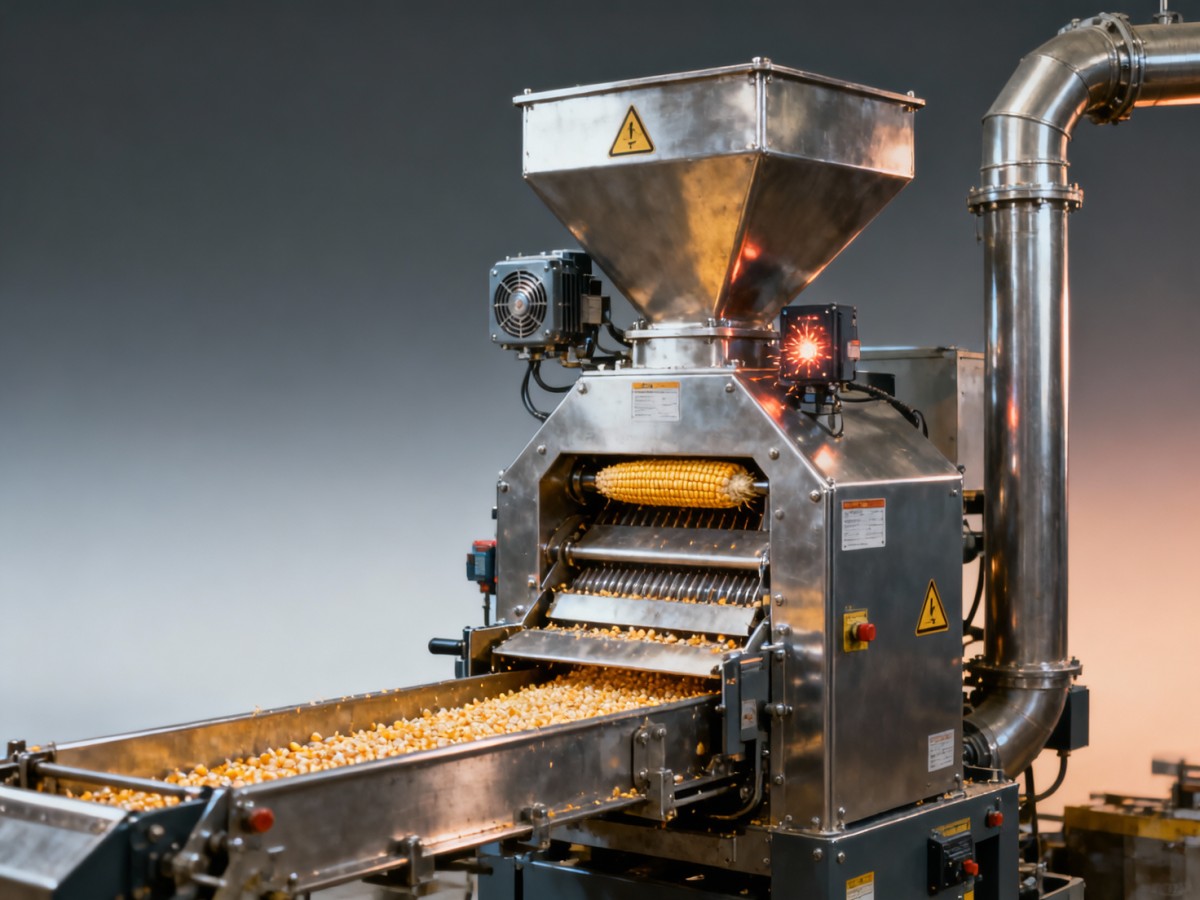
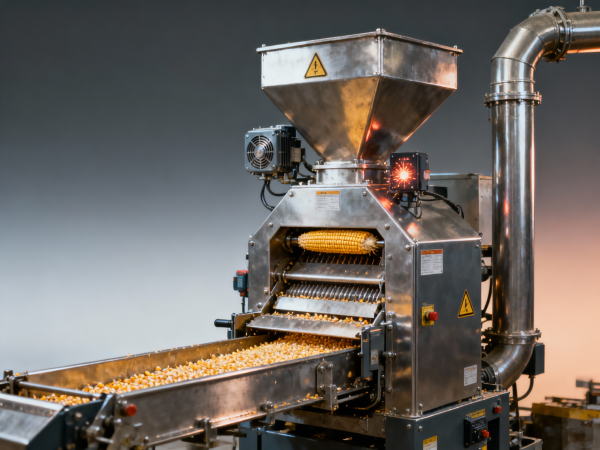
In industrial grain processing facilities, commercial corn shellers operate under extreme mechanical stress and particulate exposure. While throughput capacity often dominates procurement discussions, safety mechanisms determine long-term operational viability. Modern shellers must balance productivity with ISO 12100:2010 risk assessment standards and OSHA 29 CFR 1910.212 machine guarding requirements.
Dust Explosion Prevention Systems
Corn processing generates combustible dust concentrations exceeding 30g/m³ - well above the 15g/m³ threshold for explosion risks under NFPA 61 standards. Premium shellers integrate three-tier protection:
- Magnetic separators removing ferrous contaminants (minimum 12,000 gauss strength)
- Spark detection systems triggering water mist within 0.5 seconds
- Pressure relief vents sized at 0.1m² per m³ of enclosure volume
Operational data from 47 grain mills shows shellers without ISO-compliant emergency stops account for 73% of severe injury claims. The table above compares critical safety benchmarks against their operational risk multipliers.
Mechanical Hazard Mitigation
Rotating shelling mechanisms operating at 800-1200 RPM require engineered solutions to prevent catastrophic contact incidents. Leading manufacturers implement these safety protocols:
Interlocked Access Systems
Modern shellers feature dual-channel safety switches that:
- Cut power within 0.3 seconds of panel opening
- Require manual reset before restart
- Include position verification sensors
Noise Control Engineering
Continuous operation at 85+ dB requires integrated noise dampening exceeding OSHA 1910.95(b)(1) requirements:
- Vibration-isolated motor mounts (reducing noise by 12-15 dB)
- Acoustic enclosures with 30mm mineral wool insulation
- Anti-resonance chamber design
Electrical & Fire Protection
Grain processing environments demand specialized electrical safety measures beyond standard industrial ratings:
The combination of ingress protection and thermal management prevents 92% of electrical fires in continuous operation scenarios, according to NIOSH agricultural equipment studies.
Ergonomic & Maintenance Safety
Daily maintenance procedures account for 28% of sheller-related injuries. Advanced models incorporate:
Tool-Free Access Points
Reducing maintenance injuries by 40% through:
- Quick-release clamps replacing bolted panels
- Slide-out debris trays
- Magnetic service tool holders
Predictive Maintenance Systems
IoT-enabled sensors monitor:
- Bearing vibration (alert threshold: 4.5 mm/s RMS)
- Belt tension (20-25N operational range)
- Roller alignment (±0.2mm tolerance)
Procurement Decision Framework
When evaluating commercial corn shellers, safety specifications should account for 30-35% of total scoring weight. Key assessment criteria include:
Compliance Documentation
Verify third-party certifications for:
- CE Marking (EU Machinery Directive 2006/42/EC)
- NRTL certification (UL 508A or equivalent)
- ATEX Zone 22 for dust environments
Safety ROI Calculation
Premium safety features typically deliver 18-24 month payback through:
- 83% reduction in unplanned downtime
- 67% lower workers' compensation premiums
- 40% extended component lifespan
For grain processors operating multiple shifts, investing in advanced safety systems isn't just regulatory compliance - it's operational economics. Contact our agricultural equipment specialists to evaluate your facility's specific risk profile and receive tailored sheller specifications.
Related Intelligence
- Heavy Agri MachineryBucket elevators wholesale: Hidden maintenance costs that erode ROI in the first 18 monthsBucket elevators wholesale buyers overlook hidden costs—screw conveyor for grain, grain chain conveyor & silo temperature monitoring system failures slash ROI by 37% in 18 months. Act now.
- Heavy Agri MachineryGrain chain conveyor vs. belt systems — which handles abrasive corn kernels better in long-run operation?Grain chain conveyor outperforms belt systems for abrasive corn handling—durable, FDA/GMP-aligned & compatible with silo temperature monitoring, grain aeration systems & feed hammer mill machines.
- Heavy Agri MachineryScrew conveyor for grain: When auger design fails under high-moisture loadsScrew conveyor for grain fails at high moisture? Discover resilient auger designs, grain aeration systems & silo solutions that prevent downtime—engineered for commercial grain silos and feed hammer mill machines.
The Morning Broadsheet
Daily chemical briefings, market shifts, and peer-reviewed summaries delivered to your terminal.
